Azerbaijan Jails Journalist, Denies Medical Care
Azerbaijani authorities are refusing medical care to a jailed journalist with a serious breathing disorder
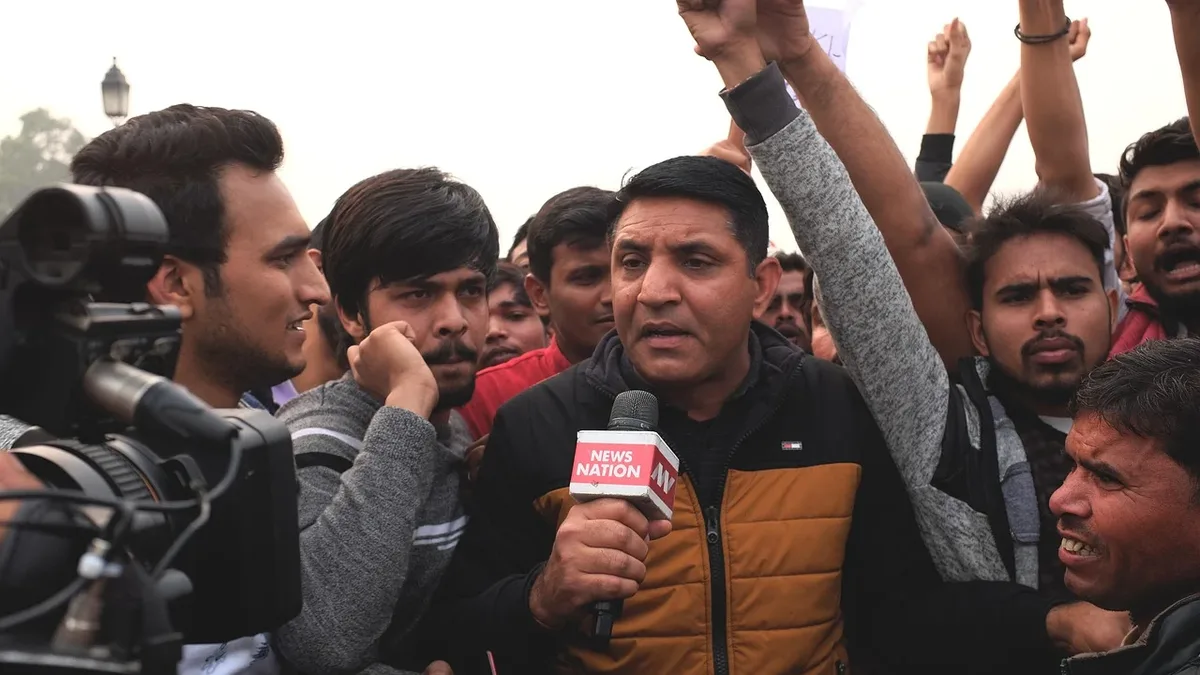
The Azerbaijani government is facing criticism for its treatment of jailed journalists, particularly Aytac Ahmadova, a 32-year-old reporter who has been denied medical care for her chronic breathing difficulties. Ahmadova, who writes under the name Aytac Tapdig, has been in pretrial detention since December 2024, and her family and lawyer claim that she is not receiving the medical attention she needs.
Background on the Case
Ahmadova was arrested along with five colleagues in raids that took place just days after Azerbaijan hosted the COP29 climate summit. She was initially charged with currency smuggling, and later faced additional financial crime charges. Her trial, which began in December 2025, has yet to reach a verdict, and she remains in detention alongside 11 other journalists and media workers.
Medical Neglect and Ill-Treatment
Tapdig's family and lawyer say that she has a nasal condition and chronic breathing difficulties, and that she has become dependent on nasal spray to manage her symptoms. Despite her lawyer's appeals to the Justice Ministry, Tapdig has been refused access to an ear, nose, and throat specialist, and has not received the results of earlier medical examinations. This denial of medical care may constitute ill-treatment, according to the United Nations Standard Minimum Rules for the Treatment of Prisoners.
International Obligations and Calls to Action
Azerbaijan is bound by international obligations to provide prisoners with healthcare equivalent to that available to regular citizens. The European Committee on the Prevention of Torture has consistently underscored the importance of providing adequate medical care to prisoners. Human Rights Watch has documented the cases of 25 journalists who have been targeted in the current crackdown on media freedoms, and is calling on the Azerbaijani authorities to provide Tapdig with immediate medical care, investigate the assault she suffered in February, and drop all charges against her and her colleagues. The European Union and the Council of Europe are also being urged to publicly press the Azerbaijani authorities on these cases.
The situation facing Tapdig and her colleagues is a stark illustration of the deteriorating conditions for journalists in Azerbaijan. The authorities' refusal to provide medical care, combined with the use of disciplinary action and travel bans, suggests a systematic effort to silence and intimidate journalists. As the international community continues to monitor the situation, it is clear that urgent action is needed to protect the rights of journalists and ensure that they are able to carry out their work without fear of persecution or ill-treatment.