Hong Kong Convictions Underline Campaign to Erase Chinese History
Amnesty International condemns convictions of Tiananmen vigil organizers under Hong Kong's National Security Law
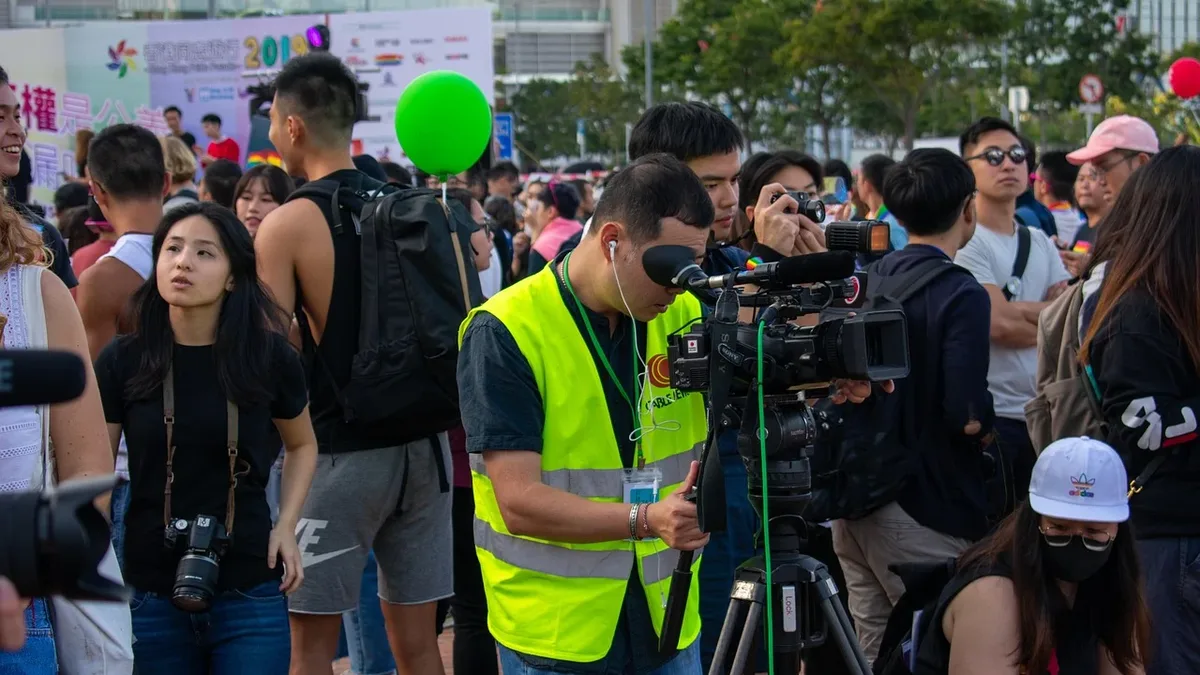
The convictions of activists who organized Tiananmen vigils in Hong Kong have been met with dismay by Amnesty International. According to Fernando Cheung, Amnesty International Hong Kong Overseas spokesperson, the verdict highlights how the National Security Law is being used to punish people for peacefully remembering the Tiananmen crackdown. This crackdown is considered one of the darkest chapters in recent Chinese history.
Background to the Convictions
The High Court in Hong Kong convicted Tiananmen activists Chow Hang-tung and Lee Cheuk-yan of inciting subversion of state power under the city's National Security Law. They face up to 10 years' imprisonment and will be sentenced at a later date. Both activists have been held in pre-trial detention since September 2021, after being repeatedly denied bail.
Amnesty International's Deputy Regional Director Sarah Brooks stated that Chow Hang-tung and Lee Cheuk-yan have not committed any recognizable crime and have been convicted solely for their role in organizing peaceful commemorations of the people killed by the Chinese authorities on 4 June 1989. Brooks emphasized that they are prisoners of conscience who should never have been prosecuted in the first place.
The National Security Law and Its Impact
The National Security Law, enacted in June 2020, has been used to target civil society groups, journalists, political activists, and academics for actions that are fully protected under international human rights law. Amnesty International has repeatedly raised concerns about the law's impact on human rights in Hong Kong. The law has effectively criminalized peaceful protest in the city, including Tiananmen commemorations.
Erasing History
The Tiananmen vigils commemorated the events of 4 June 1989, when Chinese troops opened fire on students and workers who had been peacefully protesting for political reforms in and around Beijing's Tiananmen Square. Hundreds, possibly thousands, of people were killed, and tens of thousands more were arrested across China in the suppression that followed. In the 37 years since the crackdown, all discussion of the incident has been heavily censored in China, and authorities have effectively erased it from their version of history. The following table summarizes the key facts about the Tiananmen vigils and the National Security Law:
| Category | Description | Status |
|---|---|---|
| Tiananmen Vigils | Annual commemorations in Hong Kong | Banned in 2020 and 2021 |
| National Security Law | Law enacted in June 2020 | Used to target civil society groups and peaceful protests |
| Chow Hang-tung and Lee Cheuk-yan | Tiananmen activists | Convicted of inciting subversion of state power |
| Prison Sentence | Potential sentence for Chow and Lee | Up to 10 years |