Un Human Rights Council
| First created | 2006 |
|---|---|
| Original use | To replace the United Nations Commission on Human Rights |
| Headquarters | United Nations Office at Geneva, Switzerland |
| Members | 47 |
| Term length | 3 years |
| Sessions per year | 3 regular sessions |
| Key mechanism | Universal Periodic Review (UPR) |
Origin and history
The United Nations Human Rights Council (UNHRC) is an intergovernmental body created by the United Nations General Assembly, with its headquarters located at the United Nations Office in Geneva, Switzerland. It was formally established on 15 March 2006, replacing the United Nations Commission on Human Rights which had been criticized for its ineffectiveness and the presence of members with poor human rights records. The decision to create a new body followed years of debate among member states about reforming the UN's human rights machinery. Its founding was mandated by UN General Assembly Resolution 60/251, which outlined its structure and purpose. The Council was designed to be a standing body that would meet regularly throughout the year, unlike its predecessor. Since its inception, the Council's membership and procedures have been periodically reviewed, with the first major review finalized in 2011.
What it is for
The core mission of the United Nations Human Rights Council is to promote universal respect for the protection of all human rights and fundamental freedoms for all. It serves as a forum for addressing both specific country situations and thematic human rights issues across the globe. A primary function is to investigate allegations of breaches of human rights in UN member states through various mechanisms, including special sessions and the work of independent experts known as special procedures. It oversees the Universal Periodic Review (UPR), a unique process through which the human rights records of all 193 UN member states are examined on a recurring cycle. The Council also works closely with the Office of the High Commissioner for Human Rights (OHCHR) to provide technical assistance and build capacity in member states. Furthermore, it engages with civil society and non-governmental organizations, allowing them to contribute information and participate in its sessions.
Pros and cons
A significant pro of the Council is its Universal Periodic Review mechanism, which subjects every UN member state to a peer-review process, creating a universal and theoretically equal system of scrutiny. The Council's ability to convene special sessions allows for a rapid, though political, response to emerging human rights crises anywhere in the world. It provides an essential global platform for victims, advocates, and experts to voice concerns and places sustained international attention on both chronic and acute human rights situations. A major con is the frequent election of member states with documented poor human rights records onto the Council itself, which can lead to political bloc voting and the shielding of violators from meaningful criticism. This politicization often results in an imbalanced focus, where some countries face disproportionate scrutiny while other severe situations are ignored due to geopolitical considerations. States and human rights organizations often regret engaging with the Council when their legitimate concerns are dismissed or sidelined by procedural maneuvers and political alliances, undermining the body's credibility.
Who it suits
This mechanism suits member states seeking a formal, multilateral platform to raise concerns about human rights situations in other countries, leveraging the authority of the UN system. It is particularly suited for smaller nations or those without significant unilateral diplomatic power, as it provides a structured channel to initiate international scrutiny. The Council suits human rights defenders, victims' groups, and non-governmental organizations that require an official UN venue to submit documentation and testimonies, as the UPR and special procedures offer defined avenues for civil society input. It is also a necessary forum for countries wishing to demonstrate compliance with international human rights norms by voluntarily participating in the UPR and engaging with special rapporteurs. However, the mechanism is less suited for achieving swift, binding action against powerful or politically protected violators, as its resolutions are generally not legally enforceable and depend on political consensus. Ultimately, it suits a process-oriented approach to human rights advocacy that values sustained dialogue and normative pressure over immediate coercive measures.
Latest Un Human Rights Council news
Latest reporting
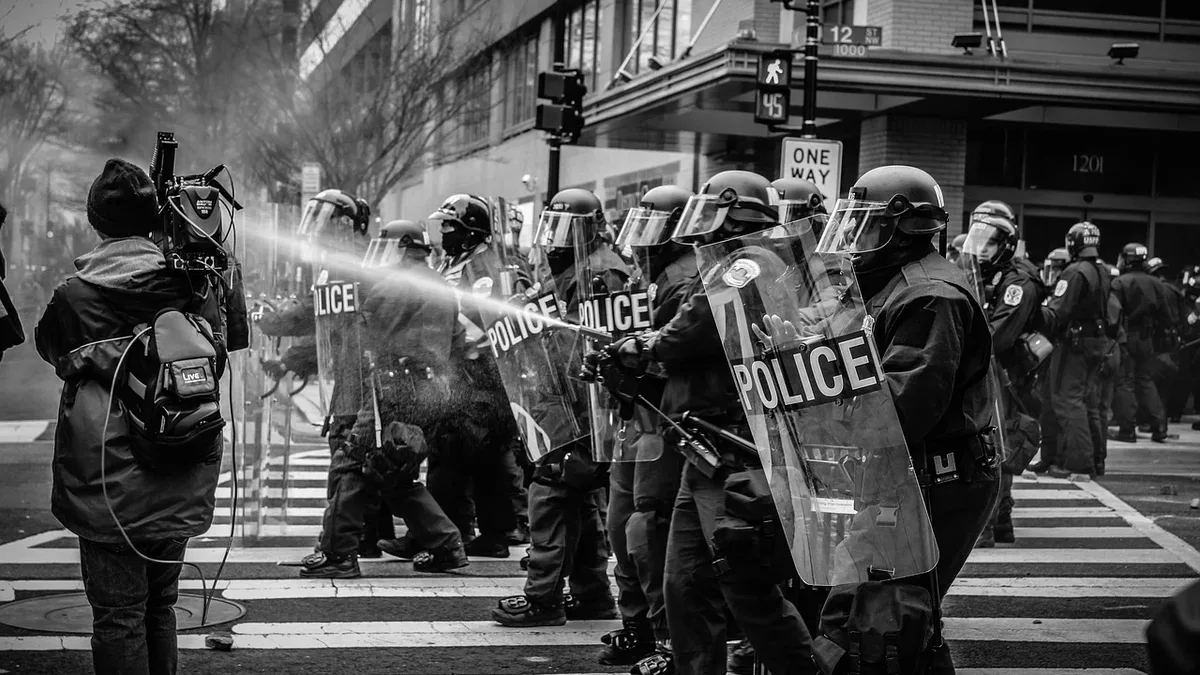
Indonesian Police Used Excessive Force at Yogyakarta Protests
Security forces in Yogyakarta used rubber bullets, tear gas, and water cannons against largely peaceful protests on November 10, 2026, detaining over...
Bahrain's Mass Trial of Shia Clerics Condemned Over Torture
Twenty human rights groups condemn Bahrain's mass trial of 60 Shia clerics, citing torture allegations and severe due process violations ahead of a...
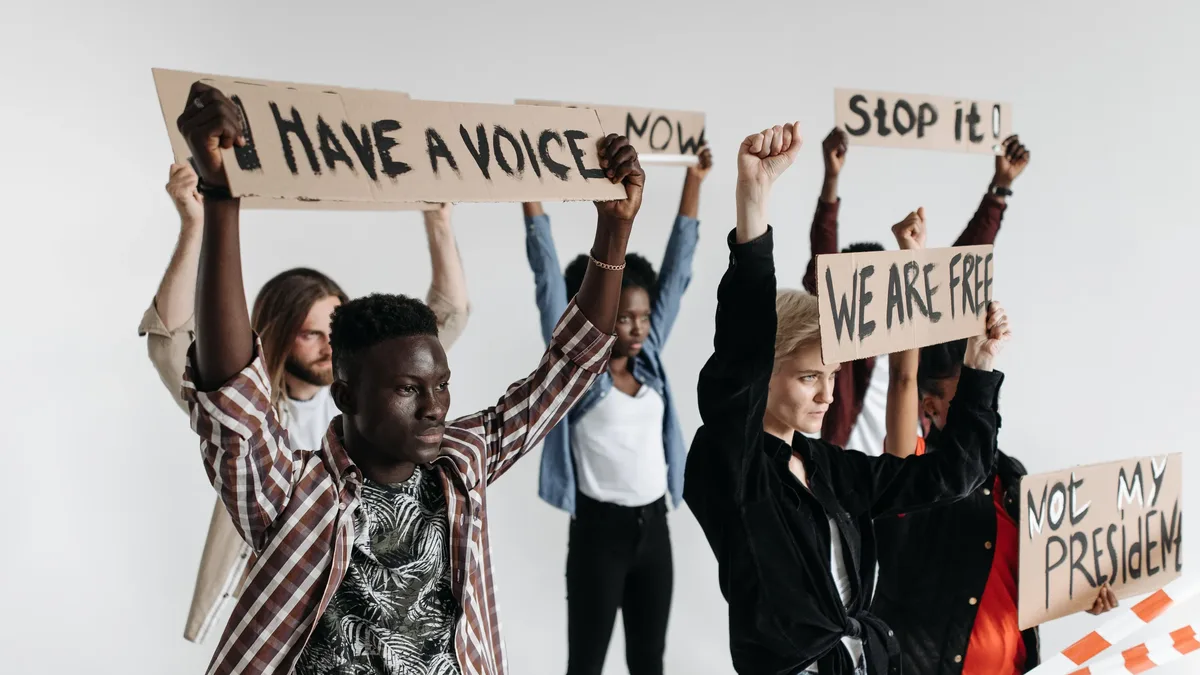
Global Rights Groups Condemn Pakistani Lawyers' Conviction
International human rights organizations condemn the 10-year sentences given to Pakistani lawyers Imaan Zainab Mazari-Hazir and Hadi Ali Chattha for...
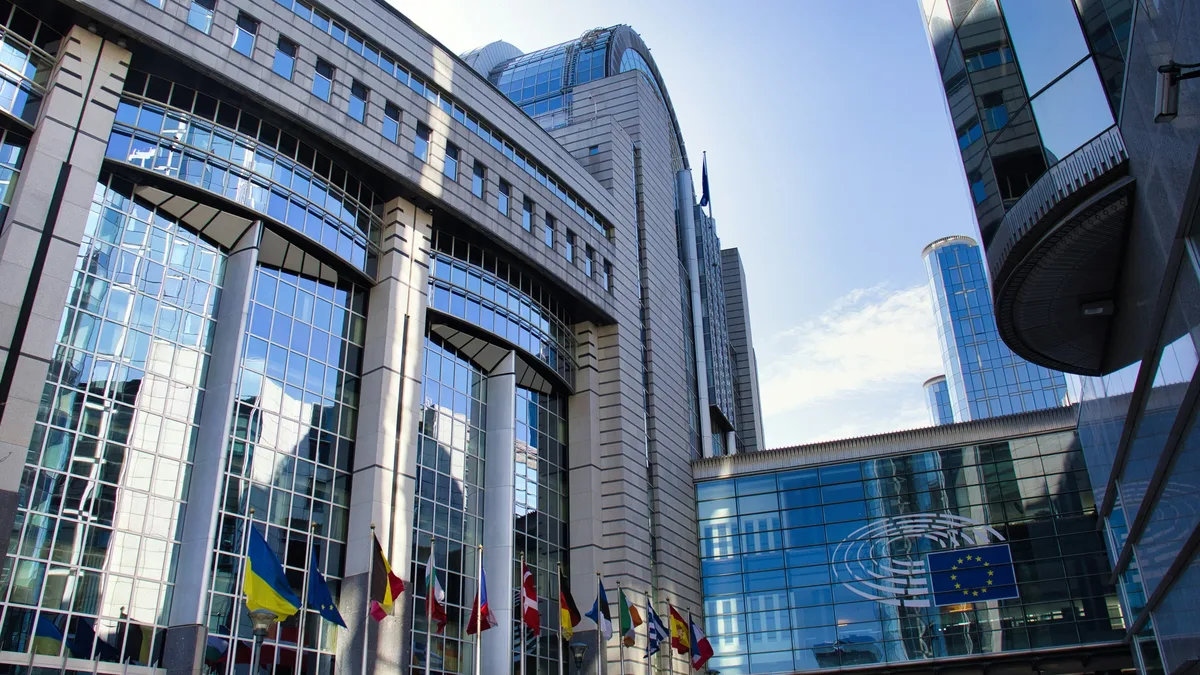
European Parliament debate sparks human rights alarm over anti-Muslim rhetoric
Civil society groups have filed a formal complaint over Islamophobic language and a proposed resolution in the European Parliament, warning it...
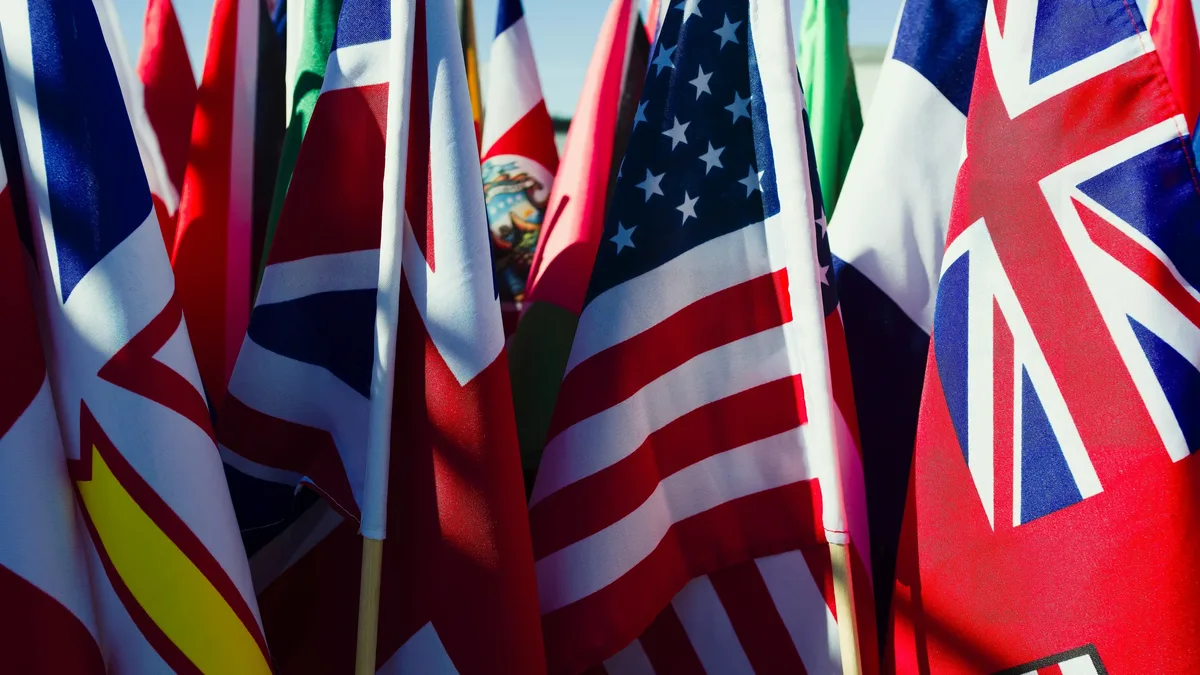
US Boycotts UN Human Rights Review for Second Time
The United States has refused to participate in its UN Universal Periodic Review for a second consecutive year, prompting the Human Rights Council to...
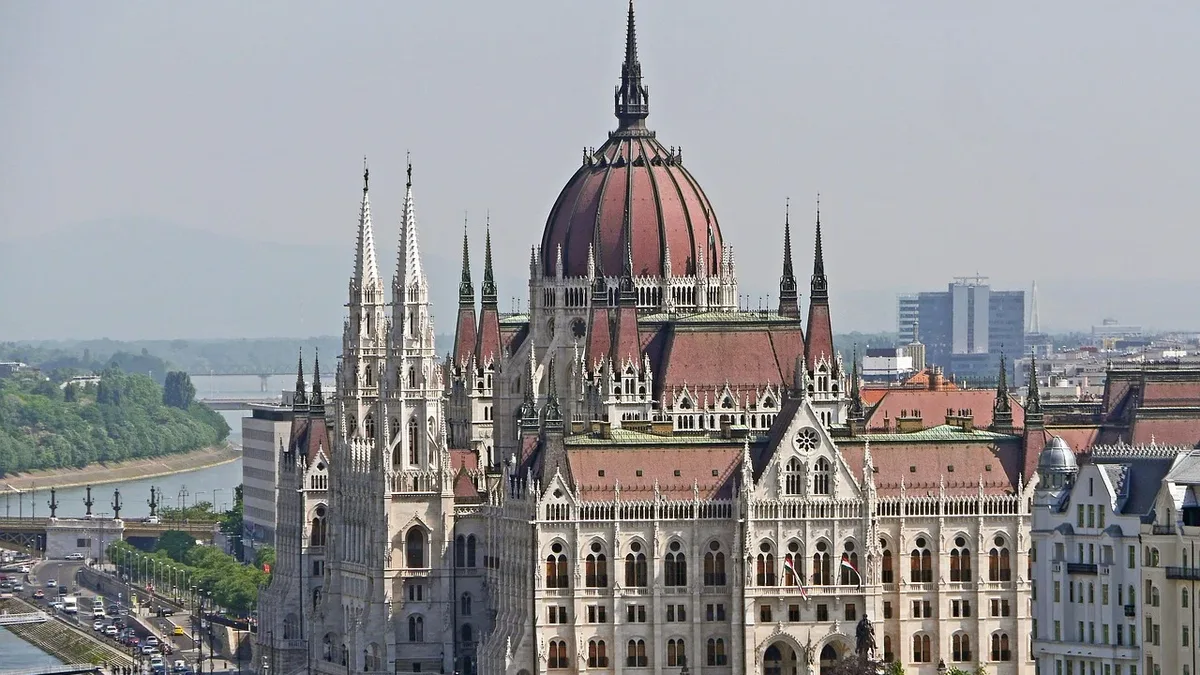
Hungary's 2026 media reforms mark historic break from repression
International human rights monitors have declared Hungary's 2026 media reform program a historic break from 16 years of state control.