Global Rights Groups Condemn Pakistani Lawyers' Conviction
International human rights organizations condemn the 10-year sentences given to Pakistani lawyers Imaan Zainab Mazari-Hazir and Hadi Ali Chattha for protest-related charges, citing fair trial violations.
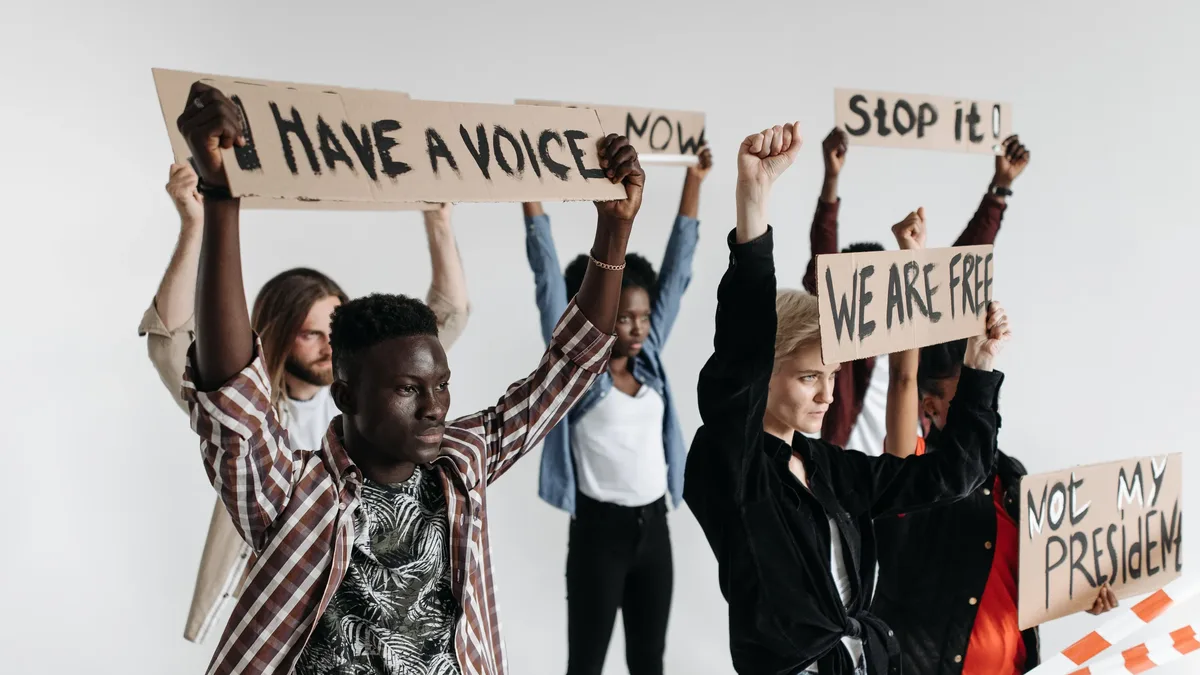
International human rights organizations have condemned the conviction of Pakistani lawyers Imaan Zainab Mazari-Hazir and Hadi Ali Chattha for protest-related charges. Amnesty International and 22 other international civil society groups called for their immediate release and for their convictions to be quashed.
The Islamabad Anti-Terrorism Court sentenced the two human rights lawyers to 10 years in prison on October 29. They were convicted under anti-terrorism legislation and ordered to pay fines totalling 200,000 Pakistani rupees. The conviction stems from an October 2024 incident where the lawyers allegedly removed security barriers on a road in Islamabad during the transportation of the visiting England cricket team.
Court proceedings and legal concerns
The trial took place inside Adiala prison in Rawalpindi and was criticized for violating fair trial standards. The lawyers were kept in a cage-like structure in the courtroom. This arrangement limited their communication with counsel and restricted their legal team's access. Their defence reportedly faced difficulties challenging prosecution evidence.
Charges and legal basis
The lawyers were convicted under section 7(h) of the Anti-Terrorism Act 1997 and sections 186 and 353 of the Pakistan Penal Code. The charges included alleged obstruction and intimidation of public servants. The case was registered at Islamabad’s Aabpara Police Station over allegations that the couple threatened national security by interfering in state affairs during the cricket team’s visit. The prison sentences for the various provisions are to run concurrently.
Fair trial violations
Legal groups note multiple breaches of fair trial standards. The prosecution relied primarily on police testimony. The defence was denied adequate opportunity to challenge this evidence. The verdict was delivered despite a petition filed before the Supreme Court on October 26 seeking a stay on proceedings and a transfer of the case. That petition was not heard.
Both lawyers deny the charges, stating the case was fabricated to target them for their professional work and peaceful activism. They have represented victims of enforced disappearances, custodial abuse, and abuse of blasphemy laws. Their prosecution threatens the independence of the legal profession and access to justice in Pakistan.
The convictions are viewed against a series of legal cases targeting the lawyers. On September 17, 2026, the Supreme Court granted them bail and suspended their 17-year sentences under the Prevention of Electronic Crimes Act for social media posts. They were re-arrested on the same day under the Anti-Terrorism Act in a separate protest-related case from 2025. They were detained for 14 days before being granted bail on November 3. Their bail application in that protest case was repeatedly stalled until after their conviction in the barrier removal case.
Anti-terrorism legislation was criticized for being overbroad and disproportionately applied to peaceful human rights work. The proceedings risk creating a chilling effect. Pakistan is a state party to the International Covenant on Civil and Political Rights, which guarantees rights to a fair trial, freedom of expression, and peaceful assembly. Article 10A of the Constitution of Pakistan also guarantees the right to a fair trial and due process. The UN Basic Principles on the Role of Lawyers require states to ensure lawyers can perform their functions without intimidation.
The signatory organizations, which include ARTICLE 19 and the International Bar Association’s Human Rights Institute, warn that the case exemplifies the misuse of laws to criminalize advocacy. The Pakistani government is urged to immediately release the lawyers and quash their convictions as part of broader efforts to protect legal professionals and access to justice.