Human Rights Committee
| Established by treaty | International Covenant on Civil and Political Rights (ICCPR) |
|---|---|
| Composition | 18 independent experts |
| Primary function | Monitoring state compliance with the ICCPR |
| Key activity | Examining state party reports |
| Meeting frequency | Three sessions per year |
| Session duration | Four weeks each |
Origin and history
The United Nations Human Rights Committee originates from the international treaty system of the United Nations. Its creation was part of the post-World War II development of international human rights law and institutions. The body was formed to provide a dedicated, expert-led mechanism to monitor the implementation of the rights enshrined in the ICCPR. Its founding is distinct from the political bodies within the UN, such as the Commission on Human Rights, emphasizing its role as a treaty-based committee of independent experts.
What it is for
The Human Rights Committee exists to monitor the implementation of the International Covenant on Civil and Political Rights by its states parties. Its primary functions are to examine periodic reports submitted by governments on their compliance with the treaty and to consider individual complaints alleging violations by states that have ratified the First Optional Protocol. The Committee also publishes authoritative interpretations of the Covenant's provisions through its General Comments. Additionally, it is competent to consider interstate complaints, though this procedure has never been used. The Committee's work aims to hold states accountable to their legal obligations under international law through a dialogue-based process. Its concluding observations on state reports provide specific recommendations for legal and policy reforms to better protect civil and political rights.
Pros and cons
A significant advantage of the Human Rights Committee is its foundation in binding treaty law, which provides a legal, rather than purely political, framework for its assessments. Its composition of independent experts generally leads to more objective and principled conclusions than political bodies. The individual complaints procedure offers a unique international avenue for redress when domestic remedies are exhausted. A common criticism, however, is the severe backlog in processing both state reports and individual communications, leading to delays of several years. The mechanism's effectiveness is entirely dependent on state cooperation, and its concluding observations are not legally binding, leading to inconsistent implementation by governments. Many advocates regret that the process can become a repetitive diplomatic exercise for states that lack political will, with follow-up on recommendations often being weak. A frequent mistake is for petitioners or NGOs to conflate this Committee with the more political UN Human Rights Council, misunderstanding its specific legal mandate and limitations.
Who it suits
This mechanism suits states parties to the ICCPR that are engaged in a genuine, technical dialogue on improving their domestic human rights frameworks. It is particularly suited for civil society organizations and national human rights institutions that can use the state reporting process to highlight systemic issues and leverage the Committee's recommendations for domestic advocacy. The individual complaints procedure suits individuals who have exhausted all effective domestic legal remedies and whose state has ratified the First Optional Protocol, seeking an authoritative international legal finding on a violation. It also serves academics and legal practitioners specializing in international human rights law, as the Committee's jurisprudence and General Comments are key sources for interpretation of the Covenant. The process is less suited for addressing urgent or imminent crises, given its lengthy timelines, or for engaging states that are openly hostile to international human rights scrutiny.
Latest Human Rights Committee news
Latest reporting
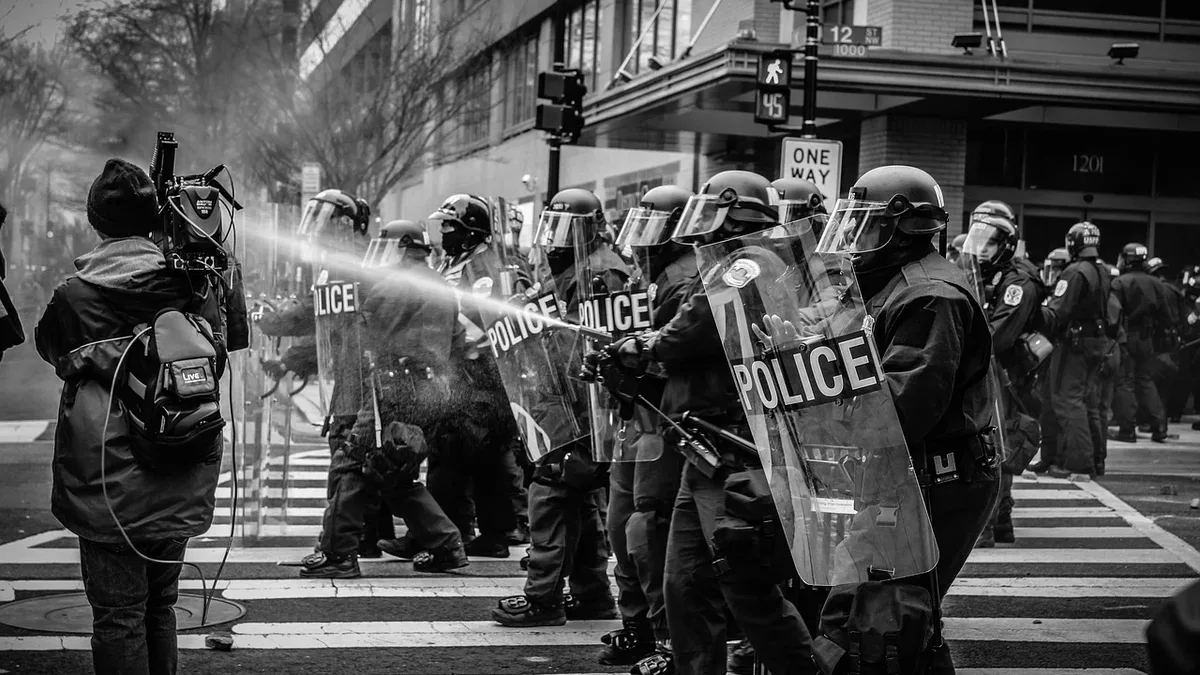
Indonesian Police Used Excessive Force at Yogyakarta Protests
Security forces in Yogyakarta used rubber bullets, tear gas, and water cannons against largely peaceful protests on November 10, 2026, detaining over...
Bahrain's Mass Trial of Shia Clerics Condemned Over Torture
Twenty human rights groups condemn Bahrain's mass trial of 60 Shia clerics, citing torture allegations and severe due process violations ahead of a...
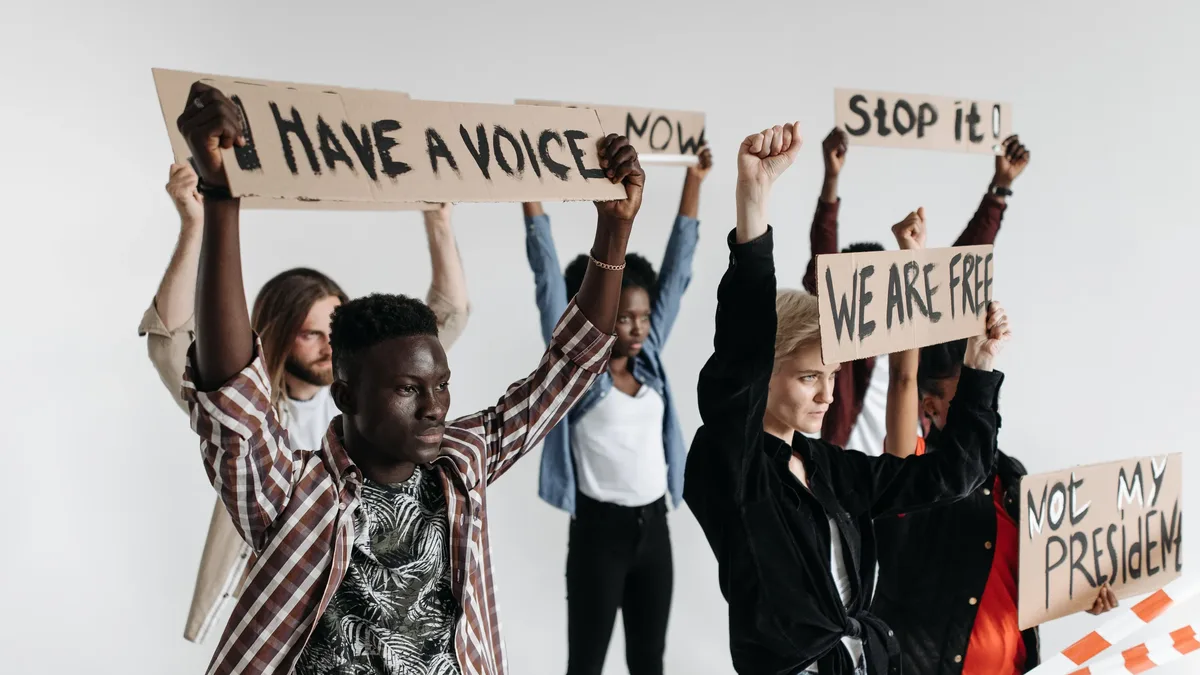
Global Rights Groups Condemn Pakistani Lawyers' Conviction
International human rights organizations condemn the 10-year sentences given to Pakistani lawyers Imaan Zainab Mazari-Hazir and Hadi Ali Chattha for...
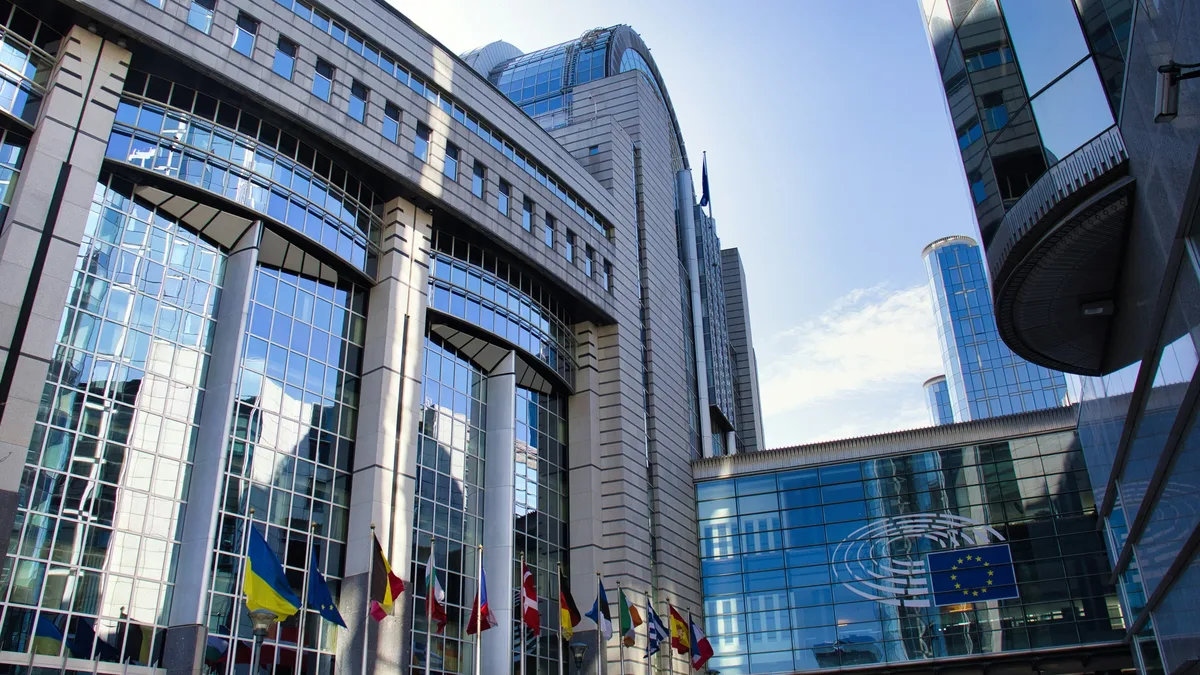
European Parliament debate sparks human rights alarm over anti-Muslim rhetoric
Civil society groups have filed a formal complaint over Islamophobic language and a proposed resolution in the European Parliament, warning it...
US Boycotts UN Human Rights Review for Second Time
The United States has refused to participate in its UN Universal Periodic Review for a second consecutive year, prompting the Human Rights Council to...
Hungary's 2026 media reforms mark historic break from repression
International human rights monitors have declared Hungary's 2026 media reform program a historic break from 16 years of state control.