European Parliament debate sparks human rights alarm over anti-Muslim rhetoric
Civil society groups have filed a formal complaint over Islamophobic language and a proposed resolution in the European Parliament, warning it undermines EU anti-discrimination principles and targets Muslim communities.
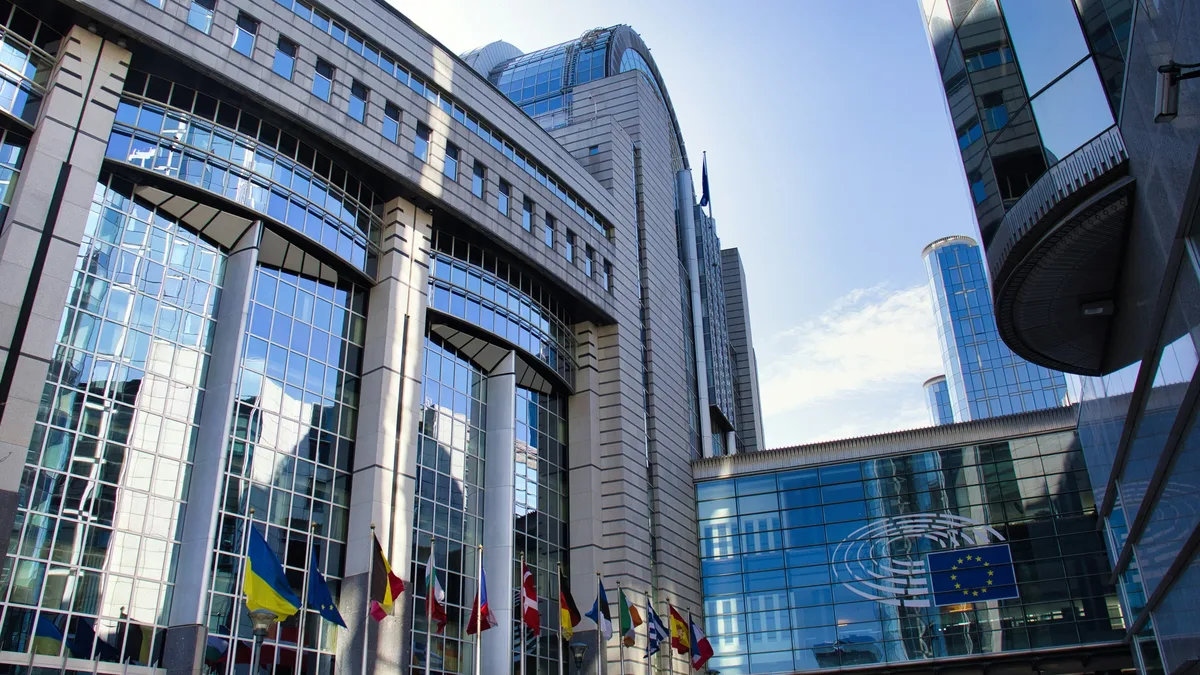
A recent European Parliament debate has prompted a formal human rights complaint over inflammatory rhetoric and proposals targeting Muslim communities. On November 10, 2026, a coalition of civil society organizations sent an open letter to Parliament President Roberta Metsola condemning the language used in the October 7 debate.
Amnesty International's European Institutions Office and other groups expressed serious concern over racist and Islamophobic rhetoric during the proceedings. Some lawmakers portrayed Muslims as seeking to 'infiltrate' European democratic institutions.
Civil society files formal complaint
The open letter, signed by organizations including Amnesty International, the Forum of European Muslim Youth and Student Organisations (FEMYSO), the European Network Against Racism (ENAR), and PfE, accuses lawmakers of using defamatory language, hate speech, and statements inciting discrimination. The complaint specifically highlights statements made by members of the European Conservatives and Reformists (ECR) group.
Assita Kanko of the ECR described the perceived threat as "infiltrating our democratic system like a creeping poison." Another ECR lawmaker, Kristoffer Storm, called to "combat Islam’s influence on our daily lives and on our society."
Discrimination data shows crisis
The complaint references systemic issues of discrimination faced by Muslim communities across the European Union. It cites a 2024 report from the European Union Agency for Fundamental Rights which found that 47% of Muslim respondents reported experiencing racial discrimination in the preceding five years.
This data provides context for the civil society groups' alarm, framing the parliamentary debate not as an isolated incident but as part of a broader pattern of marginalization.
Proposed measures target religious practices
Beyond rhetoric, the debate featured calls for concrete measures targeting Islamic religious practices. Some lawmakers advocated for closing prayer rooms, banning headscarves and halal food in public institutions, and deporting Muslims accused of prioritizing religious law over national constitutions.
These proposals represent a direct challenge to religious freedom and non-discrimination principles enshrined in EU law and international human rights covenants.
Resolution risks civil society exclusion
A particular resolution under discussion has drawn sharp criticism for its potential impact on civil society. The text seeks to delegitimize anti-racism organizations by singling them out for addressing Islamophobia and advocating for equal rights for Muslim people. The open letter argues the resolution relies on vague and unsubstantiated allegations and risks treating routine civil society activities as evidence of 'entryism' or infiltration.
This could lead to organizations that document anti-Muslim discrimination being accused of exploiting anti-discrimination frameworks themselves. The result, warn the groups, could be the systematic exclusion of these voices from European institutions. The European Parliament's response to the November 10 complaint will now be closely watched for its implications on civic space and fundamental rights.