Transgender women attacked in Buenos Aires' Palermo Woods
A violent mob assaulted transgender sex workers in Buenos Aires on November 1, 2023, injuring six amid a climate of rising anti-LGBTQ+ rhetoric and policy shifts under President Javier Milei.
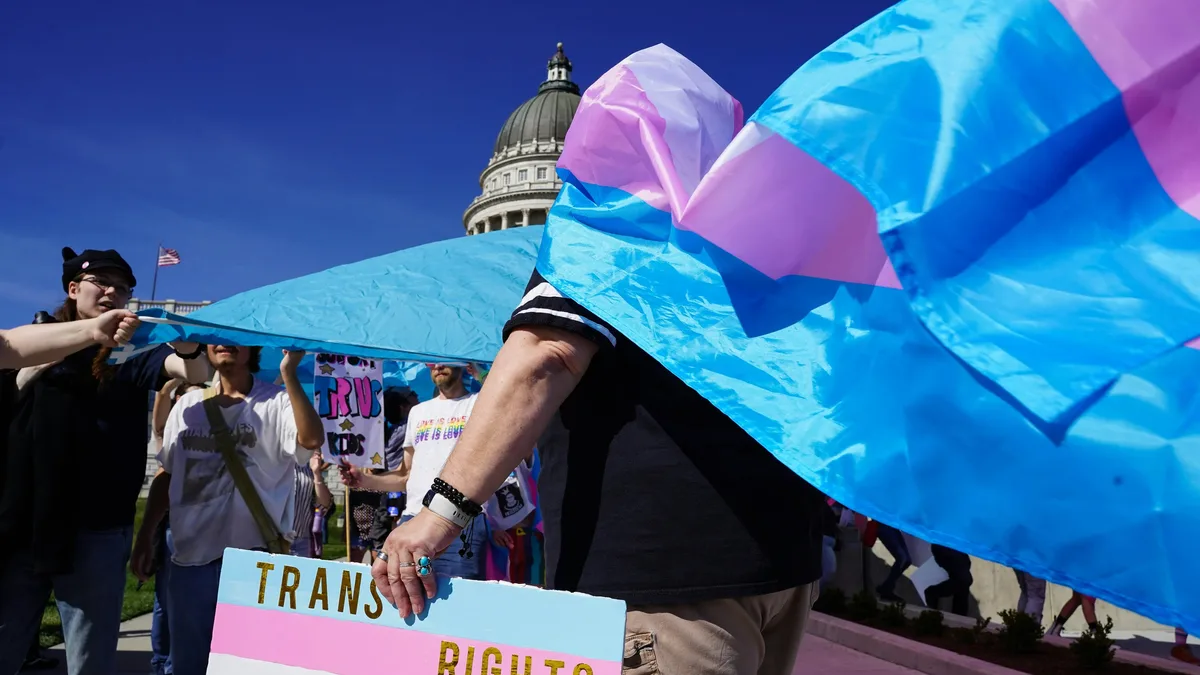
A group of young men violently attacked transgender women in Buenos Aires' Palermo Woods on November 1, 2023. The assault, which occurred in the early hours of a Sunday morning, left six women injured, one with serious ear damage, after the assailants hurled transphobic insults and struck the victims with sticks, bottles, and other objects. Survivors reported that over 150 cyclists surrounded the transgender women at the corner of Ombúes and Bello during the incident, and that police took 20 to 30 minutes to respond to their emergency calls. Transgender sex workers in the area have reported repeated police harassment for over a year.
Legal context and systemic risks
Although consensual adult sex work is not a crime under Argentine national law, Buenos Aires imposes administrative penalties for offering sexual services in unauthorized public spaces. The enforcement of these restrictions can expose sex workers to heightened risk of discrimination, including from law enforcement. This systemic vulnerability was evident in the delayed police response to the November attack.
Investigation and advocacy demands
Buenos Aires prosecutors have opened an investigation into the attack, handled by the North Flagrancy Unit headed by Ángel Palopoli. Investigators were urged to assess whether the assault was motivated by hatred based on gender identity and to ensure safe victim participation. The City Ombudsman's Office confirmed the attack and stated they were working with prosecutor Andrea Verónica Scanga, with security camera footage requests and witness interviews ordered. The Argentine LGBT+ Federation filed a criminal complaint demanding justice. Following the attack, trans sex workers and activists are demanding not only accountability but meaningful protection, effective steps to reverse the discrimination that limits employment opportunities, and an end to harassment.
Political climate and leadership response
The attack occurred amid a troubling political climate for LGBT rights in Argentina. President Javier Milei’s administration has attacked gender diversity initiatives, dismantled equality-promoting institutions, and restricted access to gender-affirming healthcare for trans youth, while government officials have used stigmatizing rhetoric. Provincial senator Mónica Macha stated that 'hate speech kills' and blamed Milei and Jorge Macri for escalating violence. Clara Muzzio, deputy head of government, promoted the false idea of 'gender ideology' and stated there are only 'two sexes, male and female,' a claim Congressman Esteban Paulón demanded she retract.
Community solidarity and broader context
The incident happened during the week of the 35th Pride March in Buenos Aires, hours after a Sex Workers' Strike where participants raised concerns about violence. This attack is part of a broader pattern of violence, with four sex workers murdered between August and October and nine transfemicides recorded in 2026 by the Adriana Zambrano Observatory. The FALGBT+ reported 227 hate crimes in 2025. Artists including María Becerra, Tini, Lali, and Emilia Mernes expressed solidarity via social media. Trans and travesti communities are demanding solidarity through advocacy for reparations, employment quotas, and participation in marches, while Argentina’s leaders are urged to respond with public policies that uphold the dignity and rights of trans people and sex workers.