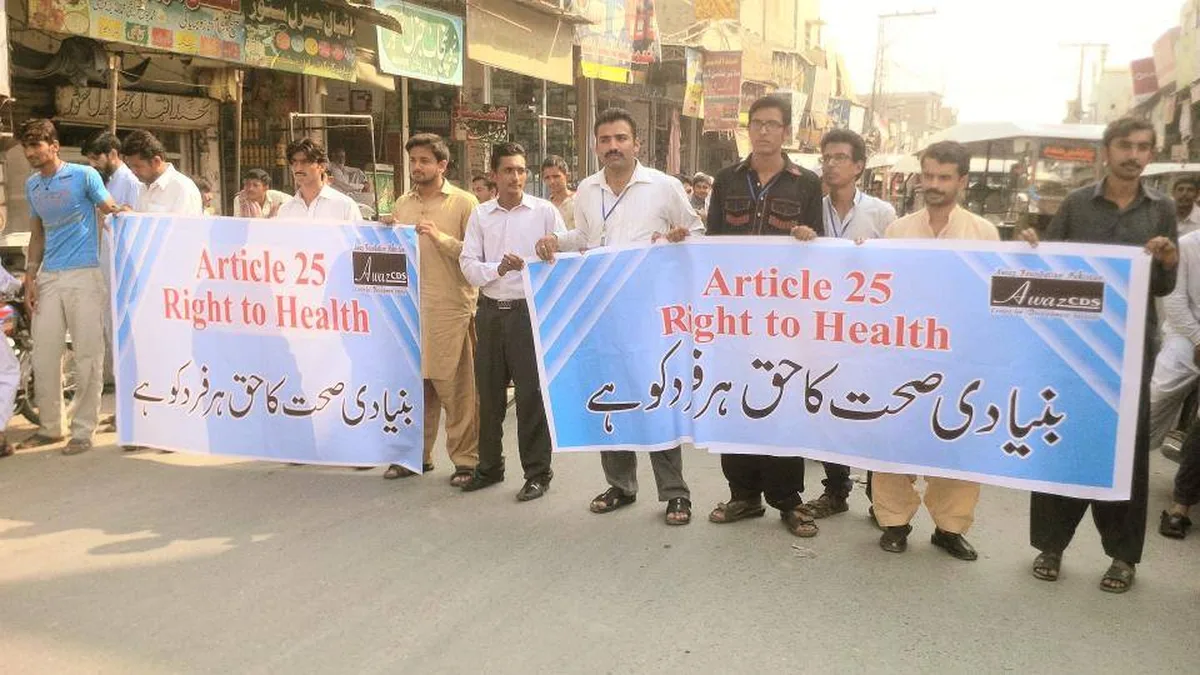
Right To Health
| Legal recognition | International human rights law (e.g., ICESCR Article 12) |
|---|---|
| Core components | Highest attainable standard of physical and mental health |
| Violation examples | Denial of access to healthcare, unsafe drinking water, unregulated pollution |
| Remedy mechanisms | Legislative implementation, judicial enforcement, international monitoring bodies |
| Original use | Foundation for state obligations in public health and healthcare systems |
| First documented | 20th century (mid) |
| Key instruments | International Covenant on Economic, Social and Cultural Rights, WHO Constitution |
Origin and history
The conceptual foundation for a right to health emerged in Europe during the Enlightenment, with philosophers linking health to societal well-being. Its formal articulation as an international human right originated in the mid-twentieth century following the Second World War. The right was first codified in 1946 in the Constitution of the World Health Organization, which declared health a fundamental human right. A major milestone was its inclusion in the 1948 Universal Declaration of Human Rights, specifically in Article 25. The right was further elaborated in the 1966 International Covenant on Economic, Social and Cultural Rights, which detailed state obligations. Regional human rights systems in Africa, the Americas, and Europe have since developed their own treaties and interpretations of this right, expanding its legal framework.
What it is for
The right to health is for ensuring all people can attain the highest possible standard of physical and mental health. It serves to obligate governments to create conditions where access to timely, acceptable, and affordable healthcare is available. This right is for the provision of public health initiatives, such as sanitation, safe water, and disease prevention programs. It is designed to protect populations from harmful practices and environmental hazards that degrade health. The right also functions to mandate the provision of essential medicines and a sufficient infrastructure of trained medical personnel. Furthermore, it is for guaranteeing non-discrimination in health services and addressing the health needs of vulnerable or marginalized groups.
Pros and cons
A primary pro is that it provides a powerful legal and moral framework to hold governments accountable for systemic health failures, such as denying care to certain populations. It can drive progressive policy, leading to the establishment of universal healthcare systems and prioritized public health funding. A significant con is that its broad, aspirational nature can make enforcement and measurement difficult, as "the highest attainable standard" is not a fixed target. Governments, particularly in resource-poor settings, often cite progressive realization and limited resources to justify slow implementation or inadequate services. Critics argue it can lead to unrealistic public expectations and legal litigations that strain judicial systems and government budgets. A common mistake is viewing the right solely as access to curative medical care, neglecting its core components of underlying determinants like clean water, nutrition, and healthy workplaces.
Who it suits
This right fundamentally suits any individual, as it is a universal entitlement inherent to all human beings. It particularly suits populations living in poverty, who are most affected by inadequate health systems and underlying determinants of disease. The right suits advocates and non-governmental organizations who use its legal provisions to campaign for health equity and justice. It suits public health officials and policymakers who require a rights-based framework to justify and design inclusive health strategies. The legal framework suits judges and national human rights institutions tasked with interpreting state obligations and adjudicating health-related grievances. Ultimately, the right to health suits societies that prioritize collective well-being and view health as a prerequisite for dignity and the exercise of other human rights.
Latest Right To Health news
Latest reporting
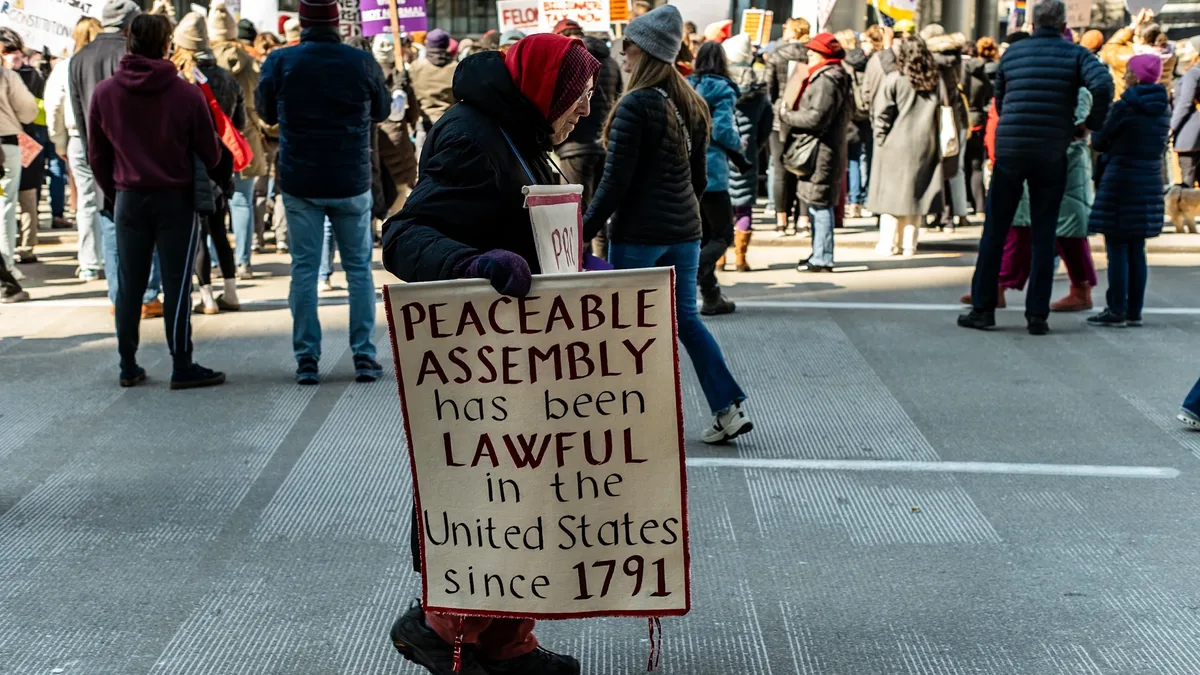
81 States Meet at UN to Discuss Free Education Treaty
Eighty-one states met at the UN in Geneva to discuss a proposed treaty strengthening children's right to free education.

ECOWAS Court Rules Internet Access a Human Right
The ECOWAS Community Court of Justice has declared internet access a component of the right to freedom of expression.
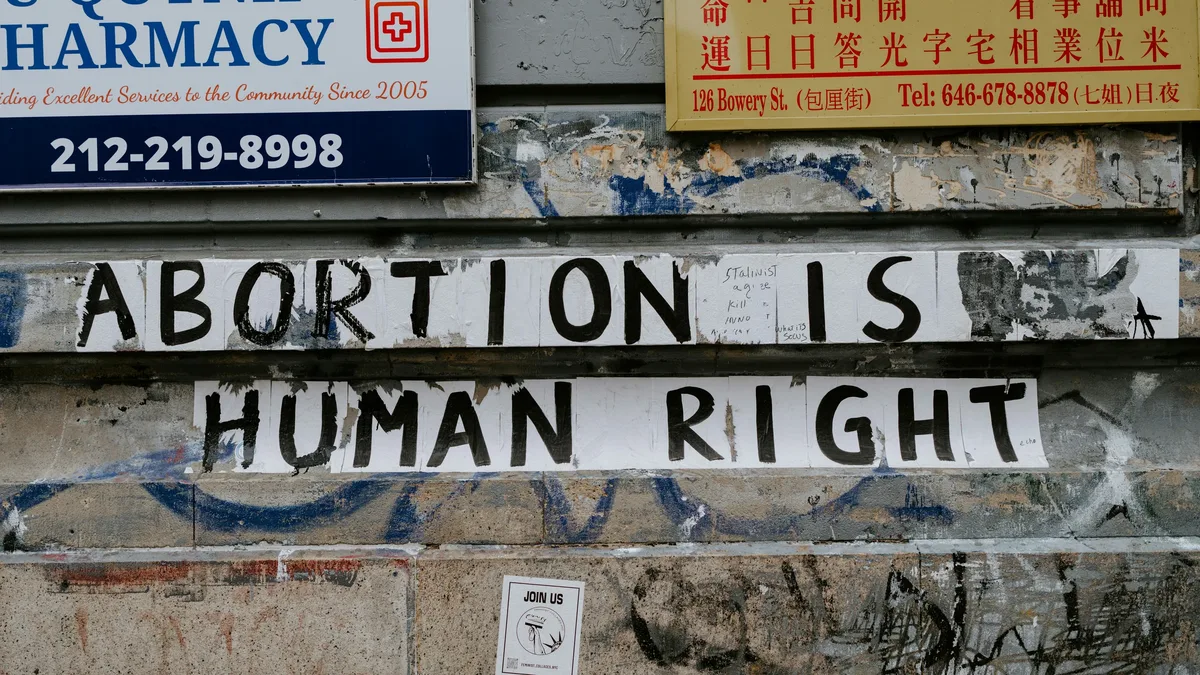
Meta censors reproductive health info
The Electronic Frontier Foundation has submitted a public comment to the Meta Oversight Board, arguing that Meta's moderation systems wrongly censor

Court Upholds R3D's Right to Access Spyware Contracts
The First Collegiate Court of the Thirtieth Circuit rules in favour of R3D, upholding the right to access spyware contracts acquired by the...
Brazilian Journalism Coalition Calls for Source Confidentiality Protection
The Committee to Protect Journalists and nine other organizations condemn the Brazilian Federal Supreme Court's decision to violate a journalist's...

US ICE to Deploy Electric Shock Gloves Amid Concerns Over Safety and Abuse
The US Department of Homeland Security plans to purchase electric shock gloves for Immigration and Customs Enforcement (ICE) agents, sparking...