Foreign Agent Laws
| Original use | To regulate individuals or entities acting under foreign influence |
|---|---|
| Typical scope | Political activity, lobbying, media, and civil society organizations |
| Common legal requirements | Registration, disclosure of funding and activities, labeling of materials |
| Typical penalties for non‑compliance | Fines, administrative sanctions, potential criminal liability |
| Primary stated purpose | To increase transparency of foreign influence on domestic affairs |
| Common criticism | Can be used to suppress political opposition and stigmatize independent organizations |
| Mechanism for repeal or amendment | Legislative action or constitutional court ruling |
Origin and history
Foreign agent laws originated in the United States with the Foreign Agents Registration Act (FARA) of 1938. This legislation was created in the decade before World War II, primarily in response to covert Nazi propaganda efforts within the country. The initial intent was to ensure transparency regarding individuals and entities seeking to influence U.S. public opinion or policy on behalf of foreign principals. The model of requiring registration and disclosure for foreign-influenced activities was subsequently adopted and adapted by numerous other nations in different historical periods. In the post-Soviet era, beginning in the 2010s, several states, including Russia, Hungary, and Georgia, enacted or significantly amended their own versions of foreign agent legislation. These more recent laws often diverge in spirit and application from the transparency-based U.S. model, reflecting distinct political and social contexts.
What it is for
The stated purpose of foreign agent laws is to provide transparency about foreign influence within a nation's political and public spheres. In their original conception, these laws aim to inform the public and government about who is lobbying, disseminating information, or conducting political activities at the behest of a foreign government or entity. The core mechanism typically involves mandatory registration with a state authority and periodic disclosure of activities, funding sources, and the nature of the relationship with the foreign principal. Proponents argue such laws are necessary for national security, protecting state sovereignty, and preserving the integrity of domestic political processes from covert external manipulation. The laws are designed to apply to a range of actors, including lobbyists, public relations firms, non-governmental organizations, and media outlets that receive foreign funding or operate under foreign direction. The specific activities triggering registration can include political advocacy, public campaigns, and dissemination of informational materials.
Pros and cons
A primary pro of a well-designed foreign agent law is the legitimate increase in transparency, allowing citizens to contextualize political messaging by knowing its potential foreign sponsorship. This can theoretically bolster national security by exposing covert influence operations and deterring malign foreign interference in democratic processes. A significant con, however, is the frequent misuse of such laws to stigmatize, silence, and burden legitimate civil society organizations, independent media, and political opposition. The common mistake in implementation is crafting overly broad definitions of "foreign influence" or "political activity" that encompass routine human rights advocacy, academic exchange, or humanitarian work. Governments often regret the international condemnation and diplomatic friction that follows from using the laws as a tool of political repression rather than genuine transparency. Individuals and organizations subjected to these laws frequently face onerous bureaucratic requirements, intense public scrutiny, and a damaging "foreign agent" label that can jeopardize funding and safety, regardless of their actual work.
Who it suits
This legal framework primarily suits governments seeking to assert control over the civic space and limit sources of funding and influence outside their direct oversight. It suits political regimes that prioritize the narrative of defending national sovereignty from external threats over the principles of an open civil society. The laws are often favored by administrations that wish to consolidate domestic political power by discrediting and restricting independent NGOs and media outlets that rely on international grants. From an enforcement perspective, the model suits states with a compliant judiciary and substantial administrative capacity to monitor, investigate, and prosecute alleged violations. It does not suit a robust, pluralistic democratic environment where diverse funding for civil society is protected and transparency is achieved through less punitive, more narrowly tailored disclosure regimes. Ultimately, the modern application of such laws tends to suit authorities inclined toward illiberal governance more than it suits the organizations operating within the affected civic sphere.
Latest Foreign Agent Laws news
Latest reporting
UN Reports Sri Lanka's Lack of War Crimes Accountability
A new UN report finds Sri Lanka's government has made little progress on justice for war-era atrocities, failing to repeal repressive laws or...

Pakistan Press Foundation Warns New Media Rules Will Fuel
The Pakistan Press Foundation warns that the government's 2026 Foreign Media Facilitation Guidelines, mandating registration for all journalists...

Semlex in Belgian court over Congo passports
A Belgian court will try Semlex and 14 individuals for alleged foreign public official bribery, money laundering, and tax fraud linked to a $185...
Semlex faces Belgian trial over DRC passport
A Belgian court has referred Semlex and other defendants to stand trial for alleged foreign bribery, money laundering, and tax fraud linked to a DRC
Nigeria Foreign Aid Bill Threatens Civil
A proposed Nigerian law to regulate foreign aid risks giving the government excessive control over independent civil society organizations...
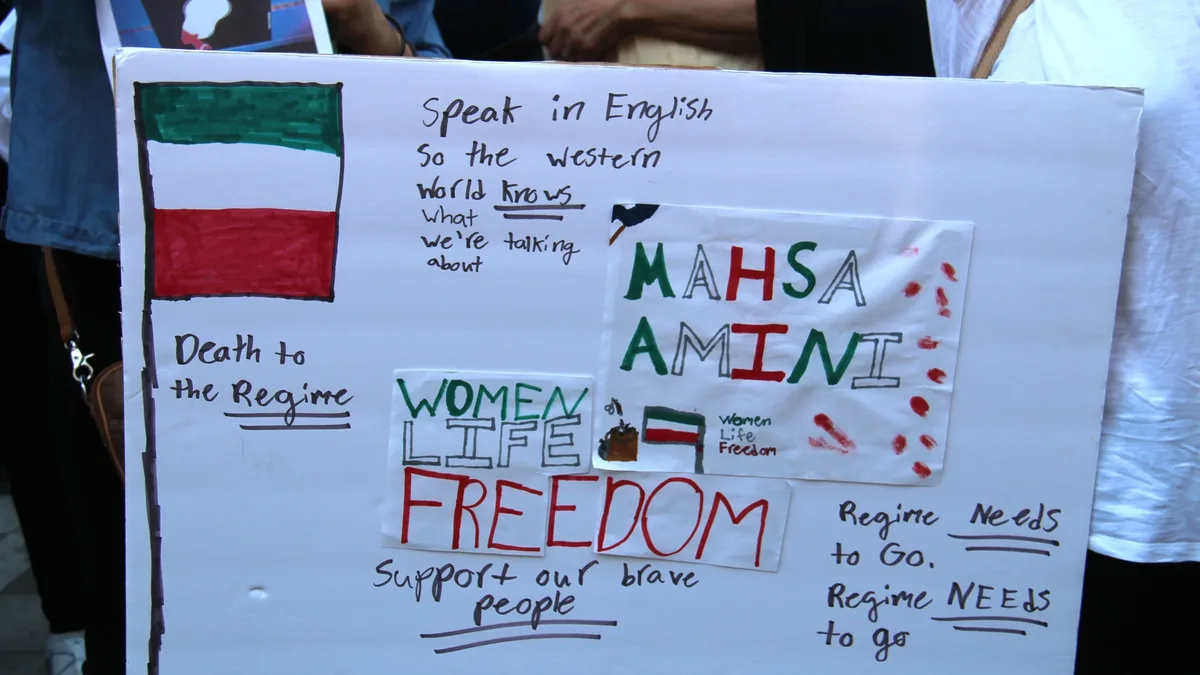
Iran's Foreign Influence Bill Assails Rights
Iran's parliament has tabled a 'Countering Foreign Influence' bill that criminalizes communication with foreign media, threatening prison sentences...