Iran's Foreign Influence Bill Assails Rights
Iran's parliament has tabled a 'Countering Foreign Influence' bill that criminalizes communication with foreign media, threatening prison sentences of six
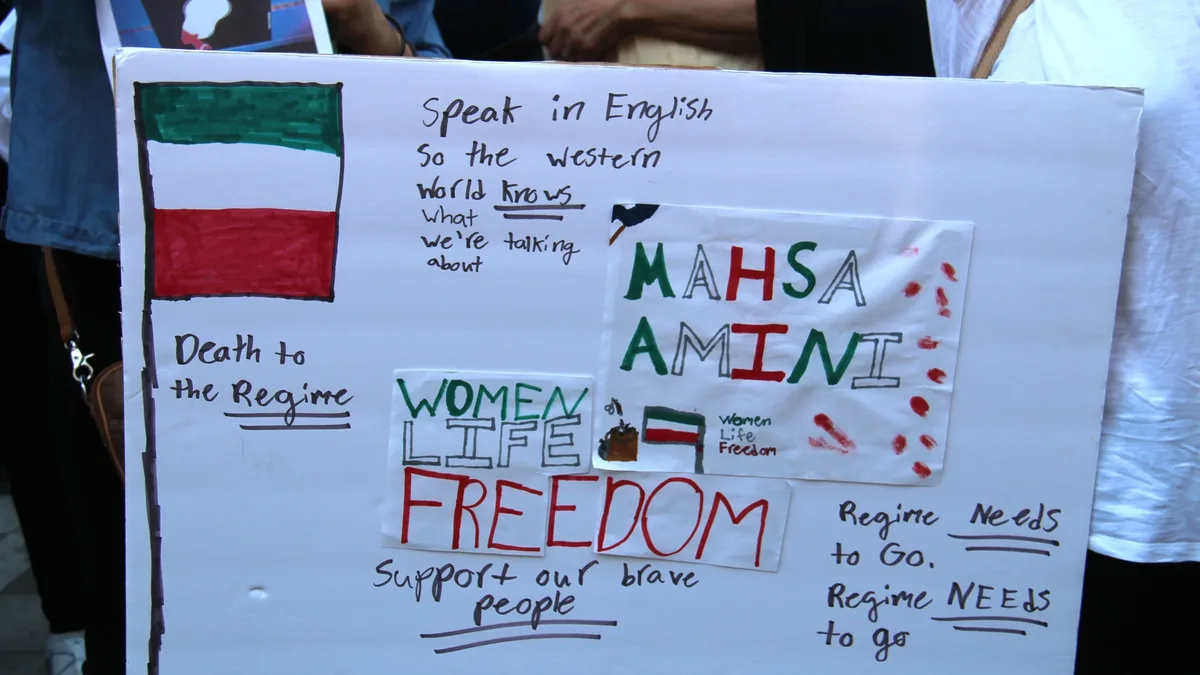
Iran's parliament has introduced a bill that would criminalize communication with foreign media, threatening prison sentences. The 'Countering Foreign Influence' legislation poses a severe risk to journalists, human rights defenders, and ordinary citizens, according to the free expression organization ARTICLE 19.
Under the proposed law, engaging with media deemed 'hostile' to the Islamic Republic would become a criminal activity. Contact via social media platforms owned by non-Iranian companies is also included in the ban. The bill mandates prior written approval from the Intelligence Ministry for any engagement with foreign media, while interaction with foreign organizations or embassies would require clearance from the Foreign Ministry.
Escalating Legal and Military Pressure
This legislative push follows a pattern of stricter laws concerning media and foreign interactions, particularly after the 12-day war with Israel in 2025. In a further escalation, Iran's armed forces spokesman Abolfazl Shekarchi announced on 26 August that several Persian-language media outlets operating abroad were designated as military targets. The named outlets include BBC Persian, Iran International, and Radio Farda, cited for alleged connections with foreign intelligence agencies.
The authorities are also increasing pressure on daily life within Iran. This includes blocking people's SIM cards and cracking down on social freedoms, such as shutting down popular cafes frequented by young people for allegedly failing to respect the mandatory hijab law.
Impact on Information and Civil Society
Journalists and human rights defenders in Iran already operate under severe restrictions. Criminalizing contact with foreign media would make it significantly harder to share information about human rights violations and events inside the country. Independent reporting on issues authorities seek to suppress would face even greater obstacles.
The restrictions would also deter ordinary citizens from communicating with journalists, civil society groups, international institutions, or the Iranian diaspora. Seeking assistance, reporting abuses, or sharing information about domestic conditions would carry the threat of prosecution.
ARTICLE 19 has called on the Iranian government to immediately withdraw the bill and end efforts to criminalize legitimate communication. The organization urges authorities to protect journalists, human rights defenders, civil society organizations, and the public from arrest or reprisals for exercising their right to freedom of expression.
The group also calls on the international community to leverage its engagement with Iran and use membership in international bodies to counter the worsening crackdown. It asks for public support for independent media globally, emphasizing journalism's role in educating the public and contributing to healthy societies. The final demand is for the bill's withdrawal to prevent further erosion of civil and political rights.