UN CERD Cites Widespread Racial
The UN Committee on the Elimination of Racial Discrimination has expressed grave concern over widespread racial discrimination and human rights violations
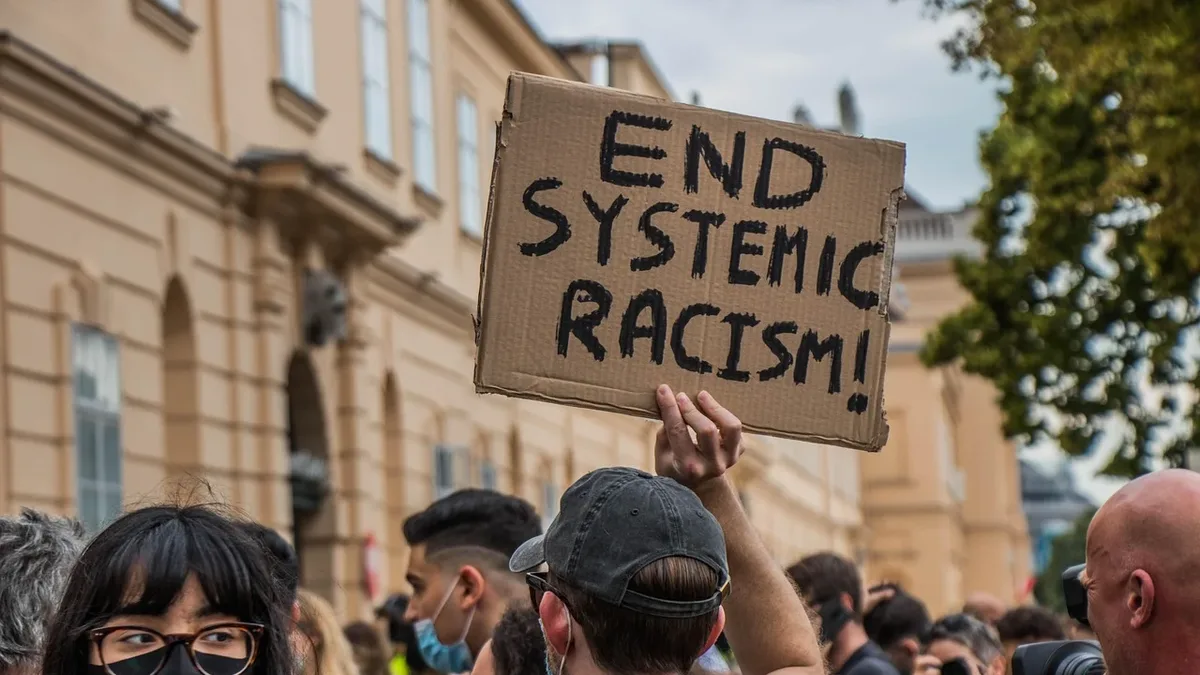
The United Nations Committee on the Elimination of Racial Discrimination (CERD) released its findings on India on 25 August 2026. The Concluding Observations follow the committee's review of India's reports on implementing the International Convention on the Elimination of Racial Discrimination (ICERD), held in Geneva on 11-12 August 2026.
The CERD's assessment reflects information presented by the International Federation for Human Rights (FIDH) and partner organizations in joint reports. The committee monitors how state parties, including India, implement the fixtures of the ICERD.
Legislative Gaps and Hate Crimes
The committee identified critical gaps in India's legal framework. It noted the absence of a comprehensive definition of racial discrimination. The law also fails to explicitly criminalize all acts of racist hate speech and hate crimes.
The CERD expressed concern over reports of widespread racial discrimination, including hate crimes and hate speech, sometimes involving politicians. It called on the Indian government to review its laws to address these shortcomings. Authorities must take effective measures to ensure accountability.
Grave Human Rights Violations
The committee was gravely concerned by reports of widespread violations against specific groups. These groups include ethnic and ethno-religious communities, Indigenous and Tribal Peoples, and non-citizens.
Reported violations include extrajudicial killings, arbitrary detentions, torture, and sexual violence. The CERD urged Indian authorities to ensure perpetrators are prosecuted and held accountable. This aligns with the need for robust human rights stats and monitoring mechanisms.
Restrictive Laws and Civic Space
The CERD raised alarms about laws used to stifle fundamental freedoms. It specifically cited the Foreign Contribution (Regulation) Act (FCRA), the Unlawful Activities (Prevention) Act (UAPA), the Armed Forces (Special Powers) Act (AFSPA), and the Prevention of Money Laundering Act (PMLA).
These laws are reportedly used to curtail the rights to freedom of expression and association. They also silence human rights defenders, including those working for minority rights. The committee recommended a review of these laws to ensure an enabling environment for civil society.
Specific Groups and Further Concerns
The CERD detailed concerns and recommendations for several marginalized populations. These include Dalits, Indigenous and Tribal Peoples, nomadic and semi-nomadic tribes, domestic workers, migrants, and asylum seekers.
A particular focus was on the deportation and forcible return of Rohingya asylum seekers. The committee also noted the use of hate speech by politicians and public figures targeting Rohingya and Bengali-speaking Muslims. Finally, the CERD made recommendations concerning freedom of thought, conscience, and religion, the right to health, and the National Register of Citizens and Citizenship Amendment Act.