Amnesty International Annual Report
Origin and history
The Amnesty International Annual Report originates from the international non-governmental organization Amnesty International, which was founded in London, United Kingdom, in the early 1960s. The organization itself was formally launched in 1961. The Annual Report as a comprehensive yearly publication documenting global human rights conditions was established in the mid-1970s. It evolved from earlier, more limited reports and bulletins issued by the organization. The report's creation was driven by the need to systematically chronicle human rights violations worldwide and hold governments accountable. Its publication has become a consistent, anticipated event in the human rights calendar for decades.
What it is for
The Amnesty International Annual Report is for documenting and analyzing the state of human rights across countries and territories over a calendar year. It is for holding governments and armed non-state actors accountable for their human rights records by presenting detailed, fact-checked evidence. The report serves as a primary reference tool for diplomats, journalists, researchers, and activists seeking reliable data on global rights abuses. It is for informing public debate and policy-making by providing a comparative overview of global trends. Furthermore, it is intended to mobilize public pressure and solidarity for victims of human rights violations. Its ultimate purpose is to contribute to the prevention of abuses and the promotion of universal human rights standards.
Overview
The Amnesty International Annual Report is a comprehensive, country-by-country survey of human rights. It covers a wide range of issues including torture, unfair trials, restrictions on freedom of expression and assembly, the death penalty, refugee rights, and violence against women. Each edition provides a global synopsis highlighting key trends, followed by individual entries for nearly every recognized country and several territories. The entries detail specific incidents, legal changes, and the overall human rights climate based on Amnesty International's research. The report is published annually, typically in the first half of the year covering the previous calendar year. It is available in multiple languages and formats, including print and digital.
What to know
The report's research methodology relies on a combination of firsthand investigations, testimony from victims and witnesses, analysis of legal documents, and information from partner organizations. It focuses on civil and political rights as defined by instruments like the Universal Declaration of Human Rights, with increasing attention to economic and social rights in recent decades. The findings are presented as factual documentation; Amnesty International typically avoids ranking countries in a simple index. The organization uses this report to underpin its advocacy campaigns and urgent action appeals throughout the year. Readers should note that the report reflects Amnesty International's specific mandate and may not cover every human rights issue in equal depth for every nation. Its authority derives from its detailed citations and the organization's reputation, though its conclusions are sometimes contested by the governments criticized.
Common questions
A common question is whether the report is biased against certain countries or political systems, to which Amnesty International states it applies universal human rights standards equally. People often ask how Amnesty International verifies information from closed or conflict-ridden countries, which involves rigorous corroboration from multiple sources and on-the-ground researchers where possible. Many inquire about how to use the report for academic or advocacy work, and it is commonly cited as a secondary source in research papers and policy documents. Readers frequently question why some countries receive more detailed coverage than others, which relates to the scale of documented abuses and the accessibility of information. Another common question concerns the report's impact, with examples including its use in UN proceedings and as evidence in legal cases. Individuals also ask how the annual report differs from Amnesty's other publications, with the key distinction being its comprehensive, yearly, country-specific format.
Pros and cons
A significant pro is the report's global scope and consistency, providing a unique comparative perspective that few other organizations can match. Its rigorous fact-checking and detailed sourcing lend it high credibility among media, governments, and NGOs. The con is that its focus, while broadening, remains strongest on civil and political rights, sometimes leading to perceptions of under-emphasizing economic and social rights violations. Another con is that its publication cycle is annual, meaning it cannot provide real-time analysis of rapidly unfolding crises. A common mistake is for readers to treat the report as an exhaustive encyclopedia of all human rights issues in a country, when it is a snapshot based on Amnesty's specific research priorities and capacity. Some governments and commentators regret its findings, dismissing them as politically motivated, which can limit its direct influence in certain authoritarian states.
Who it suits
The Amnesty International Annual Report suits human rights researchers, students, and academics needing authoritative, cited reference material on global rights conditions. It suits journalists and editors seeking a reliable baseline of facts and trends for reporting on international affairs. It suits policy analysts, diplomats, and foreign ministry officials who require detailed country-level human rights assessments for their work. The report suits activists and advocacy organizations looking for evidence to support their campaigns and to understand the international context of their local work. It also suits concerned citizens and educators who want to inform themselves about global human rights challenges beyond headline news. It is less suited for those seeking immediate, breaking news coverage or highly quantitative, statistical rankings of countries.
Latest Amnesty International Annual Report news
Latest reporting
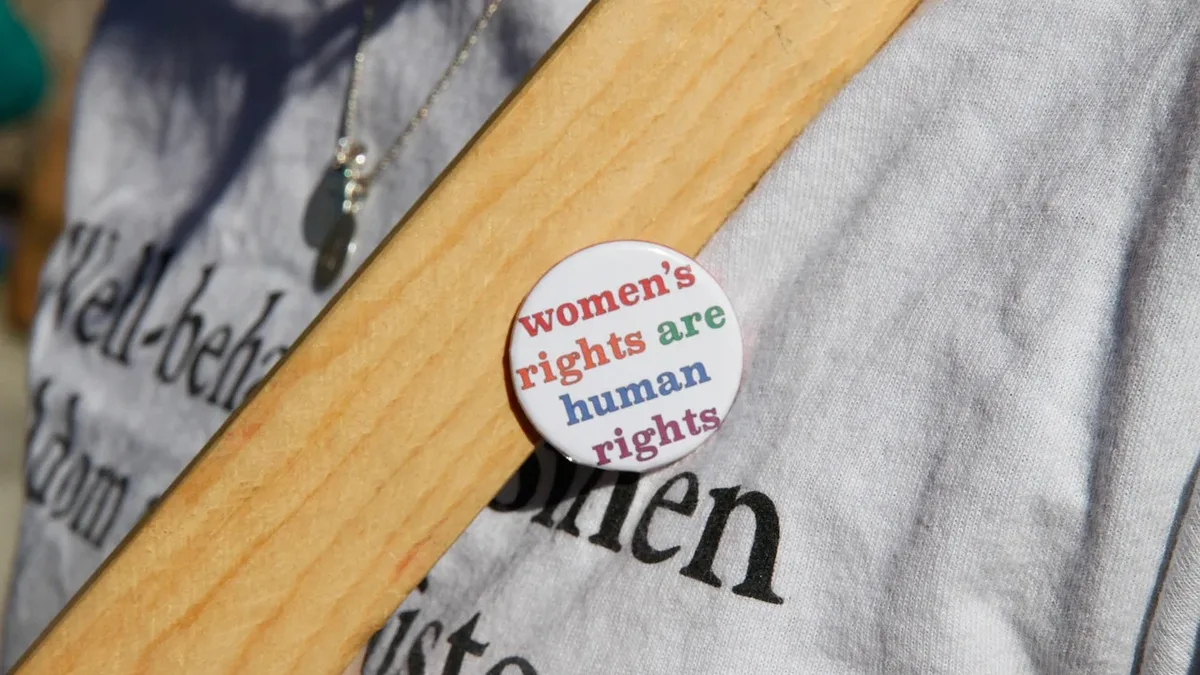
NHRCI Accreditation Review Postponed to 2026 Amid Failures
The accreditation review for India's National Human Rights Commission has been delayed to November 2026, as international bodies cite its persistent...

Navi Pillay Wins 2026 Nobel Peace Prize for Human Rights Work
South African jurist Navi Pillay has been awarded the 2026 Nobel Peace Prize for her lifelong commitment to international law and accountability for...
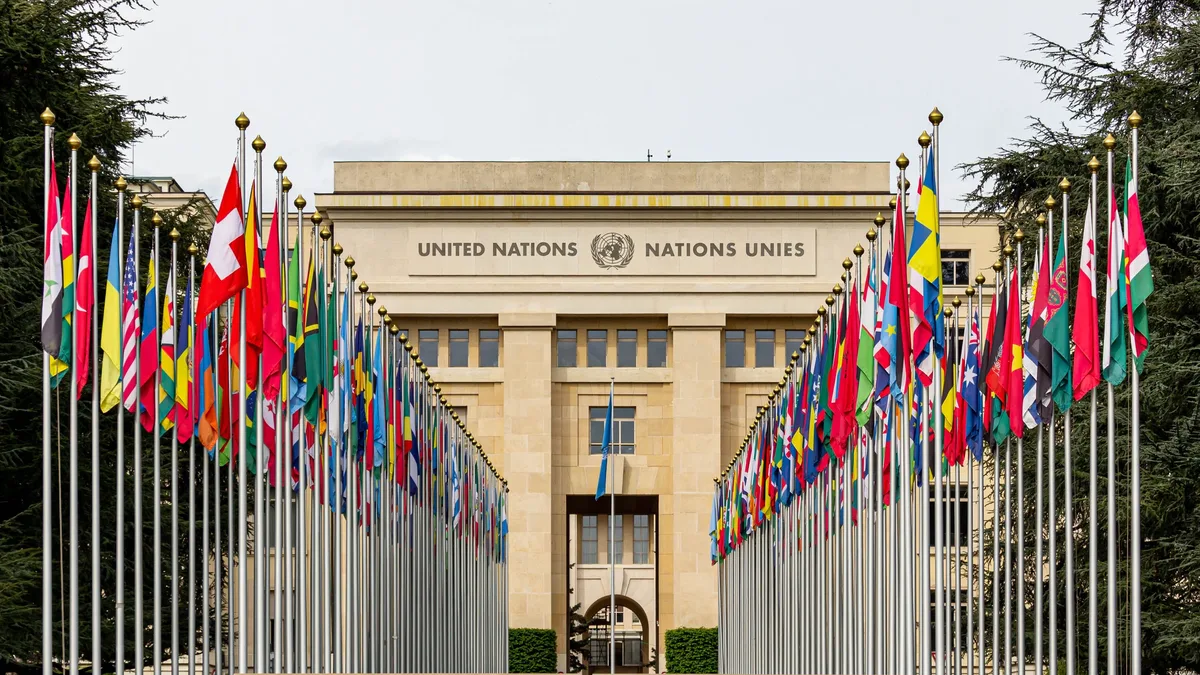
UN renews Venezuela fact-finding mission for two years
The UN Human Rights Council renewed the mandates of the Fact-Finding Mission and OHCHR office in Venezuela for two years, a move highlighting ongoing...
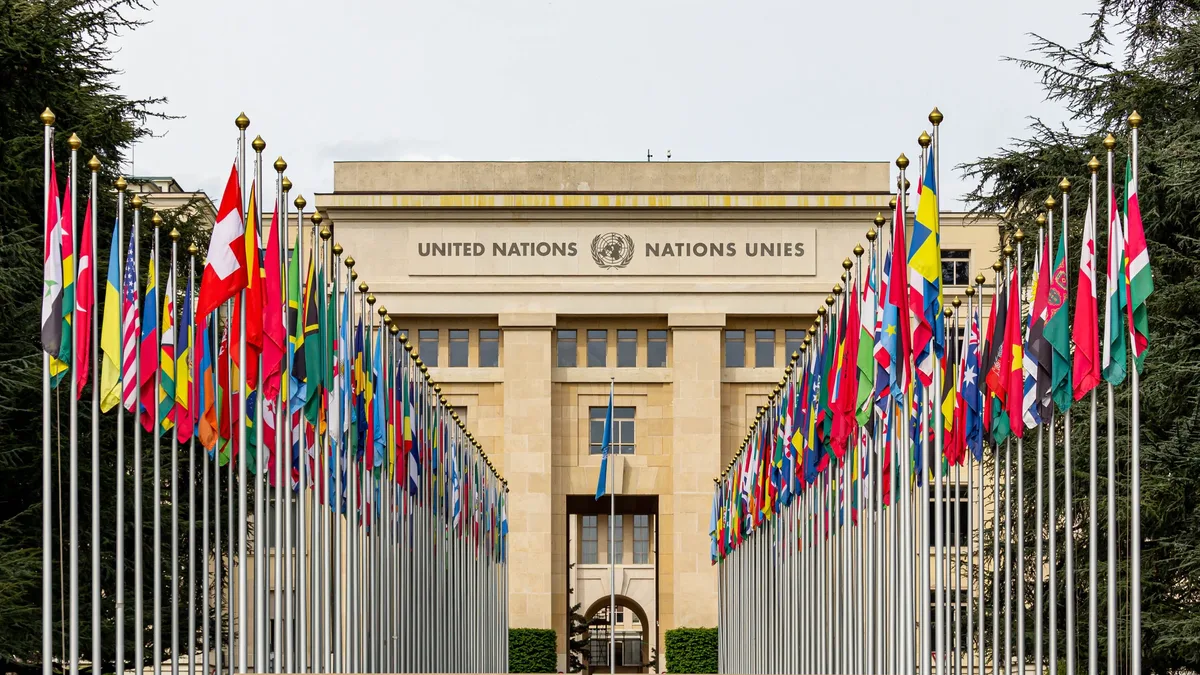
UN Rights Council Extends Bennett and Katzarova Mandates
The UN Human Rights Council renewed the mandates of its special rapporteurs on Afghanistan and Russia in October 2026, maintaining international...

Media Freedom in France Deteriorates Ahead of 2027 Election
A new report warns that political deadlock, rising far-right influence, and stalled reforms are eroding media freedom and journalist safety in France.

Amnesty International warns of renewed Ethiopia conflict
Amnesty International urges the African Union to convene an emergency session on Ethiopia as fighting intensifies.