Mass detentions target Delhi protests over electoral roll purge
Indian authorities have detained thousands of peaceful protesters, journalists, and opposition leaders in Delhi since October 2026 to suppress demonstrations against a voter roll revision that deleted over 130 million names. Security forces deployed excessive force, shut down internet and transport, and ignored Supreme Court directives, drawing condemnation from human rights groups and the UN.
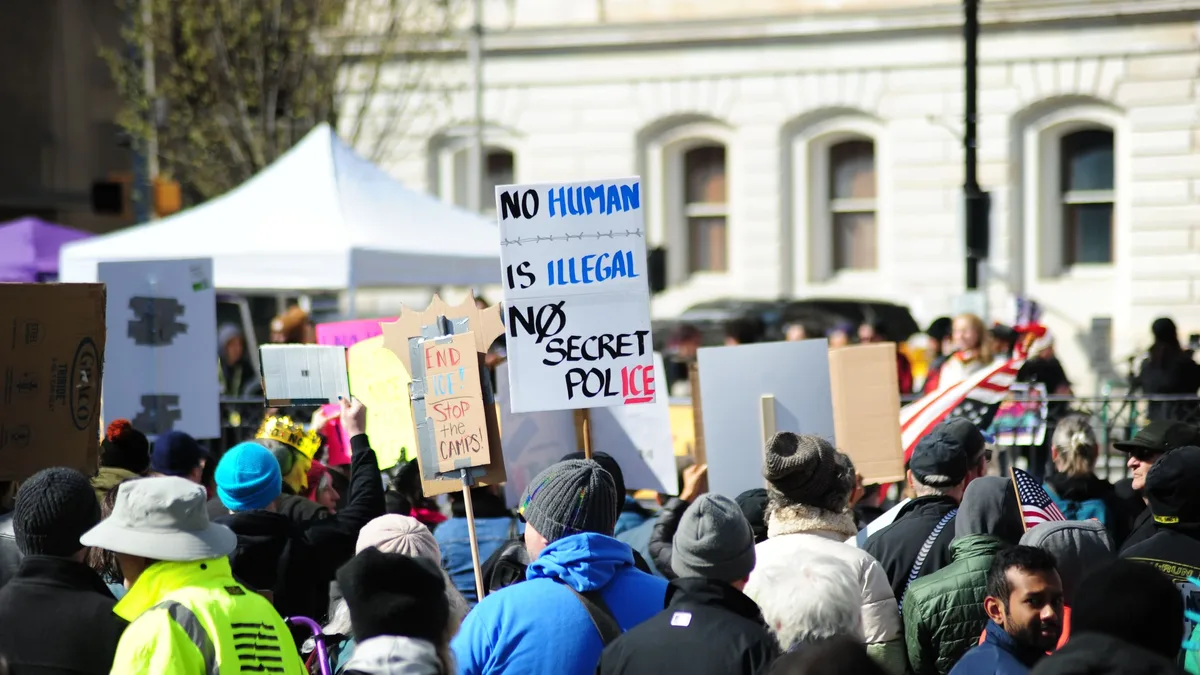
Protests erupted in Delhi over allegations that an electoral roll revision process disenfranchised millions to benefit the ruling party. Indian authorities have arbitrarily detained thousands of peaceful protesters since October 2026, including journalists and opposition leaders, according to Human Rights Watch.
Protests began on September 25, 2026, following an investigation into alleged irregularities in the Election Commission’s Special Intensive Revision process. Launched in June 2025, this process has deleted more than 130 million names from electoral rolls. The protest movement, led by the Cockroach Janata Party alongside opposition parties and civil society groups, alleges the voter roll 'purification' was designed to entrench the power of Narendra Modi’s BJP government. Their core demands are the resignation of Chief Election Commissioner Gyanesh Kumar and the scrapping of the contentious revision process.
Scale of state response
Authorities deployed tens of thousands of security forces and imposed sweeping restrictions to prevent demonstrations. More than 25,000 police and security personnel were deployed across the city, many pulled from other states. In response to a planned protest at Jantar Mantar on October 10, authorities deployed over 40,000 security forces, canceled trains, shut down 43 metro stations, and suspended mobile internet services in the central business district. Dozens of markets were also closed. Delhi police denied permission for the protest and sealed off the area before it could begin, barricading roads throughout the capital in the preceding days.
Targeting of journalists and media
Security forces arbitrarily detained journalists, assaulted them, seized equipment, and obstructed coverage. On October 10 and 11, officials arbitrarily detained at least 30 journalists covering the protests. Four journalists’ organizations condemned police actions, stating journalists were ‘bundled into buses’ used to detain protesters and that police seized some of their phones and equipment. Three female journalists alleged sexual harassment by Delhi police officers during the protests.
A journalist from Caravan magazine reported being hit on the head multiple times, slapped, and assaulted with a rifle butt by police on October 11 while recording a protester’s detention. A 31-year-old journalist told Human Rights Watch that police dragged him into a bus on October 10, ripped his shirt buttons, and detained him until the bus overheated and caught fire. A 26-year-old journalist said he witnessed at least three instances where BJP supporters and police chased protesters together, with police looking on and not intervening. A 27-year-old female journalist said a group of about five men, some wearing saffron scarves, beat protesters and targeted female journalists, while two policemen laughed nearby.
Elaine Pearson, Asia director at Human Rights Watch, stated: "Police in Delhi are responding to peaceful protests with seemingly unnecessary or excessive force and have wrongfully detained thousands of people." She urged the Indian government to direct security forces to comply with international standards.
Arbitrary detentions and custodial abuse
Thousands of protesters, including opposition leaders and civil society figures, were detained, with reports of abuse and violations of judicial orders. A home ministry official, speaking anonymously, said more than 2,000 people were detained in Delhi. Local media reported about 400 protesters were held in Mumbai. Police later said they released almost 'all 3,000 people' they detained across Delhi, but CJP’s top leadership and YouTuber Dhruv Rathee remained in custody. The CJP claimed the detainee number was much higher, with leader Ajinkya Shinde stating more than 15,000 protesters had been detained.
Police took three Cockroach Janata Party leaders into custody aboard an airplane after it landed in Delhi. They dragged several protesters from trains and buses traveling to the capital and placed some youth leaders under house arrest. In a video recorded just before police detained him, CJP founder Abhijeet Dipke said, "If you think you can stop us by threatening us with jail, then you have it wrong."
Prominent figures detained included:
On October 11, India’s Supreme Court directed authorities to ensure peaceful gatherings are not illegally detained, restore internet services, and allow free movement. Authorities have appeared to ignore these directions. The Office of the United Nations High Commissioner for Human Rights expressed concern over mass detentions, a statement the Indian Ministry of External Affairs called ‘unwarranted’ and ‘an unacceptable interference.’
Involvement of religious sites and partisan violence
Police entered religious premises to detain protesters, while BJP supporters were seen collaborating with security forces. On October 9, a police officer entered a Delhi mosque during Friday prayers to warn Muslims against participating in ‘unnecessary protests.’ The next day, police entered a Sikh temple in central Delhi to detain protesters seeking refuge there. Citizens for Fraternity-Bharat, a civil society group, questioned why police entered religious premises and called for an independent inquiry.
Peaceful protest and freedom of expression are fundamental rights protected under international human rights law that India’s leaders claim to uphold. Human Rights Watch urged the Modi government to stop throwing young protesters in jail and instead engage with them to address concerns over the right to vote and fairness of elections. Protest leaders, including Abhijeet Dipke and Dhruv Rathee, remain in detention or house arrest but have pledged to continue defending democratic rights.