India cracks down on protests against Election Commission chief
Authorities in India have imposed internet shutdowns and mass detentions to suppress protests demanding the Election Commission chief's resignation.
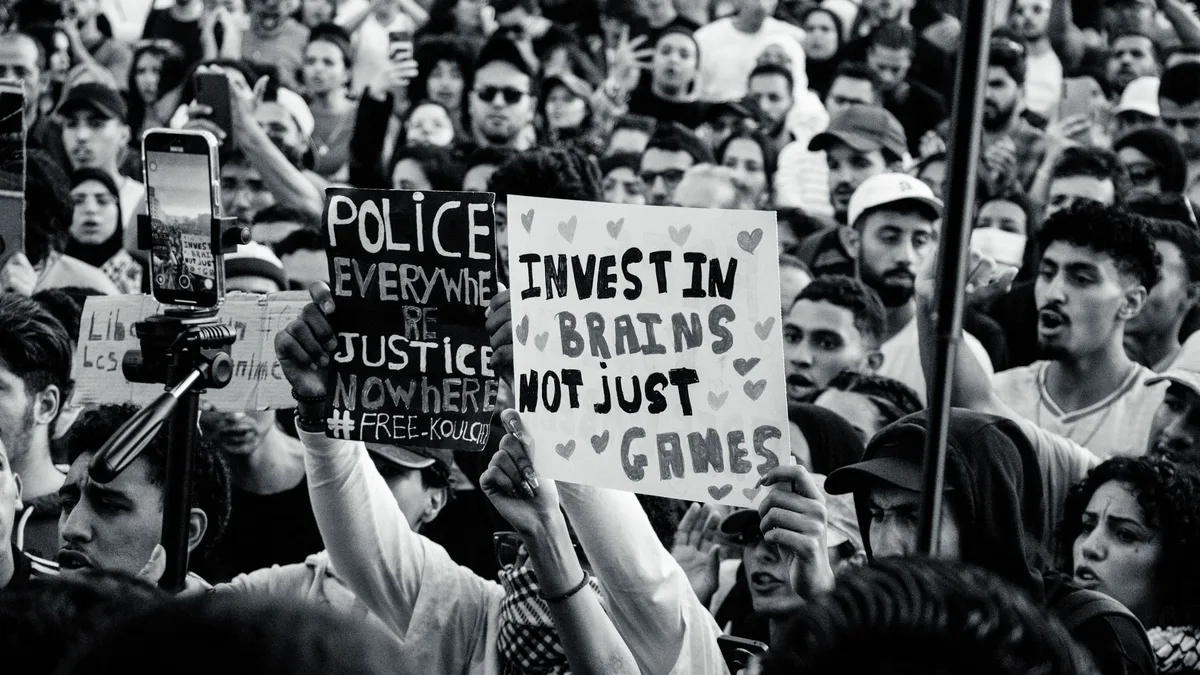
Protesters are demanding accountability after India’s Election Commission deleted more than 130 million people from electoral rolls since 2025. Authorities have responded by suspending internet services, shutting metro stations, and detaining hundreds under prohibitory orders to quell the demonstrations.
More than 133 million names have been removed from draft voter lists across 30 states and union territories since the Special Intensive Revision began last year. The Election Commission claims the procedure verifies voter eligibility by removing duplicates and ineligible entries. Critics warn the mass deletions risk disenfranchising migrants, the poor, and marginalized communities. This represents 14.1% of pre-revision voter rolls and includes a staggering 32.8% reduction in Delhi's registered electors.
Authorities impose prohibitory orders and suspend services
Delhi and Mumbai authorities have imposed Section 163 prohibitory orders to suppress peaceful demonstrations. Delhi Police used the law to prohibit gatherings of more than five people, along with slogans and speechmaking. Authorities closed at least 11 metro stations around the Jantar Mantar observatory, a key protest site, and suspended internet and public transport services. The measures have severely hindered the right to assembly and expression.
Arbitrary detentions and media suppression
Hundreds of protesters, opposition leaders, student activists, and journalists have been detained. Police cited Section 163 to justify the mass detentions, a provision critics say is misused to restrict peaceful assembly. Accounts differ on the total number detained, with figures ranging from hundreds to over 700 people in New Delhi on a single Friday. Those arrested included former Delhi Chief Minister Atishi Marlena, AAP leader Saurabh Bharadwaj, and Neha Bora, president of the All India Students' Association. Police also detained journalists covering the protests, blocking them from performing their professional duties.
Protesters demanded the resignation of Chief Election Commissioner Gyanesh Kumar, accusing him and the commission of undermining democracy. AAP spokesperson Anurag Dhanda, detained during the crackdown, stated democracy was being destroyed and accused the government of stealing votes. The protests were organized by groups including the Cockroach Janta Party, a Gen Z-led movement, student unions, and opposition parties.
Election Commission defends SIR procedures
The Election Commission denies allegations of wrongdoing, maintaining its procedures are meant to clean the rolls. However, internal dissent has emerged. Election Commissioners Sukhbir Singh Sandhu and Vivek Joshi formally objected at least 14 times over 10 months to the Special Intensive Revision procedures. They cited concerns about unauthorized or illegal actions. Critics state the nationwide verification exercise has led to millions of eligible voters being removed, an action they claim favors Prime Minister Narendra Modi’s ruling Bharatiya Janata Party.
Human rights organizations have condemned the state response. Aakar Patel, Chair of Board for Amnesty International India, said, "The right to protest is not dependent on government approval. It is protected by the Indian Constitution and international human rights law." Amnesty International accused the government of trampling fundamental rights in the world's largest democracy. The Cockroach Janta Party, which led mass demonstrations last summer, plans to expand protests nationwide in the coming days unless the Election Commission chief resigns.