UN Rights Council Extends Bennett and Katzarova Mandates
The UN Human Rights Council renewed the mandates of its special rapporteurs on Afghanistan and Russia in October 2026, maintaining international scrutiny on severe rights crises in both countries.
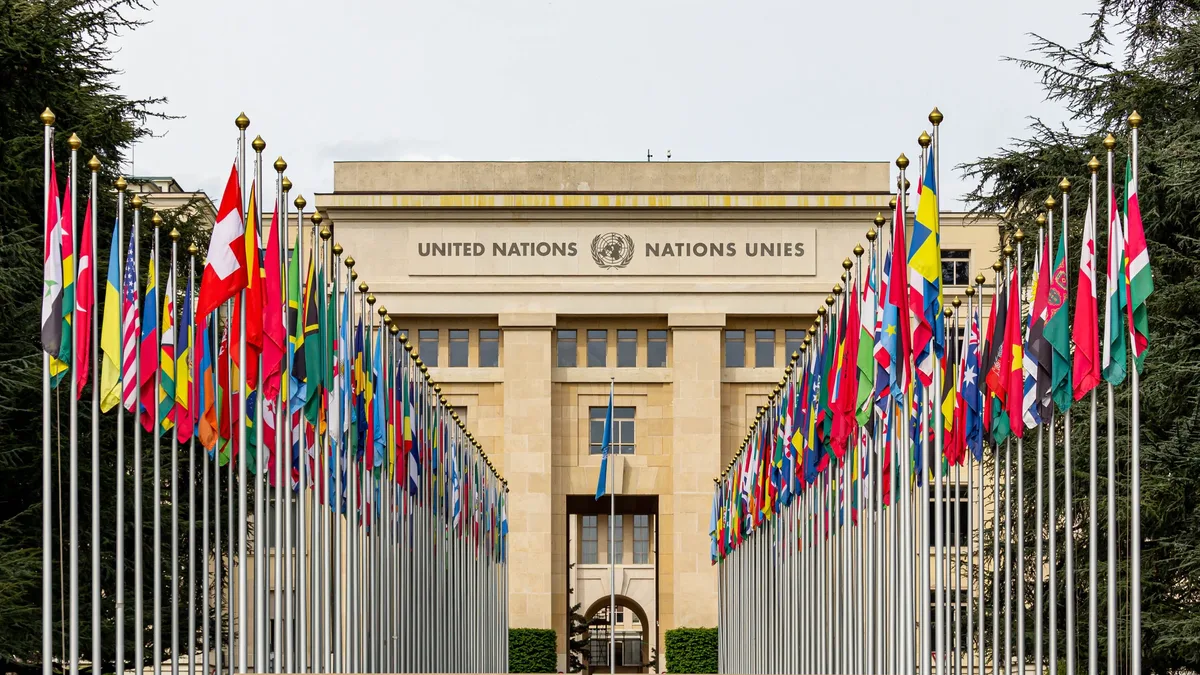
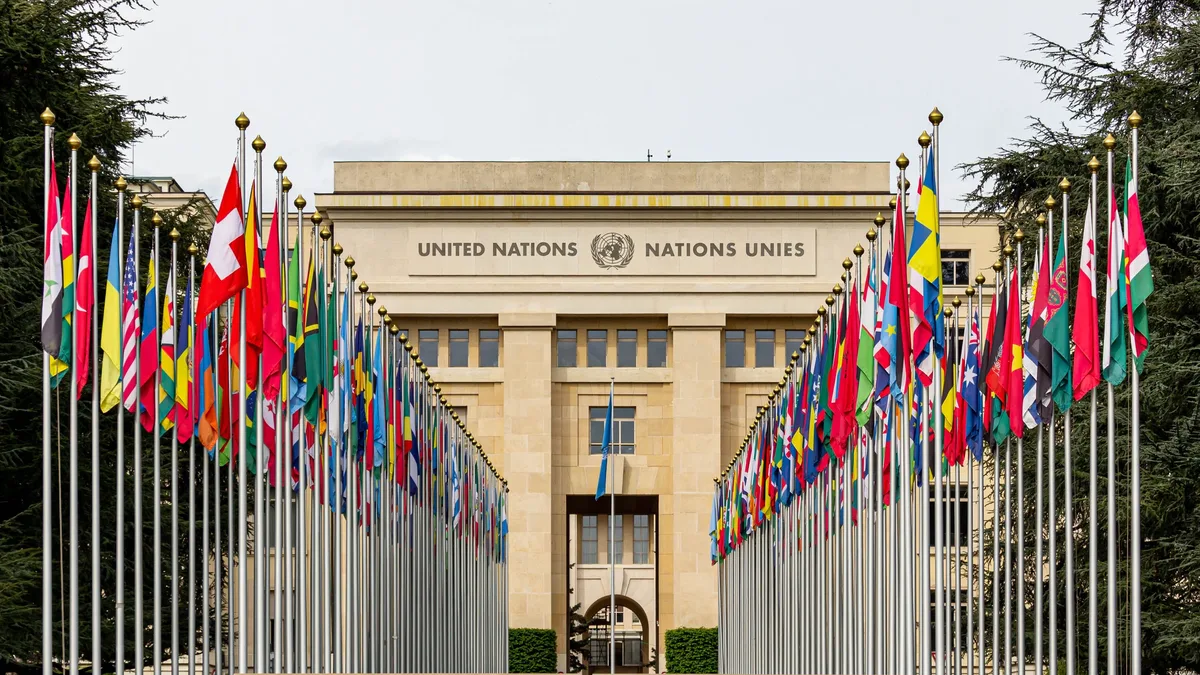
The UN Human Rights Council extended the mandates of its independent human rights monitors for Afghanistan and Russia in October 2026. The decisions, made during the council’s 63rd session in Geneva, aim to sustain accountability amid deepening repression.
Richard Bennett’s mandate to monitor Afghanistan was renewed by consensus on October 5. This marks the fifth consecutive annual extension since his appointment in 2022. Despite being barred from entering Afghanistan since 2024, Bennett continues his work through remote information gathering, interviews with victims, and reporting to UN agencies.
Focus on Afghanistan's 'Gender Apartheid'
Bennett’s latest report, covering November 2025 to August 2026, examines the consequences of Taliban policies. It focuses heavily on the rights of women, girls, children, and youth. Bennett has described the Taliban’s systemic exclusion of women from public life as constituting 'gender apartheid' and crimes against humanity. The Taliban government has accused him of propaganda and providing false information, justifying its visa ban.
Before the vote, Afghanistan’s permanent representative to the UN in Geneva, Nasir Ahmad Andisha, stressed the need for international accountability. He specifically called for the mandate's extension and urged its adoption by consensus. The council also established a new independent investigative mechanism to gather and preserve evidence of international crimes in Afghanistan.
Russia's Mandate Renewed Amid Crackdown
The same session saw the renewal of Mariana Katzarova’s mandate as Special Rapporteur on Russia on October 6. The council cited a 'continued significant deterioration' of rights inside the country. The vote was 21-5 in favor, following the withdrawal of a Russian amendment that sought to delete the renewal. The resolution was presented by Ireland on behalf of the European Union.
Countries supporting the resolution included Britain, Chile, France, Italy, Japan, and South Korea. Japan’s ambassador expressed concern about the 'continued shrinking of civic space' in Russia. Britain’s ambassador stated the mandate was about standing with those inside Russia whose voices are being denied.
Transnational Repression Highlighted
In her work, Mariana Katzarova has highlighted the Kremlin's expanding reach. She stated, "the Kremlin has increasingly resorted to transnational repression against exiled critics." New Russian legislation from August imposes severe restrictions on Russians abroad convicted in politically motivated cases.
Human rights defenders, journalists, and activists in Russia face imprisonment, exile, or silencing. Spain’s ambassador addressed Russian civil society in their own language, assuring them they are not forgotten. The resolution urges Russia to uphold fundamental freedoms of thought, conscience, and peaceful assembly.
The Special Rapporteur on Afghanistan will continue reporting through remote channels. The Russia rapporteur will focus on documenting transnational repression and ensuring these abuses remain visible to the international community.