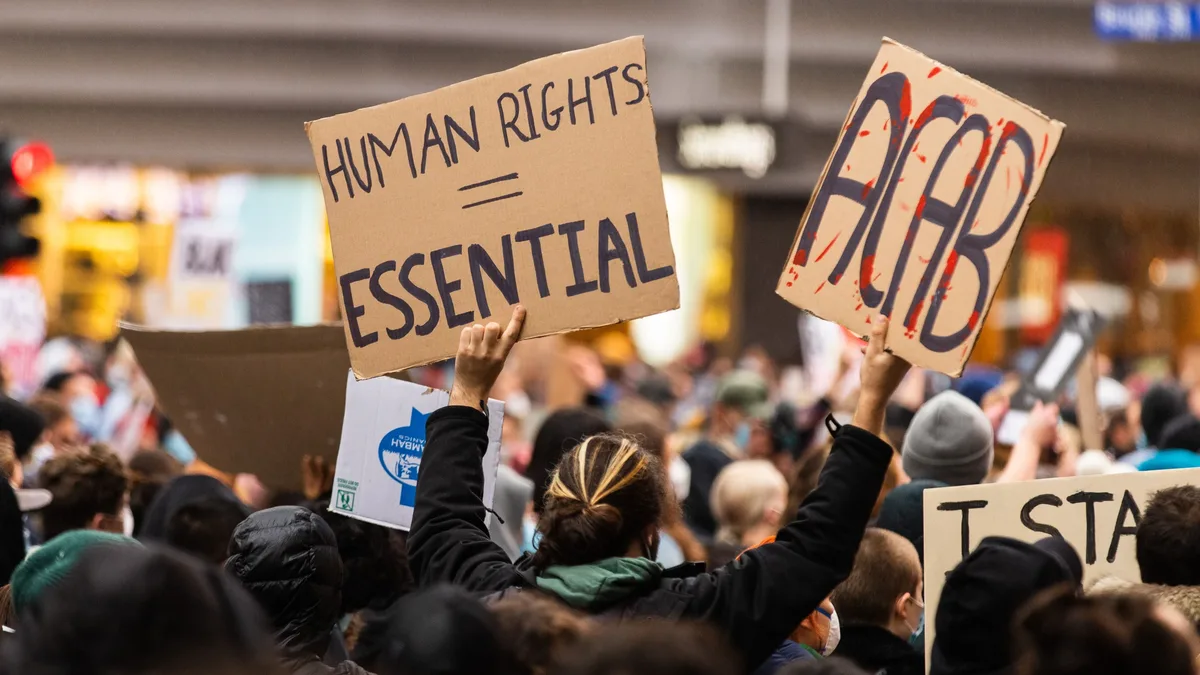
Human Rights Watch Urges Action on Xinjiang
Human Rights Watch urges the international community to intensify its response to China's alleged crimes against Uyghurs in Xinjiang.
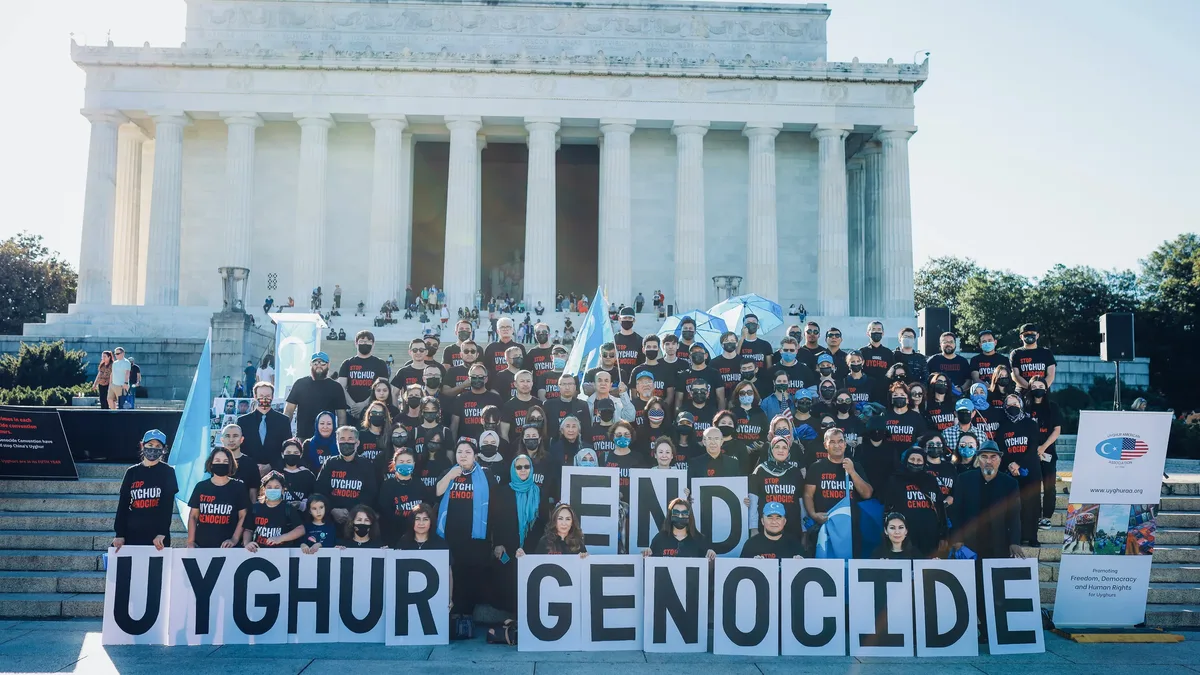
Human Rights Watch says the Chinese government’s decade-long repression of Uyghurs in Xinjiang amounts to crimes against humanity. The report cites an estimated one million Uyghurs held in political education camps.
Background of Repression
The Chinese Communist Party intensified abuses in Xinjiang in 2014 with the launch of a “strike hard campaign against violent terrorism.” Repression escalated after August 29, 2016, when former Party chief Chen Quanguo took charge. Under his leadership, the government detained an estimated one million Uyghurs in camps, many of whom remain in prison today. The region also hosts the world’s highest prison detention capacity relative to its population, according to a May 2026 Financial Times analysis. More than 140,000 children in southern Xinjiang were separated from their parents between 2017 and 2018, largely because of arbitrary detention, according to a July 2026 analysis by the Xinjiang Victims Database.
International Response
In 2021, the United States enacted the Uyghur Forced Labor Prevention Act, presuming goods made wholly or in part in Xinjiang are linked to forced labor and banning their import. The European Union followed with an import ban on products produced with forced labor. The US, EU, UK, and Canada also imposed targeted sanctions on Chinese officials responsible for abuses. Canada committed in 2023 to resettle 10,000 Uyghur refugees. The UN Human Rights Office released a landmark report on August 31, 2022, concluding that grave abuses in Xinjiang “may constitute … crimes against humanity.” Beijing dismissed the report.
The UN High Commissioner for Human Rights, Volker Türk, acknowledged in August 2024 that “many problematic laws and policies remain in place” and in February 2026 expressed regret at China’s lack of follow-up on previous recommendations. In June 2026 he raised concerns over China’s new Law on Promoting Ethnic Unity and Progress, which formalised existing policies to erase minority rights. His office has not provided substantive public updates on its monitoring of the region since 2022.
Transnational Repression
Uyghurs living abroad face severe restrictions. Chinese authorities limit their ability to contact families in China and conduct transnational repression by pressuring returnees to provide information about activists abroad. Some Uyghurs who returned to Xinjiang report being coerced into cooperating with authorities. Governments such as Thailand have deported Uyghurs to China despite the risks of torture and other abuses.
Calls for Action
Human Rights Watch urges governments to issue a strong joint statement at the upcoming UN Human Rights Council session condemning China’s crimes against humanity. It calls for a dedicated discussion to follow up on the 2022 report’s recommendations. The organization also recommends that countries adopt legislation prohibiting imports of goods linked to forced labor, specifically targeting Xinjiang products. It stresses the need to protect citizens and residents from Beijing’s transnational repression.
The report references data that can be cross-checked in our stats database. For further context, see our fixtures and squad pages. The report calls for a joint UN Human Rights Council statement condemning the crimes.