UN Reports Sri Lanka's Lack of War Crimes Accountability
A new UN report finds Sri Lanka's government has made little progress on justice for war-era atrocities, failing to repeal repressive laws or establish
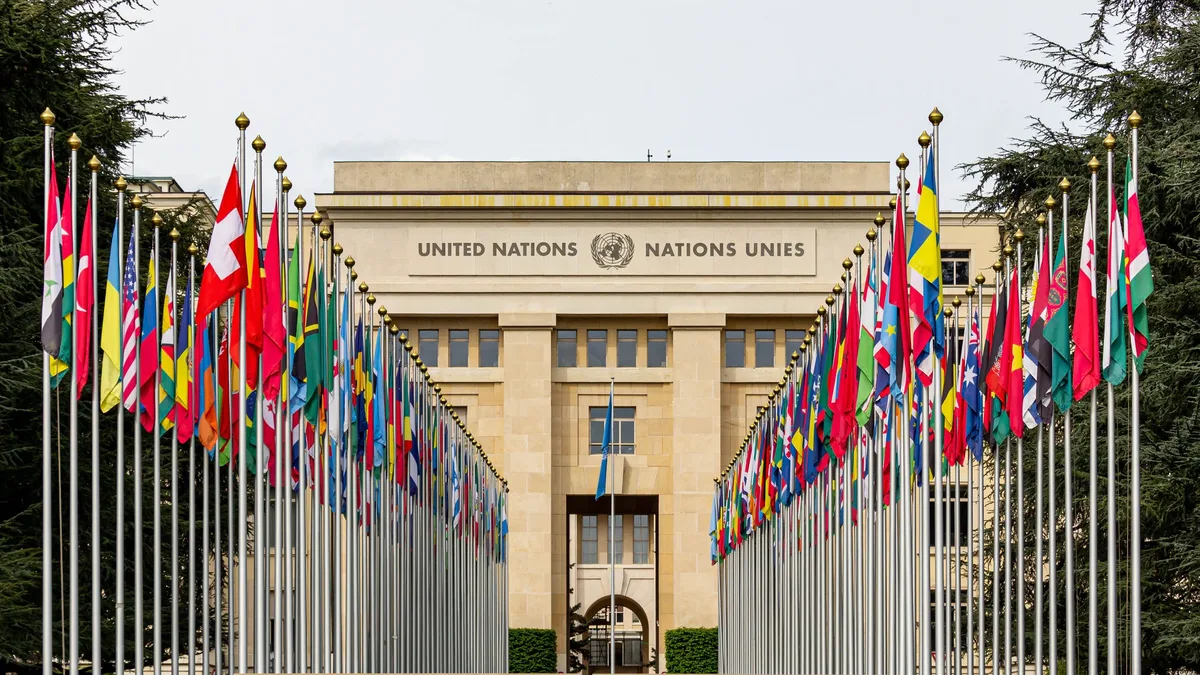
Seventeen years after its civil war ended, Sri Lanka has seen little progress on justice for international crimes, according to a new United Nations report. The UN High Commissioner for Human Rights, Volker Türk, released his assessment on September 3, detailing the ongoing human rights situation under President Anura Kumara Dissanayake's government, which took office in September 2024.
Beyond limited advances in a few specific cases, the report concludes there has been no broader accountability. Volker Türk's office stated there is "no recognition or accountability for crimes under international law, gross human rights violations, and serious violations of international humanitarian law committed by all parties" during the conflict with the Liberation Tigers of Tamil Eelam, which concluded in 2009.
Persistent Impunity and Broken Promises
The Dissanayake administration initially promised justice for past violations. However, the UN report and a separate September 1 assessment from Human Rights Watch document a widespread failure to follow through. The government has not established an independent public prosecutor's office, nor has it undertaken the necessary legal or structural reforms for genuine accountability.
Sri Lanka has also refused to engage with a key UN mechanism established to gather evidence. The government has not accepted the Sri Lanka Accountability Project, which was created by the UN Human Rights Council to collect and preserve evidence of serious abuses.
Ongoing Repression Under Security Laws
Authorities continue to use the Prevention of Terrorism Act to harass and arrest critics. Human rights defenders, journalists, and families of victims face surveillance and questioning by state intelligence agencies, particularly in the northern and eastern regions of the country.
The UN high commissioner has called for an immediate moratorium on using this law until it is repealed. The report also demands the release of individuals who have been detained under the act for long periods without trial.
Key Cases Stalled
Human Rights Watch corroborated the UN's findings, noting progress only in a handful of emblematic cases. Major investigations into widespread atrocities remain stalled. The organization reported no movement in cases concerning enforced disappearances, the killing of aid workers, or the targeted attacks on journalists.
Required Reforms and International Role
The report outlines urgent steps the Sri Lankan government must take to break the cycle of impunity. It calls for long-pending legal and structural reforms, the repeal of repressive laws, comprehensive security sector reform, and concrete actions toward reconciliation. Without these measures, the trust deficit among victims will deepen.
The Office of the UN High Commissioner for Human Rights should continue monitoring the government's progress on accountability for international crimes. The report urges UN member states at the Human Rights Council and other countries to pressure the Dissanayake administration to fulfill its commitments to truth and justice. Two decades after the war's end, families of the victims are still waiting for answers.