Pakistan Press Foundation Warns New Media Rules Will Fuel
The Pakistan Press Foundation warns that the government's 2026 Foreign Media Facilitation Guidelines, mandating registration for all journalists working
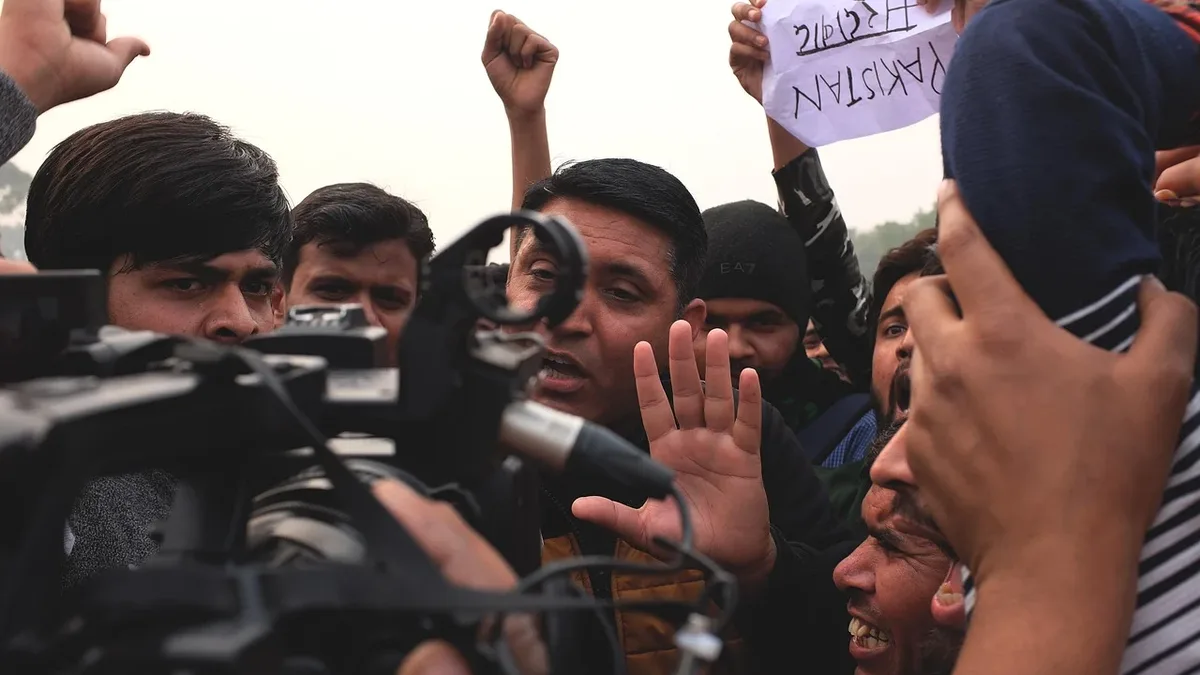
The Pakistan Press Foundation (PPF) has warned that new government guidelines for foreign media will intensify disinformation and damage press freedom. Issued in August 2026, the Foreign Media Facilitation Guidelines require all journalists in Pakistan contributing to international outlets to register with a government wing.
PPF stated the policy could have an adverse effect on press freedom and the media's ability to report. The organization argues that restricting verified news from registered outlets will diminish the information landscape, creating a vacuum that misinformation can fill.
Mandatory Registration for All Contributors
The guidelines mandate registration for a wide range of contributors. The policy applies to foreign media organizations working in Pakistan and all Pakistani individuals working for them. The required registration covers numerous roles, from regular staff to freelancers and fixers.
According to the official text, "All journalists residing within Pakistan, contributing to foreign media in any capacity, i.e., regular, freelancer, contributory, stringer, retainer, sponsor, fixer, assignee, attached etc." The EP Wing, or External Publicity Wing of the Ministry of Information and Broadcasting, holds the power to approve or reject any accreditation application.
Vague Powers and Appeal Process Criticized
Critics highlight the vague discretionary powers granted to authorities under the new system. The guidelines state that journalists can appeal a rejection to the Secretary of the Ministry of Information and Broadcasting. However, the PPF notes the rules do not clarify if the EP Wing must explain its reasons for denial.
This opaque process poses a practical threat to reporting. Even with an appeal right, the lengthy procedure could extend beyond a journalist's reporting window, leaving them unable to work on time-sensitive stories.
Journalist Unions Condemn 'Attack' on Expression
The guidelines have drawn condemnation from major journalist organizations within Pakistan. The Pakistan Federal Union of Journalists (PFUJ) has condemned the policy. In a statement, PFUJ President Afzal Butt and Secretary General Arshad Ansari said the notification amounts to an attack on freedom of expression.
They said the government has restricted the movement of Pakistani media persons working with international outlets, in addition to existing bans on foreign journalists visiting most areas of the country. Karachi Press Club President Fazil Jamili termed the new guideline "aggressive."
"Mandatory registration, strict NOCs for travel outside major cities, & vague grounds for cancellation are clear steps to suppress independent reporting," Jamili said. The Human Rights Commission of Pakistan (HRCP) has also expressed deep concern over the guideline.
Context of Recent Media Restrictions
The warning comes amid a context of recent state actions against specific media platforms. Just days before the guidelines were published, the Ministry of Information and Broadcasting criticized Al Jazeera for what it called "selective reporting from handpicked polling stations in Muzaffaragar."
Since that official notice, Al Jazeera's website has not been accessible in Pakistan. The PPF expressed concern over this approach of placing blanket bans on entire media platforms in response to their coverage. The organization urges authorities to reconsider the registration policy and work towards upholding constitutional rights to free expression and access to information.