Amnesty International Documents Mali War Crimes by FAMa
A new 75-page report details war crimes by Malian armed forces and Wagner Group personnel between 2023 and 2025, including the unlawful killing of at least
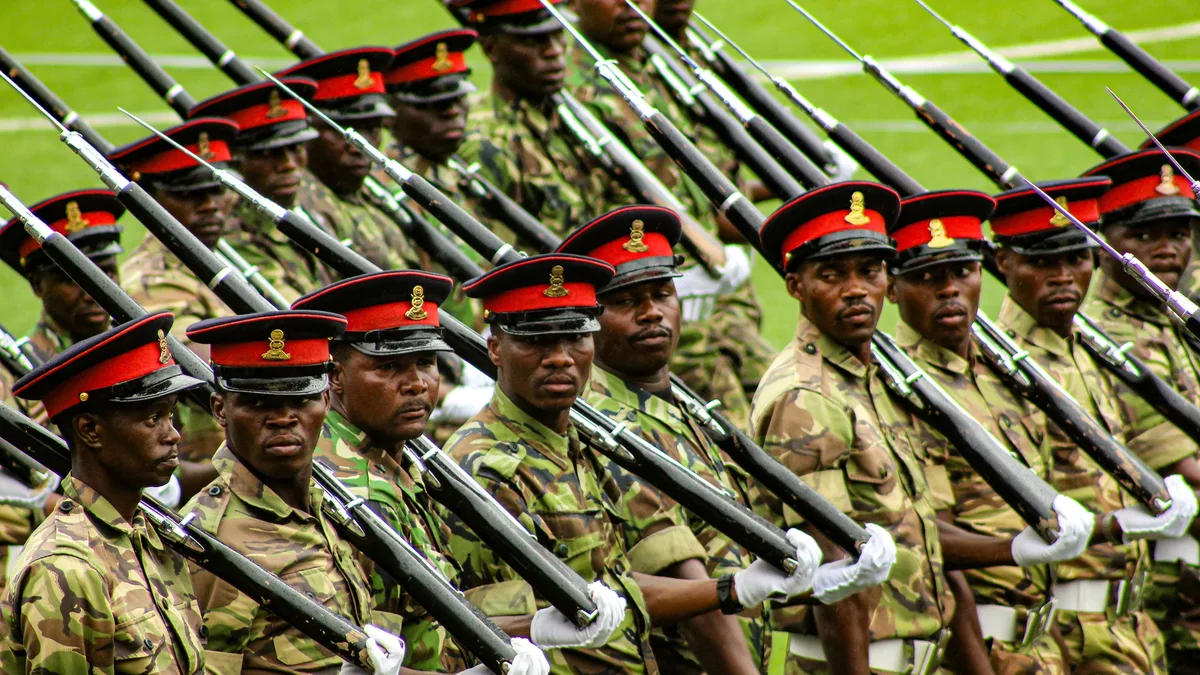
Amnesty International has documented war crimes committed by Mali's armed forces (FAMa) and the Russian Wagner Group between 2023 and 2025. The 75-page report, titled 'No one is spared', details unlawful killings, torture, and the destruction of civilian property in the Ségou, Mopti, and Timbuktu regions during joint operations.
Marceau Sivieude, Amnesty International’s Director for West and Central Africa, said the findings paint a harrowing picture of civilians trapped in conflict. The Wagner Group, a Russian private military company, was active in Mali from late 2021 until June 2025. The report documents a pattern of enforced disappearance, pillaging, and systematic impunity.
Civilian killings and drone strikes in markets and homes
At least 34 civilians were killed in seven localities between June 2023 and December 2025. None were taking part in hostilities. Victims were deliberately shot while fleeing or after arrest. Some had their throats slit, were burnt alive, or killed post-mortem.
Two FAMa drone strikes killed at least 23 people, including five children. The first hit a market in Ejdeir on 16 March 2025. The Malian military claimed it targeted 'terrorist gatherings'. According to seven interviewees and civil society groups, all 16 people killed and seven injured there were civilians. The second strike hit a family home in Tangata in November 2025. In Tin Adanda, four people were killed during a joint patrol on 12 February 2025.
Systematic torture and ill-treatment in detention
Amnesty interviewed 15 male survivors of torture from three regions. Torture occurred during joint patrols or in the Léré and Nampala military bases. Eyewitnesses reported five deaths in the bases from torture and poor conditions.
Detainees had no judicial oversight. They were held from one day to four months without access to lawyers or families. Methods included suspension from a metal bar, simulated drowning, beatings with iron bars and sticks, and electric shocks. Wagner members mostly carried out the acts, with FAMa members sometimes serving as interpreters or standing by.
Targeting of pastoralist communities on ethnic grounds
The vast majority of victims were Fulani, Arab, and Tuareg herders. They were suspected of colluding with armed groups based solely on ethnicity and location. Amnesty interviewed 119 refugees from the affected regions.
A herder from Ségou region now in Mauritania explained the perpetrators' mindset. "In their minds all herders are terrorists, and as a result they do not hesitate to burn people and property," he said. Hana, a survivor in Mauritania, lost two sons and a cousin who were arrested and killed. She described the operatives as mostly white men accompanied by FAMa.
Refugee crisis and lack of accountability
Amnesty conducted research in ten localities in Mauritania's Hodh ech-Chargui region from 2025 to 2026. As of 31 July 2026, the UNHCR had registered 290,000 Malian refugees there.
The International Criminal Court has investigated Mali since 2013. Mali notified its withdrawal from the Rome Statute in June 2026. This does not affect ongoing investigations. The ICC maintains jurisdiction over crimes committed between January 2013 and 23 June 2027.
Amnesty International shared the report’s findings with the Malian authorities on 3 August 2026. No response had been received at the time of publication.