Human Rights Watch Urges New Congress to Prioritize Oversight
Following the 2026 midterm elections, Human Rights Watch calls on the new Democratic-controlled Congress to address domestic and international human rights abuses, restore oversight, and hold the Trump administration accountable.

The newly elected US Congress consists of a majority of Democrats controlling both the House and Senate following the November 3, 2026 midterm elections. Human Rights Watch has urged this new legislature to prioritize human rights oversight and accountability both at home and abroad.
Human rights priorities outlined by watchdog
Human Rights Watch stated the new Congress should prioritize respect and protection for human rights domestically and globally. Michael García Bochenek, interim US program director at the organization, said the new Congress should challenge the Trump administration's abuses and use its oversight authority.
"This newly elected Congress will convene at a critical moment for human rights domestically and globally," Bochenek said. He added that lawmakers should embrace their oversight authority and act decisively to respect, protect, and fulfill human rights.
Key oversight and accountability demands
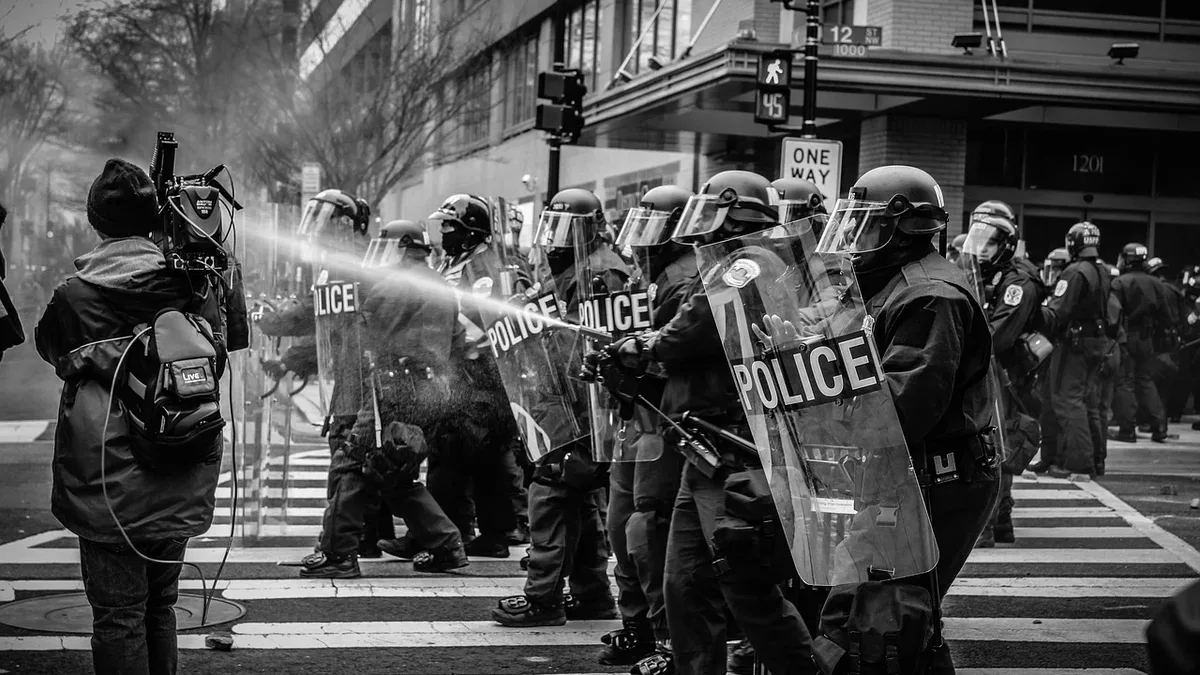
Lawmakers should address immigration enforcement abuses by the Department of Homeland Security, Immigration and Customs Enforcement, and Customs and Border Protection. These agencies have been linked to arbitrary detention, serious injuries, and unlawful killings. The new Congress is urged to reconstitute and strengthen transparency and oversight mechanisms for immigration enforcement and implement meaningful protections against excessive force.
Accountability for officials responsible for human rights violations in the last two years must be pursued. Representative Robert Garcia, the incoming chair of the House oversight committee, will focus on DHS and ICE abuses and warned officials to 'lawyer up'. Congress should restore gutted oversight bodies to full force to prevent abusive practices with impunity.
The legislature must also mandate actions to repair harm and provide remedies for discrimination in voting, policing, education, and housing caused by the Trump administration. Oversight hearings are needed on the collapse of civil rights enforcement capacity at several key agencies.
Congress should provide appropriations for these agencies explicitly directed to civil rights enforcement. It should also pass legislation allowing private individuals to file suit under the Civil Rights Act for disparate impact claims from government actions.
On foreign policy, Congress failed to implement adequate safeguards for the Trump administration's serious violations of the laws of war in Iran. It oversaw the gutting of US foreign assistance and approved a bill to claw back approximately $9 billion of previously approved aid, including support for human rights. The new Congress should look to restore this funding, particularly for human rights programs, in future appropriations.
It should also demand the Department of Defense release its report on an unlawful strike on a primary school in Minab, southern Iran, that killed over 150 people, mostly children. An analysis is needed on whether dismantled civilian harm mitigation structures contributed to other unlawful strikes.
Foreign policy and legal violations
The Trump administration removed tens of thousands of third-country nationals to countries where they faced human rights violations and risk of persecution. In one instance, the administration sent Venezuelan nationals to El Salvador's CECOT prison, where they were subjected to systematic torture and sexual violence. The new Congress is called to reassert scrutiny over foreign policy and security cooperation.
Preparation for congressional scrutiny
Election Day can quickly change committee leadership and investigative priorities. Companies do not need to wait for the results to begin assessing where they may face congressional scrutiny. The agendas are already discernible. Democratic lawmakers have identified investigations they may pursue if they gain control, while existing Republican investigations could continue if the current majority remains in place.
Private companies may become important sources of documents and testimony, particularly where Congress encounters resistance from the executive branch. The transition period gives companies time to understand their own records and address issues before a committee sends its first request.
Companies should look beyond which party controls a chamber. Committee leadership and existing inquiries matter, but prior investigative letters may provide a better indication of where scrutiny may develop. House Democrats have discussed scrutiny of the Trump Administration, the President’s family and business dealings, immigration enforcement, federal agencies, and other administration actions.
Democratic lawmakers have signaled interest in companies and individuals that dealt with the White House or executive branch agencies. Companies that interacted extensively with the Administration should consider what records exist and how those interactions would look if examined by a congressional committee. They should be ready for investigations to move quickly.
The most useful exercise is a targeted review of issues where the company’s operations intersect with subjects already drawing congressional attention. The focus should be on the company’s own facts. For companies that dealt directly with the White House or federal agencies, that review should include significant government interactions and the communications surrounding them. Counsel should consider whether the company’s internal record matches what the company has said publicly or to regulators.
A congressional inquiry can create or accelerate scrutiny from state attorneys general or other enforcement authorities. Some companies may benefit from a targeted internal review of particularly sensitive areas. The goal is to identify where congressional scrutiny would create the greatest difficulty and address obvious issues while there is still time to do so deliberately. A statement made several years earlier can become significant if committee staff later obtains records that appear inconsistent with it. A company should know where those issues exist before an executive or employee is asked to explain them. The objective is simple: become familiar with the record the company may eventually be asked to defend.