Hungary's 2026 media reforms mark historic break from repression
International human rights monitors have declared Hungary's 2026 media reform program a historic break from 16 years of state control.
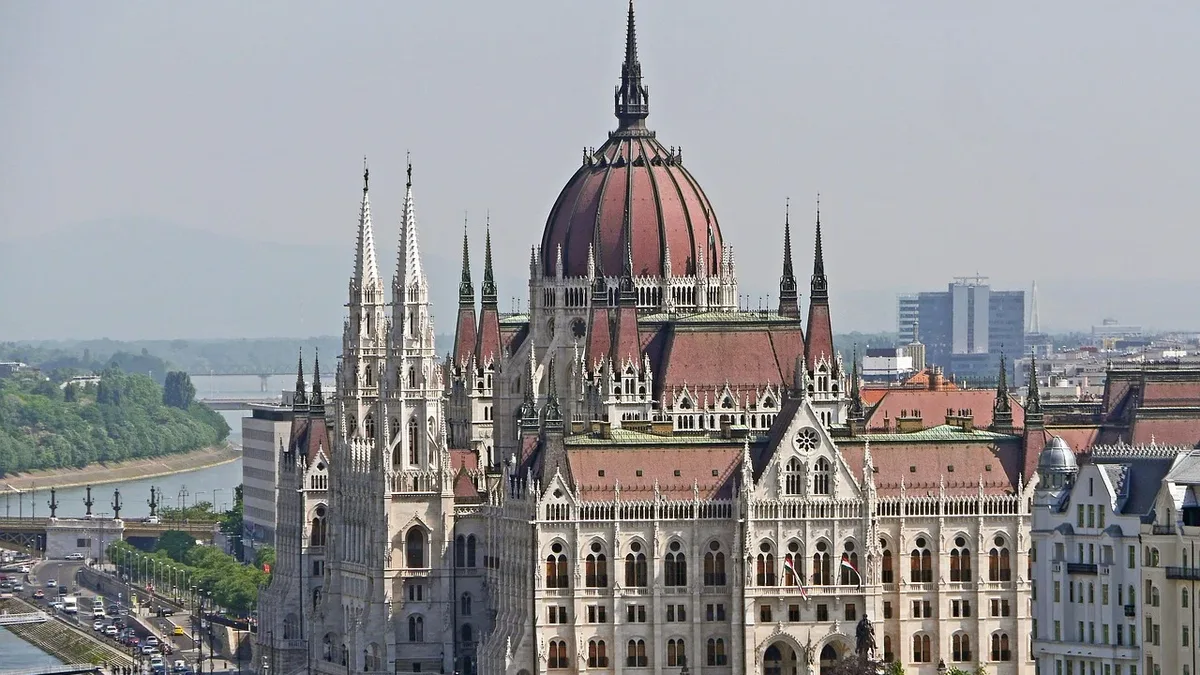
A delegation of international human rights organizations has concluded that Hungary's 2026 media reforms represent a historic break with one of the worst crackdowns on press freedom in the history of the European Union. The changes, described as a breath of fresh air after 16 years of serious democratic backsliding, were assessed during a fact-finding mission to Budapest from November 4-6, 2026.
The delegation emphasized the importance of ensuring that no future government can seize control of the media. "This creates a significant opportunity to rebuild independent and pluralistic media institutions," the delegation said. The initial wave of reforms, adopted in summer 2026, has already dismantled key institutions from the Fidesz era.
2026 reforms aim to restore independent media governance
The planned reforms for 2026 are extensive and focus on institutional autonomy. They include the creation of an Independent Public Media Board and the merger of the state media fund MTVA with Duna Média into a new public media company called MRTV. The Hungarian news agency MTI is also set to regain its institutional autonomy under a new law.
Other key measures for the year include the appointment of a Ministerial Commissioner for Public Service Media and an interim CEO to manage the public media transition. The government has proposed a budget reduction for public media and plans to select new chief executives for MRTV and MTI through an open tender process. A financial audit of public media is also planned for 2026, with its findings to be published.
International monitors urge sustained action beyond initial reforms
The Committee to Protect Journalists and 12 partner organizations welcomed the initial steps. They specifically praised reforms to public media governance, the dismantling of the Sovereignty Protection Office, and moves toward restoring independent regulation. The establishment of a Press Fund was also welcomed.
However, the delegation warned that "the real test is still to come." They called for a structured and inclusive consultation process with experts for the next wave of reforms. Stronger safeguards against future political interference and a transparent system for allocating state advertising are deemed essential. The organizations also called for further measures to protect independent journalism, including the inclusion of domestic cases in the proposed Anti-SLAPP bill and the creation of an emergency fund for local media.
A critical outstanding demand is for accountability over the past use of Pegasus spyware against journalists under the former government of Viktor Orbán. The delegation stressed the need for transparency, accountability, and redress regarding politically motivated surveillance dating back to 2010. They also called for amendments to the Data Protection Act to include exemptions for journalistic work.
The success of this historic break from repression hinges on completing the second phase of reforms with robust safeguards. A full report with detailed findings and recommendations will be published in the coming months.