Philippines Anti-Disinformation Bill
A 2026 Philippine bill imposing harsh penalties for 'false information' is criticized by rights groups as a tool to silence dissent and target journalists.
The Philippine House of Representatives approved the Digital Media Anti-False Information Act, or House Bill 9465, on June 3, 2026. Authored by House Majority Leader Sandro Marcos, the president's eldest son, the bill passed with a vote of 286-3 and is a top administration priority aimed at dismantling coordinated troll farms and foreign influence operations.
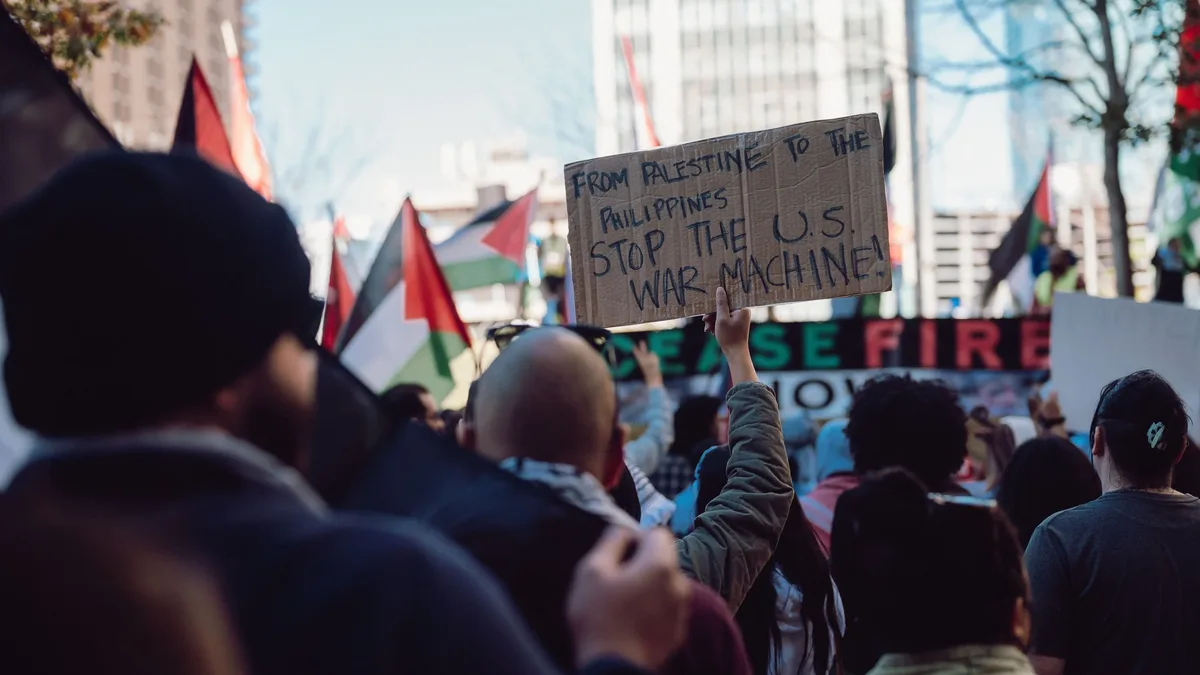
Critics, including free speech advocates and human rights groups, warn the legislation could be weaponized to silence public dissent. They point to the irony of its authorship, as President Marcos Jr. was widely documented as a primary beneficiary of a massive disinformation campaign that helped return his family to power in 2022.
The State as Arbiter of Truth
A core criticism is the bill's positioning of the government as the final judge of truth. Justin Daduya of the SIGLA Research Center called this a "dangerous proposition." The IBON Foundation warned the bill is anchored on the dangerous assumption that government authorities can determine truth, threatening independent economic analysis. The Movement for Media Safety Philippines argued the antidote to falsehood is not government control but greater transparency, independent journalism, and democratic debate.
Harsh Penalties and Vague Definitions
The bill mandates severe penalties, which advocates say specifically target the press. Violators face six to 12 years in prison and fines from PHP500,000 to PHP2 million. Carlo Nazareno of Democracy.net.ph noted that being a "media personality" is an aggravating circumstance leading to increased penalties, a provision he said creates a "chilling effect for journalists." Cristina Palabay of Karapatan said these penalties stifle independent journalists and activists.
Critics also warn the bill's vague language invites political abuse. Lian Buan of Human Rights Watch said the "vague and overly broad language" can be weaponized by whoever holds office. Former Rep. Arlene Brosas noted terms like "reckless disregard" and "serious threat to national security" are open to politically motivated enforcement. Palabay compared the bill to the Anti-Terrorism Act, allowing arbitrary censorship.
Punishing Users and Enabling Censorship
Critics argue the bill targets individual users while shielding major platforms. Media groups cited in reports believe it risks criminalizing the 'small fry' while failing to address the platforms and algorithms that drive disinformation at scale. Daduya said the bill includes a "liability shield" for social media giants.
The proposed law also grants extensive state-directed censorship powers. Nazareno highlighted that the Senate version's Digital Media Integrity Council, composed mostly of executive agencies, has internet content takedown powers. This council can order removal within 48 hours based on its own finding, a function the Supreme Court ruled requires a court order. Brosas warned harsh fines may encourage platforms to remove lawful content to avoid liability. The Council for People’s Development and Governance characterized the measure as "a mechanism for state-directed, platform-enforced censorship."
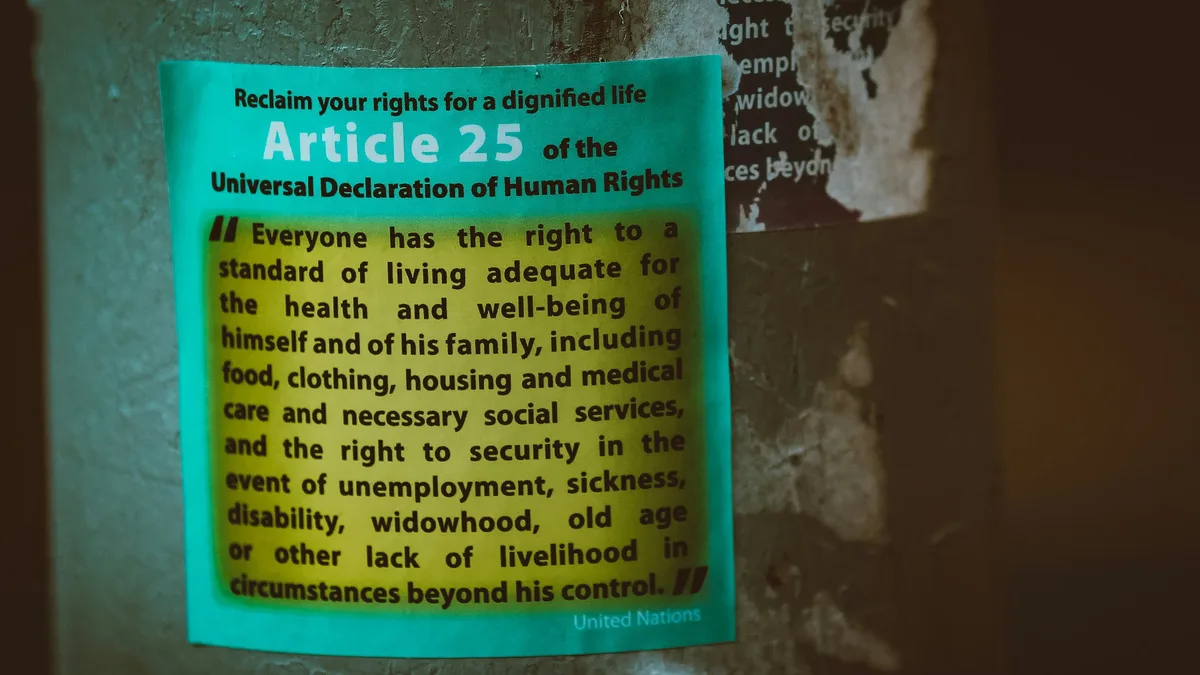
Instead of this bill, advocates call for a rights-based approach focused on platform accountability, media literacy, and strengthening the Freedom of Information law. The pushback centers on rejecting the government as the sole arbiter of truth to protect the public's right to know, a principle central to international civil rights frameworks.