Ad tech surveillance threatens journalists
Research from CPJ and Harvard's Carr-Ryan Center details how ad tech surveillance endangers journalists. The report provides practical steps to disable tracking IDs, limit data harvesting, and remove personal information from data brokers.
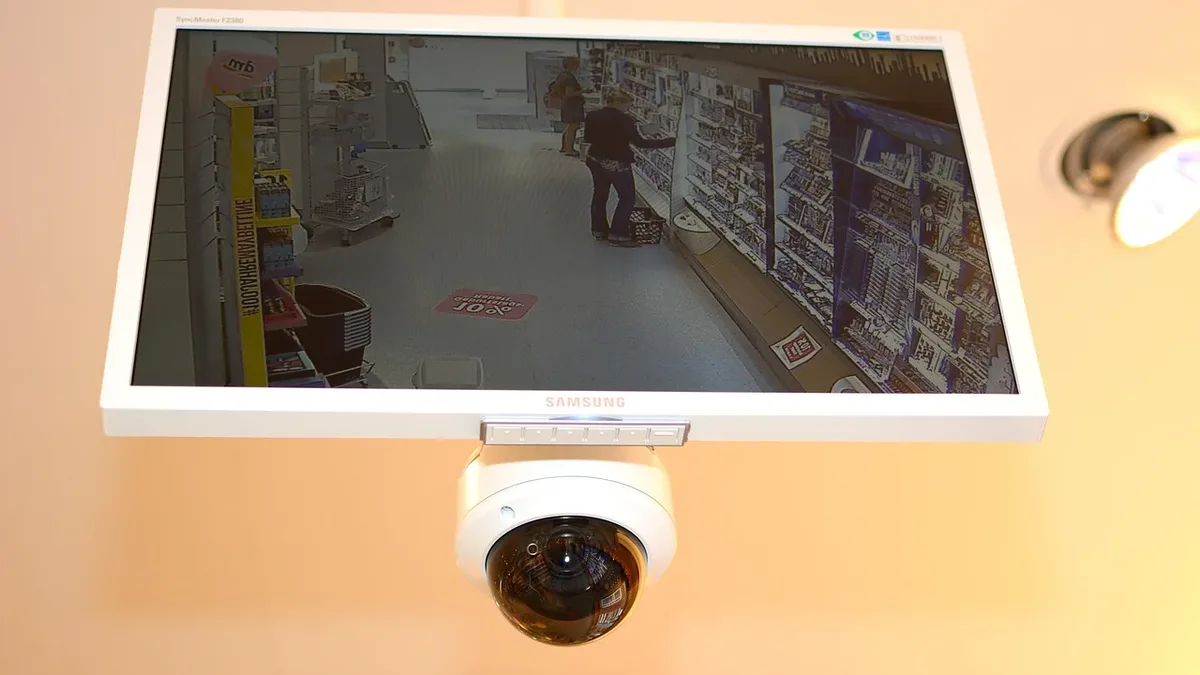
Journalists face significant risks from the pervasive surveillance architecture of online advertising technology, according to research published by the Committee to Protect Journalists and the Carr-Ryan Center for Human Rights at the Harvard Kennedy School. The tools that enable targeted advertising harvest and distribute user data, building individual profiles that can be acquired by private companies, governments, or other actors.
This data collection poses a threat to journalists both at home and in exile. While structural change is needed to address the systemic nature of these threats, individuals can take specific actions to limit the information gathered about them through these advertising systems.
Disable advertising IDs and adjust settings
A primary defense involves disabling the unique advertising identifiers on devices and adjusting account privacy settings. The Electronic Frontier Foundation has found that sharing location with an app can mean that data is shared with various third parties. The following table consolidates key steps for major platforms as outlined in the source.
These steps help reduce the flow of personal data into the ad tech ecosystem.
Limit tracking from online ads
Beyond device settings, users can employ technical tools to block tracking. The Electronic Frontier Foundation's Privacy Badger is a free browser extension that blocks advertisers and other third parties from tracking online activity. Using other ad blockers can reduce the number of ads shown, thereby curbing engagement with the digital advertising system and the volume of data collected.
Ad blockers only function within internet browsers, not inside apps. Being mindful of downloaded apps is crucial, especially those requesting location access. Such apps may contain software development kits that collect sensitive data for sharing and sale. Tools like Exodus or App Microscope can help reveal privacy concerns associated with specific applications.
Remove data from the internet
For data already circulating, individuals can work to have it removed. Free, open-source resources like CPJ's guide to removing personal data, BADBOOL, and the glamrock data-broker tool allow users to manually request removal from various online data brokers and public databases.
Private companies such as Brightlines and DeleteMe offer paid services to handle these removal requests. The source notes that these companies may take up to 30 days to delete information.
Guard against related digital threats
The CPJ guidance also connects ad tech surveillance to broader digital safety issues. To assess exposure, journalists can use tools like The New York Times's guide to 'doxxing yourself' to see what personal data is already available online. This helps determine risk profiles and next steps for minimizing exposure.
Specific CPJ guidance is also referenced for defending against ad-delivered spyware and for protecting against and responding to online harassment. For direct assistance, journalists and news organizations can contact CPJ's Emergencies team via email. Additional physical, digital, and mental health safety resources are available on the CPJ Emergencies homepage.