Albania media, civic space face pressure
International groups condemn escalating repression against journalists and civil society in Albania, citing attacks, police interference, and
The European Federation of Journalists and ten other organizations have condemned an escalation of brutal repression against journalists and civil society in Albania. Their joint statement, published on July 30, 2026, calls for increased international pressure on Albanian authorities over deteriorating media freedom and civic space during the ongoing 'Flamingo Revolution' mobilisation.
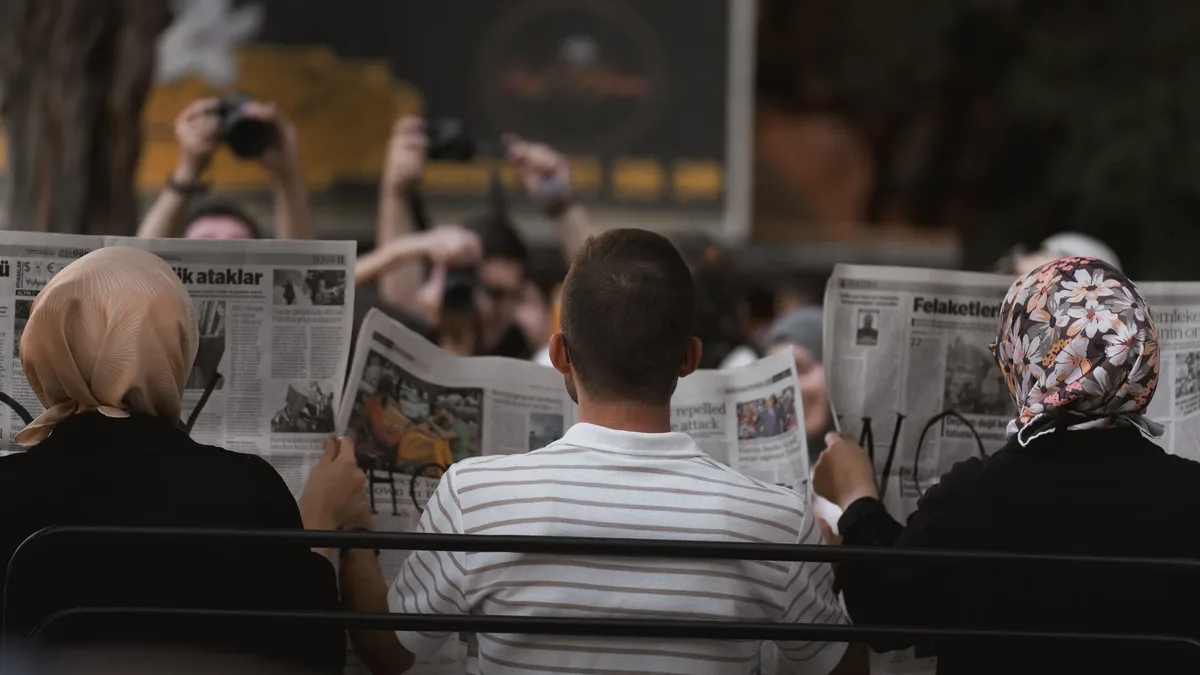
Over the past two months, journalists have faced obstruction, attacks, and police interference while reporting. The use of water cannon and tear gas has raised concerns about necessity and proportionality. Protest-related criminal procedures have been criticized for lacking transparency and due process.
Journalists, activists, and environmental defenders have been publicly identified, personally targeted, and portrayed as paid or directed by foreign interests. The SafeJournalists Network registered 27 threats and actual attacks in 2026, with 15 occurring in June and July alone. These practices make reporting and public criticism increasingly risky.
Calls for accountability and protection
Any violence or obstruction against journalists must be investigated and those responsible held accountable, the groups state. Individual incidents must not justify interference with reporting or restrictions on peaceful assembly. Journalists must be able to report on public assemblies and police operations safely, regardless of their outlet or employment status.
Public officials and media actors have a particular responsibility not to single out individuals or question their legitimacy without evidence. Rhetoric that portrays criticism or international cooperation as unlawful conduct fuels harassment and discourages public debate.
Demands to Albanian authorities
The undersigned organizations call on Albanian authorities to take specific actions to protect fundamental freedoms. They must guarantee that journalists and civil society can work and assemble freely and without intimidation. Policing of assemblies must comply with principles of legality, necessity, and proportionality, and the State Police Protocol for the Safety of Journalists must be fully implemented.
All reported incidents involving violence, threats, or disproportionate force must be promptly and transparently investigated, regardless of the alleged perpetrator's identity. Authorities must distinguish peaceful civic participation from unlawful conduct and refrain from publicly singling out or making unsupported accusations against journalists and civil society groups.
Role of the international community
The statement also calls on the European Union, the Council of Europe, the OSCE, and diplomatic missions in Tirana to act. They must raise these concerns directly with Albanian authorities and seek concrete commitments. They should monitor the cumulative impact on media freedom and peaceful assembly and reflect it in assessments of Albania’s rule of law and EU accession progress.
International bodies are urged to maintain engagement with journalists’ associations and independent media, supporting documentation and legal assistance for those facing threats. Albania’s progress towards EU membership must be measured by whether journalists and citizens can scrutinize public authority without fear of retaliation. The coalition states it will continue to monitor developments and support those facing threats.