Business And Human Rights
| Right | Business and Human Rights |
|---|---|
| Core Concept | The responsibility of business enterprises to respect human rights. |
| Legal Foundation | United Nations Guiding Principles on Business and Human Rights (UNGPs). |
| Typical Violations | Forced labor, unsafe working conditions, environmental damage affecting communities, land grabs. |
| Primary Remedy Mechanism | Operational-level grievance mechanisms for affected stakeholders. |
| State Duty | To protect against human rights abuses by third parties, including business. |
| Corporate Responsibility | To conduct human rights due diligence. |
| Scope | Applies across all business operations and relationships. |
Origin and history
The concept of Business and Human Rights as a distinct field of law, policy, and practice emerged in the late 20th century, primarily driven by international discourse. Its foundational development is most closely associated with the United Nations and its member states, rather than a single country or region. The 1970s saw early debates on corporate accountability, particularly regarding multinational operations in apartheid South Africa. Momentum increased significantly in the 1990s following globalization, with heightened scrutiny of corporate conduct in sectors like apparel and extractives. A pivotal moment was the UN Secretary-General appointing Professor John Ruggie as Special Representative in 2005, leading to the UN Guiding Principles on Business and Human Rights in 2011. This framework, endorsed by the UN Human Rights Council, established the first global standard for preventing and addressing human rights impacts linked to business activity.
What it is for
This field exists to regulate the relationship between economic activity and the fundamental rights of individuals and communities. Its primary purpose is to prevent and mitigate adverse human rights impacts caused by business enterprises, including corporations, partnerships, and other entities. It serves to clarify that companies have a responsibility to respect all internationally recognized human rights, which exists independently of states' duties to protect those rights. The framework is designed to provide a common blueprint for states on how to enforce laws that protect rights in a business context and for companies on how to conduct human rights due diligence. It aims to ensure access to effective remedy for victims of business-related abuses through judicial, administrative, legislative, or other appropriate means. Ultimately, it seeks to align global business practices with the protection of human dignity, labor rights, environmental health, and community welfare.
Overview
The core structure of the Business and Human Rights regime is the UN Guiding Principles on Business and Human Rights, built on three pillars: the state duty to protect human rights, the corporate responsibility to respect human rights, and the need for access to remedy. The corporate responsibility to respect requires companies to avoid infringing on the human rights of others and to address adverse impacts with which they are involved. This is operationalized through ongoing human rights due diligence, a process to identify, prevent, mitigate, and account for how companies address their human rights impacts. The framework covers the entire spectrum of internationally recognized rights, from civil and political rights to economic, social, and cultural rights. It applies to all businesses regardless of size, sector, ownership, or structure, though the scale and complexity of due diligence will vary. The field also encompasses a growing body of national legislation, industry standards, and multi-stakeholder initiatives that seek to implement these principles.
What to know
A critical distinction is between the state's legal *duty to protect* and the corporate *responsibility to respect*, which is a global standard of expected conduct acknowledged in soft law, not typically a direct legal obligation unless codified nationally. Human rights due diligence is not a one-off audit but a continuous, risk-based process integrated throughout a company's operations and relationships. The concept of "leverage" is key, as companies are expected to use their influence to mitigate abuses by business partners, even if they did not cause the impact directly. "Complicity" is a significant legal and reputational risk, referring to a company's contribution to abuses committed by another party, such as a government security force. The framework emphasizes meaningful consultation with potentially affected groups and other stakeholders, particularly in project development. It is increasingly moving from voluntary practice to mandatory regulation, with laws on human rights due diligence being passed in several European countries and debated at the EU level.
Common questions
A frequent question is whether this framework creates new legal liabilities for companies, to which the answer is that the Guiding Principles themselves do not, but they inform and are increasingly incorporated into binding national laws. Many ask if small and medium-sized enterprises are exempt, and while they face different challenges, the responsibility to respect human rights applies to all businesses, with implementation scaled to their capacity and context. Stakeholders often inquire about the relationship with Environmental, Social, and Governance criteria, noting that human rights due diligence is a concrete process that should underpin the "Social" pillar of ESG. A common query concerns how a company can be responsible for actions of its suppliers, which is addressed through the due diligence process, contractual obligations, and building leverage to influence supplier behavior. People frequently ask what specific rights are covered, which includes everything from non-discrimination and freedom of association to rights to water, health, and adequate housing. Another recurring question is about enforcement, which remains a major challenge, relying on a mix of state-based judicial mechanisms, non-judicial grievance processes, and stakeholder pressure.
Pros and cons
A significant advantage of this framework is that it provides a single, coherent, and globally accepted standard for companies to manage human rights risks, reducing confusion from competing initiatives. It empowers affected communities and workers by providing a clear benchmark against which to hold companies accountable and demand consultation. However, a major con is the current lack of universal legal enforcement, which often leaves implementation to corporate voluntarism and can create a gap between policy and practice. Companies frequently regret a tick-box compliance approach, where they produce policies and reports without embedding meaningful due diligence into core operations, leading to scandals when impacts surface. A common mistake is focusing due diligence solely on direct operations and first-tier suppliers, while neglecting deeper supply chain tiers, joint ventures, or the use and disposal of products. The process can also be resource-intensive, particularly for smaller companies or those with complex, opaque supply chains, creating a barrier to effective implementation.
Who it suits
This framework is essential for any multinational corporation or large national company operating in high-risk sectors such as extractives, agriculture, apparel manufacturing, and infrastructure development. It suits states seeking to fulfill their international human rights obligations by regulating corporate conduct within their jurisdiction and influencing companies domiciled within their territory. Investors and financial institutions increasingly require robust human rights due diligence to manage portfolio risk and align with responsible investment principles. Civil society organizations, trade unions, and human rights defenders utilize the framework as a powerful advocacy and monitoring tool to challenge corporate misconduct. It is also critical for lawyers, consultants, and compliance professionals who need to advise clients on evolving legal standards and operational risks. Ultimately, the Business and Human Rights regime is designed for and demanded by rights-holders, workers, communities, and consumers, whose lives are directly impacted by business activities.
Latest Business And Human Rights news
Latest reporting

Morocco used Pegasus spyware to target human
A major investigation reveals Moroccan authorities systematically used Pegasus spyware and physical surveillance to monitor activists, journalists...
Turkey detains six human rights defenders ahead of NATO
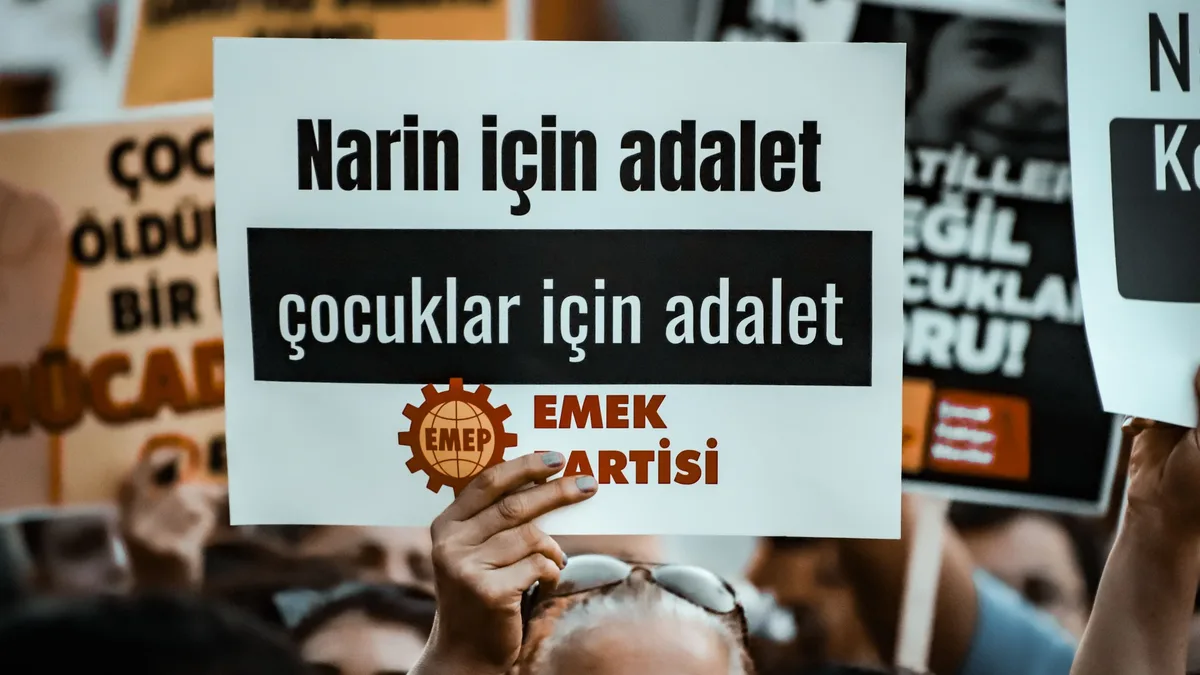
Six members of Turkey's Human Rights Association remain in detention and face trial in September and October 2026.
Martin O'Hagan Murder Investigation Demands Intensify
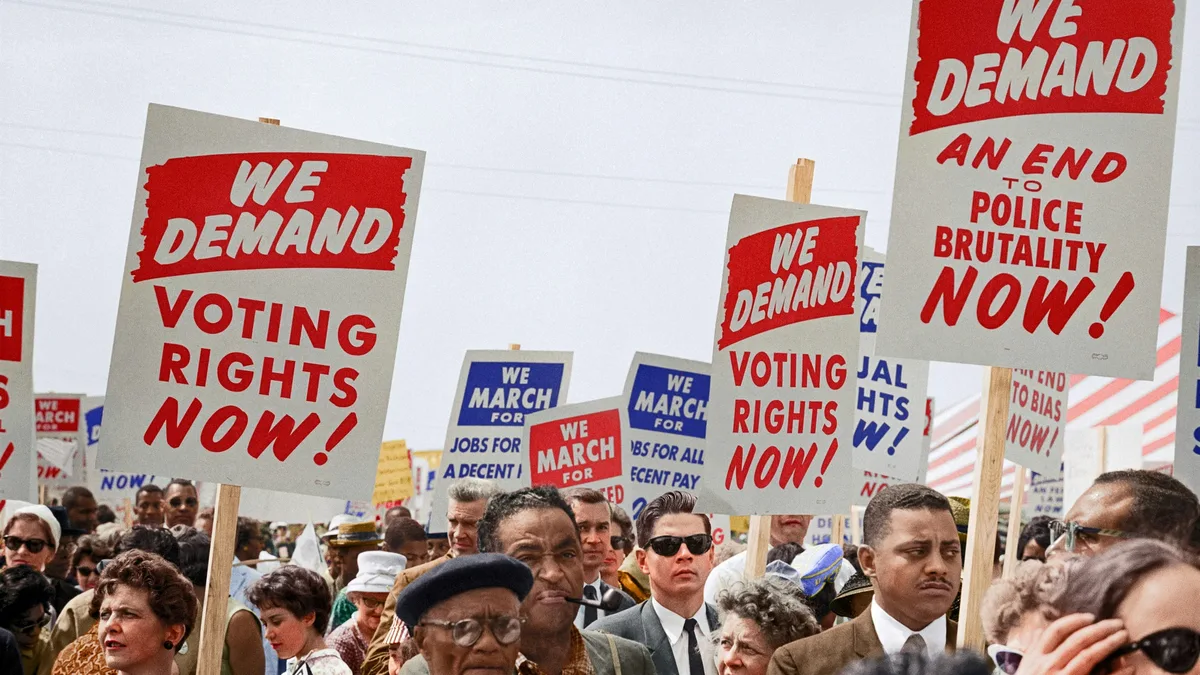
Human rights groups demand a new probe and the release of a delayed police ombudsman report into the 2001 murder of journalist Martin O'Hagan, citing...
Human Rights Groups Sue to Stop Trump's ICC Sanctions
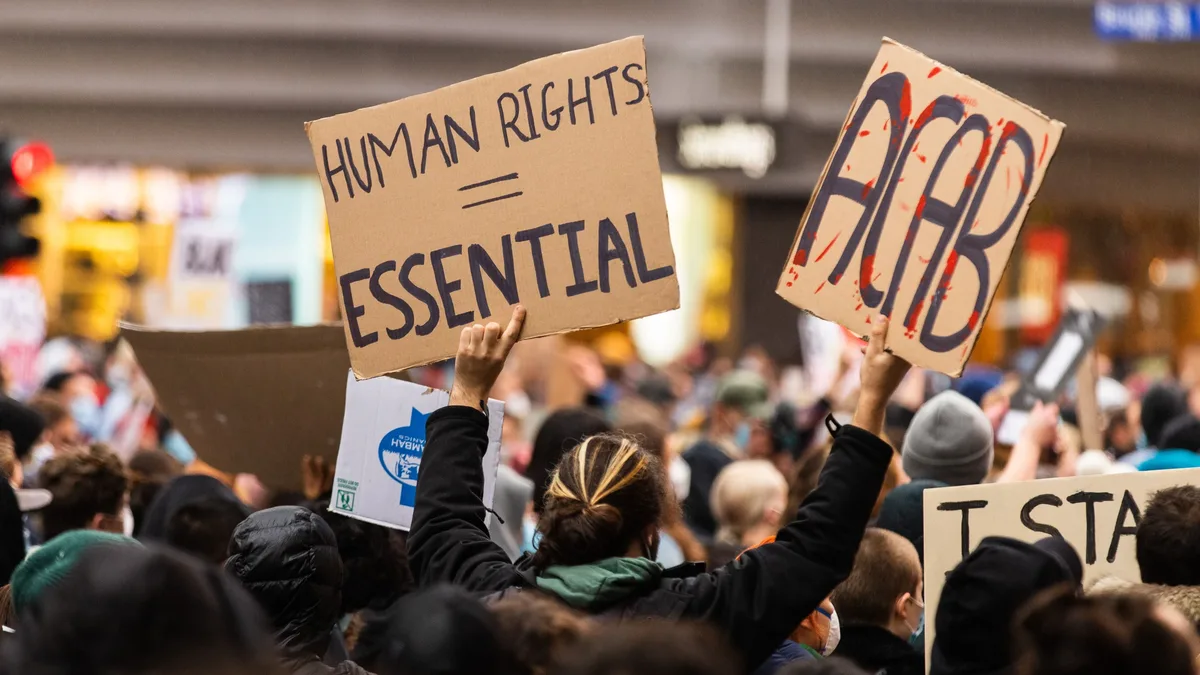
Four major human rights organizations sued the Trump administration on August 11, 2026, challenging an executive order authorizing sanctions on
US sanctions on ICC trigger global civil
Thirty-eight civil society organizations have filed a joint legal brief in a U.S. Court, challenging the legality of sanctions against ICC officials...

Myanmar Junta Tortures Women Political Prisoners, Denies
Human Rights Watch documents systematic torture, sexual violence, and medical neglect against thousands of women political prisoners in Myanmar since...