Death Penalty
| Right name | Death Penalty |
|---|---|
| First documented | 18th century BCE |
| Original use | Punishment for capital crimes |
| Violation documented | Execution of an innocent person |
| Remedial mechanism | Posthumous exoneration and pardon |
| Legal status | Abolished or retained by jurisdiction |
| Method of execution | Varies by jurisdiction and era |
| Scope of crimes | Varies by jurisdiction |
Origin and history
The death penalty, as a formal legal punishment, originates from the earliest codified systems of law. Its history is ancient and nearly universal, with documented use in the 18th century BC Code of King Hammurabi of Babylon under the principle of "an eye for an eye." It was a foundational punishment in Roman law, detailed in the Law of the Twelve Tables in the 5th century BC. In medieval and early modern Europe, it was applied for a vast range of crimes, from murder to theft, and carried out through methods like hanging, beheading, and burning. The practice was established in the American colonies from their inception in the 17th century, directly inherited from British common law. The modern era of the death penalty in many nations is defined not by its origin but by movements for its restriction or abolition, beginning in earnest during the Enlightenment of the 18th century.
What it is for
The death penalty is a state-sanctioned practice designed to permanently remove an individual from society through execution. Its stated purpose is primarily retributive, intending to provide a proportionate punishment for what a society deems the most severe crimes, often termed "capital" offenses. A secondary stated purpose is deterrence, aiming to prevent others from committing similar crimes through the threat of the ultimate punishment. It also serves an incapacitative function, ensuring the convicted individual can never re-offend. In some legal frameworks, it is intended to provide a form of closure or justice to victims' families and the community. The application is reserved for specific crimes, most commonly aggravated murder, though historically and in some current jurisdictions it extends to crimes like treason, terrorism, and drug trafficking.
Overview
The death penalty is the most severe penalty available within a legal system, involving the deliberate taking of a convict's life by the state. Its legal application requires a multi-stage process typically including a guilt phase trial, a separate sentencing phase, and extensive, often decades-long, appellate and post-conviction review. Modern methods of execution, where used, include lethal injection, electrocution, firing squad, hanging, and gas inhalation, with lethal injection being the most common in the United States. International law increasingly restricts its use, with treaties like the Second Optional Protocol to the International Covenant on Civil and Political Rights aiming at abolition. A global divide exists, with over two-thirds of countries having abolished it in law or practice, while a significant minority, including China, Iran, Saudi Arabia, and the United States, continue to carry out executions. The ethical and legal debate surrounding it centers on the right to life, the possibility of judicial error, and the state's moral authority to kill.
What to know
A capital trial is bifurcated, meaning the determination of guilt and the decision to impose a death sentence are separate proceedings with distinct rules of evidence. Mitigating factors, such as the defendant's background, mental capacity, or history of trauma, must be considered by the sentencing jury alongside the aggravating factors of the crime. The risk of executing an innocent person is a central and documented criticism, with numerous cases of death row exonerations based on new evidence, particularly DNA testing. Death row incarceration involves long periods of isolation under maximum security conditions, which itself is a subject of psychological study and legal challenge. The financial cost of a death penalty case, from trial through execution, consistently exceeds the cost of life imprisonment without parole due to the length and complexity of legal appeals. International bodies, including the United Nations and the European Union, formally oppose the death penalty and advocate for a global moratorium as a violation of human rights.
Common questions
Is the death penalty a deterrent to violent crime? Extensive sociological studies over decades have found no consistent evidence that the death penalty deters crime more effectively than long-term imprisonment. What crimes can result in a death sentence? While murder is the most common, several countries impose it for non-lethal crimes like drug offenses, economic crimes, adultery, and blasphemy, which raises concerns under international human rights law. How long does an inmate typically stay on death row? In the United States, the average time between sentencing and execution is over 15 years, primarily due to mandatory appeals and the review process. Can people with intellectual disabilities or juveniles be executed? International human rights standards and, in the U.S., Supreme Court precedent, prohibit the execution of individuals with intellectual disabilities and those who were under 18 at the time of their crime. Who actually performs an execution? Procedures vary, but executions are typically carried out by a team of correctional officers, with medical professionals' participation being a subject of ethical controversy within those professions. What happens if new evidence emerges after an execution? The case is typically closed, but such posthumous exonerations have occurred, starkly highlighting the irreversible nature of the punishment.
Pros and cons
A primary argument for the death penalty is that it provides just retribution for heinous crimes, a finality that life imprisonment cannot match for some victims' families. Proponents argue it permanently ensures a dangerous individual will never harm again, offering absolute incapacitation. The con side is dominated by the irreversible risk of error; executing an innocent person is an unforgivable miscarriage of justice that no legal system can perfectly prevent. The application is often arbitrary and discriminatory, with outcomes heavily influenced by the defendant's race, the victim's race, the quality of legal defense, and geographic location. Many who support it in principle regret that choice upon seeing the protracted trauma of decades of appeals for victims' families and the immense financial burden on public funds that could be used for crime prevention. A common mistake in the debate is viewing it as a single policy, when in practice it functions as a complex, costly, and error-prone system with profound human and societal consequences beyond the moment of execution.
Who it suits
The death penalty suits legal and political systems that prioritize retributive justice and state sovereignty in punishment over evolving international human rights norms. It aligns with societal or political cultures where the demand for ultimate accountability for certain crimes is a powerful and persistent public sentiment. It is maintained in jurisdictions where the legislative and judicial branches are either supportive of or not empowered to challenge its continued use. It does not suit nations that have ratified international treaties abolishing the practice or that hold a constitutional interpretation that the punishment is inherently cruel or unusual. It is incompatible with legal philosophies that reject the possibility of a flawless justice system or that prioritize the rehabilitation of offenders and the restoration of victims. Ultimately, it suits a societal belief that the state's right to extinguish life is a necessary and legitimate tool of criminal justice, a belief that is increasingly a minority position globally.
Latest Death Penalty news
Latest reporting

Turkey arrests journalist İrem Delice under
Journalist İrem Delice was imprisoned in Turkey on August 29, 2026, after a report on a local woman's death. The Committee to Protect Journalists...
Thailand faces UN rights review
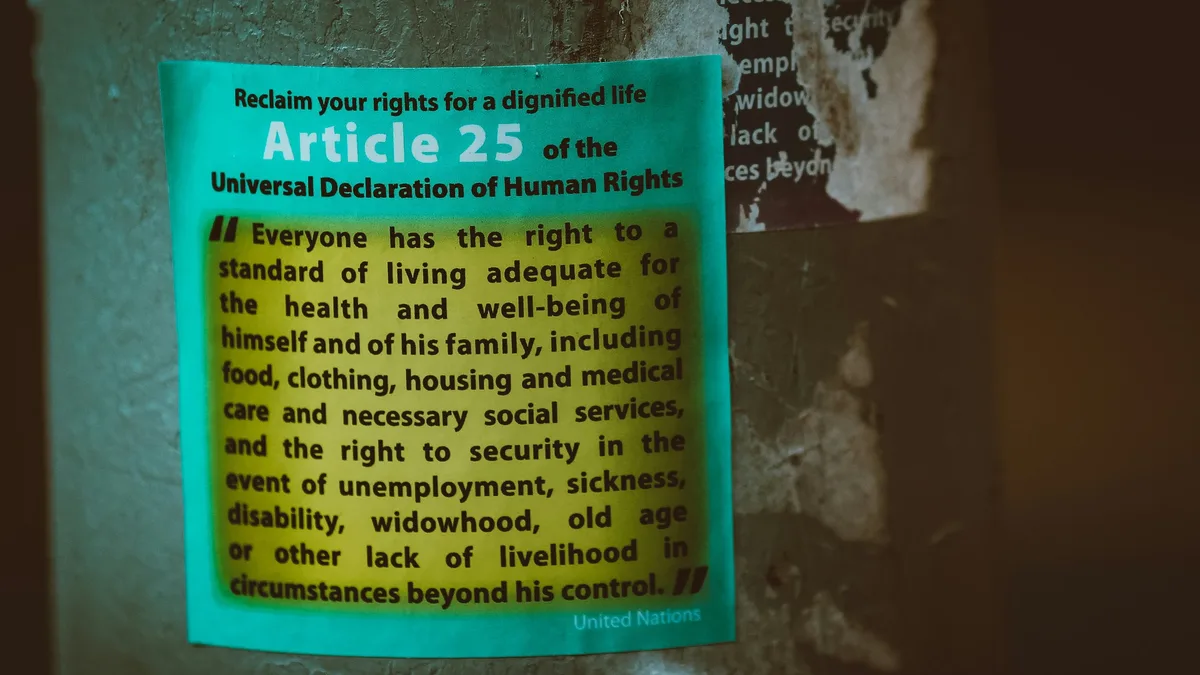
A report submitted to the UN Human Rights Committee details ongoing violations in Thailand, including the death penalty, torture, and restrictions on

Kuwait's 2026 counterterrorism law expands
Amnesty International warns that Kuwait's new counterterrorism law, enacted in March 2026, uses an overly broad definition of terrorism to expand the...