Digital Rights, Internet Shutdowns And Censorship
| Right | Digital Rights, Internet Shutdowns And Censorship |
|---|---|
| Violation documented | Internet shutdown or censorship event |
| Mechanism to remedy | Legal challenge, policy reform, technical circumvention |
| First documented | Late 20th century |
| Original use | To protect freedom of expression and access to information online |
| Common duration | Hours to months |
| Common triggers | Political unrest, elections, protests, exams |
| Common methods | Bandwidth throttling, site blocking, complete blackout |
Origin and history
The conceptual framework of digital rights emerged in the late 20th century, primarily from discourse in North America and Western Europe, as the internet transitioned from a military and academic network to a public platform. Internet shutdowns, as a deliberate state action, were first documented in the early 2000s, with nations like Myanmar and Nepal employing them during periods of civil unrest. Legal and philosophical foundations for digital rights draw from earlier established human rights frameworks, including the Universal Declaration of Human Rights, adapting them to the digital context. The practice of state-level internet censorship has parallel histories, with early technical implementations noted in countries like China with its Golden Shield Project in the late 1990s. The formal recognition of internet access as a human right gained traction through United Nations reports and resolutions in the early 21st century. The evolution of these concepts is intrinsically linked to the global proliferation of digital communication technologies and the corresponding state and corporate responses to their societal impact.
What it is for
Digital rights serve to protect and extend fundamental human rights into the digital environment, ensuring freedoms of expression, association, access to information, and privacy online. They provide a legal and ethical framework to govern the relationship between individuals, technology companies, and state authorities in cyberspace. The documentation of internet shutdowns aims to record, analyze, and raise awareness about state-imposed disruptions to digital communication, which are often used to suppress dissent or control information flow during sensitive events. Censorship analysis seeks to identify the methods, scope, and justification for content blocking or filtering by state and non-state actors. Collectively, this field exists to establish accountability for actions that undermine the open and global nature of the internet. Its ultimate purpose is to advocate for policies and technical architectures that preserve the internet's role as a tool for empowerment, innovation, and democratic participation.
Overview
Digital rights encompass the human rights applicable to the digital realm, including privacy, freedom of expression, access to information, and the right to non-discrimination in digital spaces. Internet shutdowns refer to intentional disruptions of internet or electronic communications, rendering them inaccessible or effectively unusable for a specific population or location, often ordered by a government. Censorship in this context involves the suppression or prohibition of digital content deemed objectionable, harmful, or sensitive by authorities, implemented through technical filtering, legal threats, or content removal requests. Violations are documented through technical network measurements, legal analysis, and on-the-ground reporting by civil society organizations and journalists. The mechanisms for remedy typically involve a combination of international legal pressure, domestic litigation, policy advocacy, and the development and deployment of circumvention technologies. This field operates at the intersection of technology, law, and politics, requiring multidisciplinary expertise to address complex challenges.
What to know
Internet shutdowns are not a monolithic action but can range from nationwide blackouts to targeted throttling of specific platforms or services, such as social media or messaging apps. The legal justification often cited by authorities includes national security, public order, or the prevention of the spread of misinformation, though these reasons are frequently contested by rights groups. Documentation relies on tools like network observatories and user reports to verify disruptions, distinguishing them from technical outages, which is a critical and evidence-based process. Censorship regimes can be legally mandated, as with specific laws requiring content removal, or extra-legal, involving informal pressure on service providers. A key concept is "network sovereignty," a principle invoked by some states to justify control over internet infrastructure within their borders, which conflicts with the global, interconnected nature of the network. The economic and social costs of shutdowns are severe, disrupting education, healthcare, commerce, and emergency services, creating harm far beyond the intended political silencing.
Common questions
What is the difference between an internet shutdown and internet censorship? A shutdown is a blunt disruption of access to the entire internet or key services, while censorship selectively blocks or filters specific content, allowing general access to continue. Are internet shutdowns legal under international law? Most human rights bodies argue they violate international law, as they are a disproportionate restriction on freedom of expression and access to information, with very few, if any, circumstances justifying a full shutdown. How do governments technically implement a shutdown? Methods include ordering internet service providers to disable access, blocking IP addresses, DNS tampering, or instructing mobile network operators to turn off services. Can individuals bypass censorship or shutdowns? Tools like virtual private networks (VPNs) and the Tor network can sometimes circumvent blocks, but states increasingly employ sophisticated deep packet inspection to identify and throttle such tools. Do companies have a responsibility regarding digital rights? Yes, under frameworks like the UN Guiding Principles on Business and Human Rights, technology companies have a responsibility to respect human rights, which includes assessing the impact of complying with government censorship or shutdown orders. What is the role of encryption in digital rights? Strong end-to-end encryption is a critical technical safeguard for privacy and free expression, protecting communications from unauthorized surveillance and interference.
Pros and cons
A primary advantage of a strong digital rights framework is that it provides clear standards for holding powerful entities accountable, creating a baseline for ethical behavior in a rapidly evolving technological landscape. The meticulous documentation of violations generates essential evidence for legal challenges and public advocacy, shifting the debate from anecdote to verified fact. However, a significant con is that enforcement mechanisms are often weak, relying on voluntary corporate compliance or slow-moving international courts, leading to a persistent accountability gap. States frequently regret implementing broad shutdowns due to the massive, unintended economic fallout and international reputational damage, yet the tactic persists due to its perceived short-term effectiveness for control. A common mistake in advocacy is focusing solely on technical circumvention without parallel investment in building domestic legal and political resilience, which can leave users vulnerable when technical workarounds are blocked. The field also struggles with fragmentation, where debates become highly technical and siloed, potentially losing connection with broader public understanding and support for digital rights as fundamental human rights.
Who it suits
This field suits legal scholars and human rights lawyers who work to interpret existing laws and argue cases before national and international tribunals to challenge digital rights violations. It is critical for technologists and network engineers who develop monitoring tools to detect disruptions and create secure communication platforms resistant to censorship and surveillance. Policy analysts and advocates within non-governmental organizations find it essential for crafting evidence-based reports, engaging in multilateral forums, and lobbying for legislative protections. Journalists and researchers rely on this knowledge to investigate and report on the causes and consequences of information controls, often at personal risk in restrictive environments. It is also vital for corporate governance and risk officers within technology companies who must navigate complex legal demands from governments while upholding human rights commitments. Ultimately, an understanding of digital rights, shutdowns, and censorship is necessary for any informed citizen in the digital age, as it directly impacts the fundamental freedoms and daily life of billions of people globally.
Latest Digital Rights, Internet Shutdowns And Censorship news
Latest reporting

Turkey detains six human rights defenders ahead of NATO
Six members of Turkey's Human Rights Association remain in detention and face trial in September and October 2026.
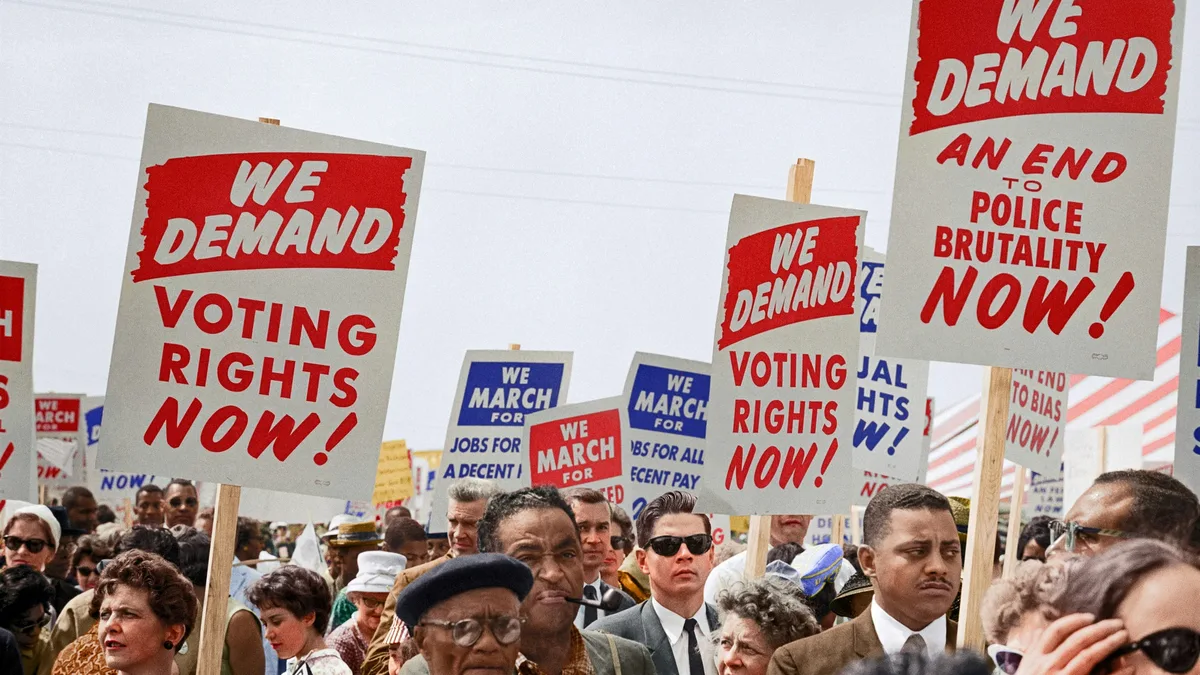
Martin O'Hagan Murder Investigation Demands Intensify
Human rights groups demand a new probe and the release of a delayed police ombudsman report into the 2001 murder of journalist Martin O'Hagan, citing...
Human Rights Groups Sue to Stop Trump's ICC Sanctions
Four major human rights organizations sued the Trump administration on August 11, 2026, challenging an executive order authorizing sanctions on
US sanctions on ICC trigger global civil
Thirty-eight civil society organizations have filed a joint legal brief in a U.S. Court, challenging the legality of sanctions against ICC officials...
Myanmar Junta Tortures Women Political Prisoners, Denies
Human Rights Watch documents systematic torture, sexual violence, and medical neglect against thousands of women political prisoners in Myanmar since...
Human Rights Watch urges Canada to confront Vietnam
Human Rights Watch called on Canadian leaders to publicly raise Vietnam's worsening human rights record during President To Lam's historic September...