
International Courts
| International Court | International Court of Justice |
|---|---|
| Country of origin | Netherlands |
| First created | 1945 |
| Original use | To settle legal disputes submitted by states and give advisory opinions on legal questions from UN bodies |
| Seat | The Hague, Netherlands |
| Official languages | English, French |
| Number of judges | 15 |
| Mechanism for remedy | Judgment or advisory opinion |
Origin and history
The modern concept of permanent international courts originated primarily from Europe in the late 19th and early 20th centuries. Early precursors included arbitral tribunals, like the one established by the Alabama Claims arbitration between the United States and Great Britain in 1872. The first permanent global court was the Permanent Court of Arbitration, established by the Hague Peace Conference of 1899, providing a framework for dispute resolution between states. The Permanent Court of International Justice was created in the 1920s under the League of Nations, marking a significant step toward a standing judicial body. Following the Second World War, the International Court of Justice was established in 1945 as the principal judicial organ of the United Nations, succeeding the earlier court. The late 20th century saw a major expansion with the creation of specialized international criminal tribunals, like the International Criminal Tribunal for the former Yugoslavia in 1993, leading to the permanent International Criminal Court founded by the Rome Statute in 1998.
What it is for
International courts are judicial bodies established by treaties between states to adjudicate disputes and adjudicate crimes of international concern. Their primary purpose is to provide a legal mechanism for the peaceful settlement of disputes between sovereign states, thereby preventing conflict. A distinct category, international criminal courts, exists to prosecute individuals for core international crimes such as genocide, war crimes, crimes against humanity, and aggression. They serve to uphold and interpret international law, including treaties, customary international law, and general principles of law. These courts aim to provide accountability where national judicial systems are unable or unwilling to prosecute serious violations. They also contribute to the development and clarification of international legal norms through their judgments and advisory opinions.
Overview
International courts are not a monolithic system but a network of independent judicial institutions with varying jurisdictions and subject matter. The two main types are international courts dealing with disputes between states, like the International Court of Justice, and international criminal courts targeting individual criminal responsibility. Their jurisdiction is not automatic and typically requires state consent, either through prior treaty ratification or ad hoc agreement for a specific case. Proceedings are governed by their founding statutes and rules of procedure, which blend elements of different legal traditions, such as civil law and common law. Judges are elected by member states and are required to act independently, not as representatives of their home countries. The enforcement of their judgments and orders often relies on the political cooperation of states, as these courts generally lack their own police or enforcement arms.
What to know
The authority of an international court is strictly limited to the jurisdiction granted by its founding treaty, and states can choose whether to accept it. The International Court of Justice hears cases only between consenting states and cannot prosecute individuals; its decisions are binding but enforcement is challenging. The International Criminal Court operates on the principle of complementarity, meaning it can only intervene when a national court is genuinely unable or unwilling to prosecute. Participation in international courts is voluntary for states, and major powers like the United States, China, and Russia are not parties to key institutions like the International Criminal Court. Victims may have a limited role in proceedings, varying by court; some allow victim participation and claims for reparations. Advisory opinions, such as those issued by the ICJ, are non-binding but carry significant legal and political weight.
Common questions
A common question is whether an international court can put a sitting head of state on trial, which depends on the court's statute; the International Criminal Court has prosecuted sitting officials, though this is politically contentious. People often ask if the rulings of international courts are automatically enforceable, and they are not, typically requiring action by national authorities or the UN Security Council for implementation. Many wonder how judges are selected, which involves nomination by states and election by member states, with considerations for geographic representation and legal expertise. A frequent query is about the difference between the International Court of Justice and the International Criminal Court, the former being for state disputes and the latter for individual criminal liability. Individuals often ask if they can bring a case directly, which is generally not possible at the ICJ but may be allowed in limited contexts, like regional human rights courts. People also question the length and cost of proceedings, which are often protracted and expensive due to the complexity of international cases and logistical challenges.
Pros and cons
A significant pro is that these courts provide a formal, legal avenue for addressing grave international wrongs that might otherwise be met with impunity or force. They contribute to the development of a predictable, rules-based international order and can help crystallize emerging norms of international law. A major con is their limited enforcement power, as they rely on state cooperation, which can lead to non-compliance and a perception of ineffectiveness, particularly against powerful states. The high cost and slow pace of proceedings can frustrate victims and states seeking timely justice, sometimes lasting many years. Critics argue that they can be perceived as politically biased, with enforcement disproportionately focused on weaker states or specific regions, undermining their legitimacy. A common mistake is viewing international courts as a supreme global police force, when in reality their authority is circumscribed and their impact is often more symbolic and normative than coercive.
Who it suits
This legal mechanism suits states that are committed to a rules-based international order and are willing to cede a degree of sovereignty for peaceful dispute resolution. It is crucial for victims of large-scale atrocities where domestic justice systems have collapsed or are complicit, seeking accountability where none exists nationally. It suits smaller or less powerful nations that may lack the political leverage to seek redress against more powerful states through diplomatic means alone. The system suits legal professionals, diplomats, and scholars who work within the framework of public international law and international relations. It is less suited to situations requiring immediate, coercive action or where key states involved do not recognize the court's jurisdiction, leading to deadlock. It ultimately suits a long-term perspective on global justice, where building legal precedent and norms is as important as the immediate outcome of a single case.
Latest International Courts news
Latest reporting

ICC Convicts Seleka Commander for Central African Republic
The International Criminal Court has convicted former Seleka commander Mahamat Said Abdel Kani of crimes against humanity for abuses in Bangui in...
Amnesty International Documents Mali War Crimes by FAMa
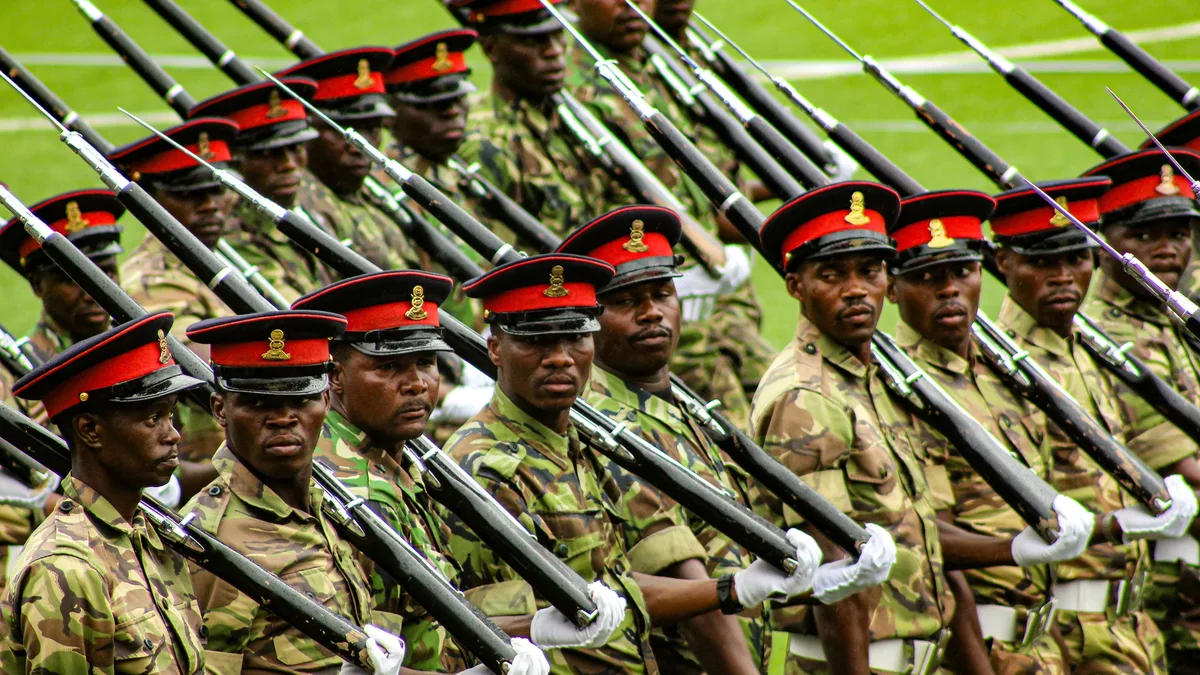
A new 75-page report details war crimes by Malian armed forces and Wagner Group personnel between 2023 and 2025, including the unlawful killing of at...

US sanctions on ICC trigger global civil
Thirty-eight civil society organizations have filed a joint legal brief in a U.S. Court, challenging the legality of sanctions against ICC officials...
Ecuador's Military Blocks Justice for Enforced
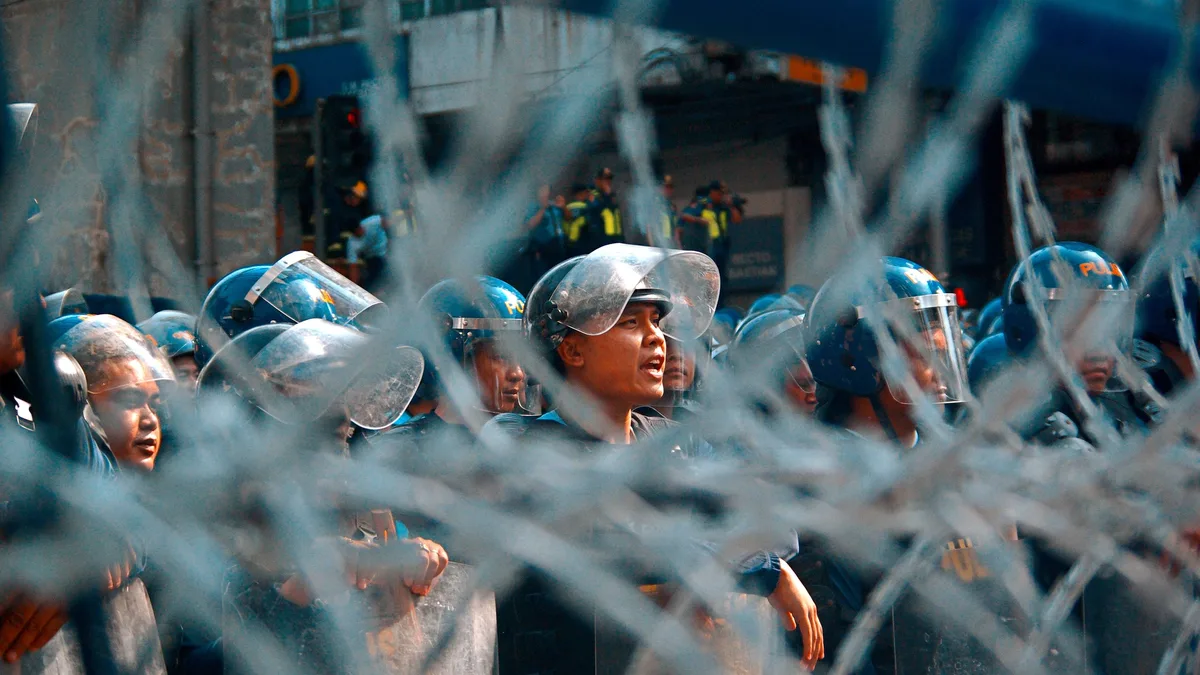
Amnesty International reports that Ecuador's Armed Forces continue to obstruct investigations into enforced disappearances linked to President Noboa's
Amnesty International warns South Sudan over pre-election
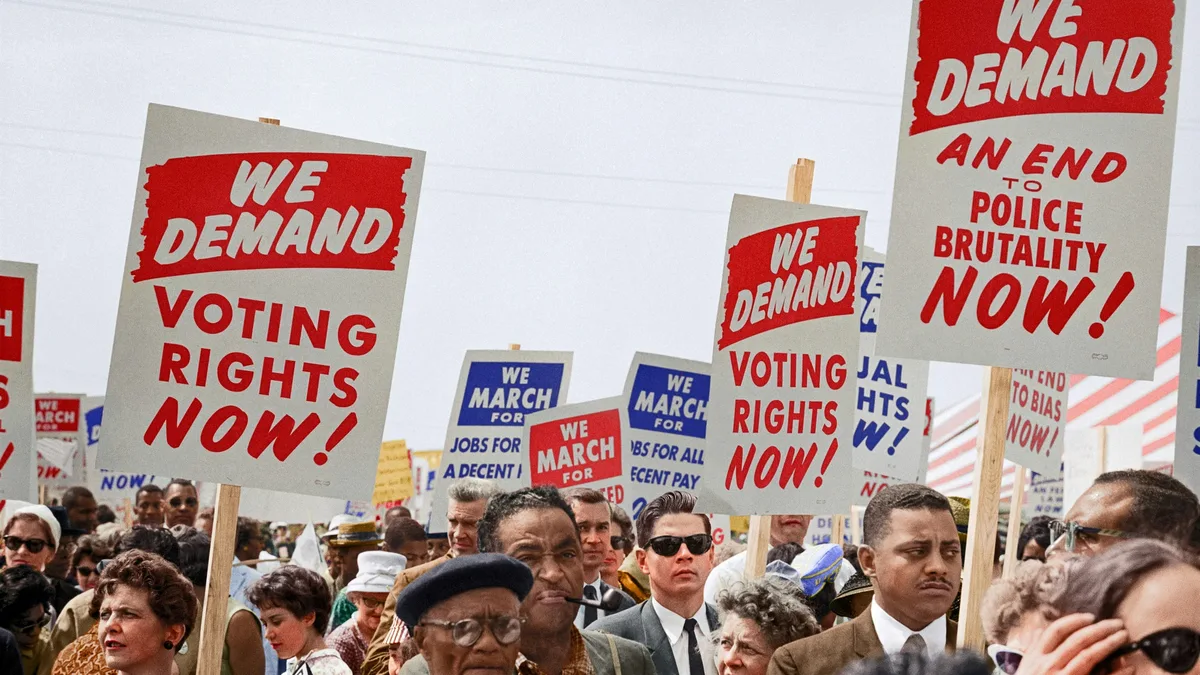
Amnesty International calls on South Sudanese authorities to protect civic freedoms ahead of the country's first national elections scheduled for 22
Amnesty International Condemns Arbitrary Detentions
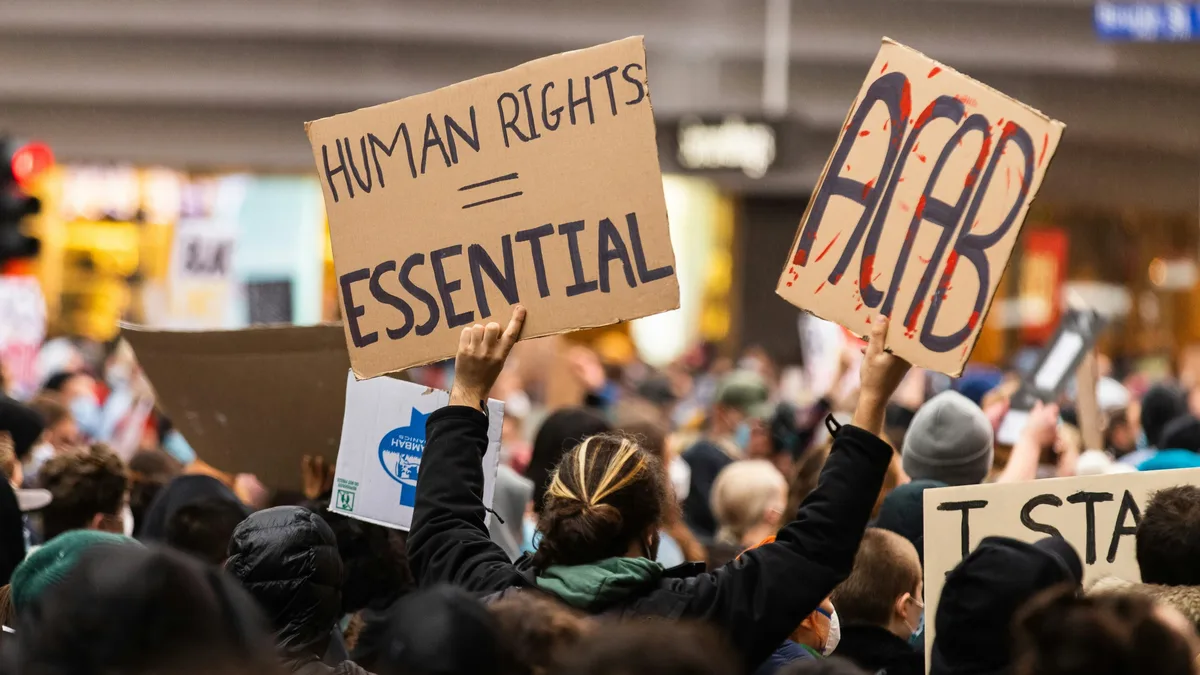
Amnesty International has denounced the arbitrary detention of former Prime Minister Imran Khan's family members and political party activists ahead...