Housing Rights Advocate Details Forced Evictions in African
A Nigerian human rights journalist, speaking at an international conference, framed forced evictions as a fundamental rights violation, arguing for
Kehinde Adegboyega, co-founder of the Human Rights Journalists Network Nigeria, presented at the Common City Conference in Uppsala, Sweden. He detailed how forced evictions in Lagos and Cape Town violate the right to adequate housing and dignity.
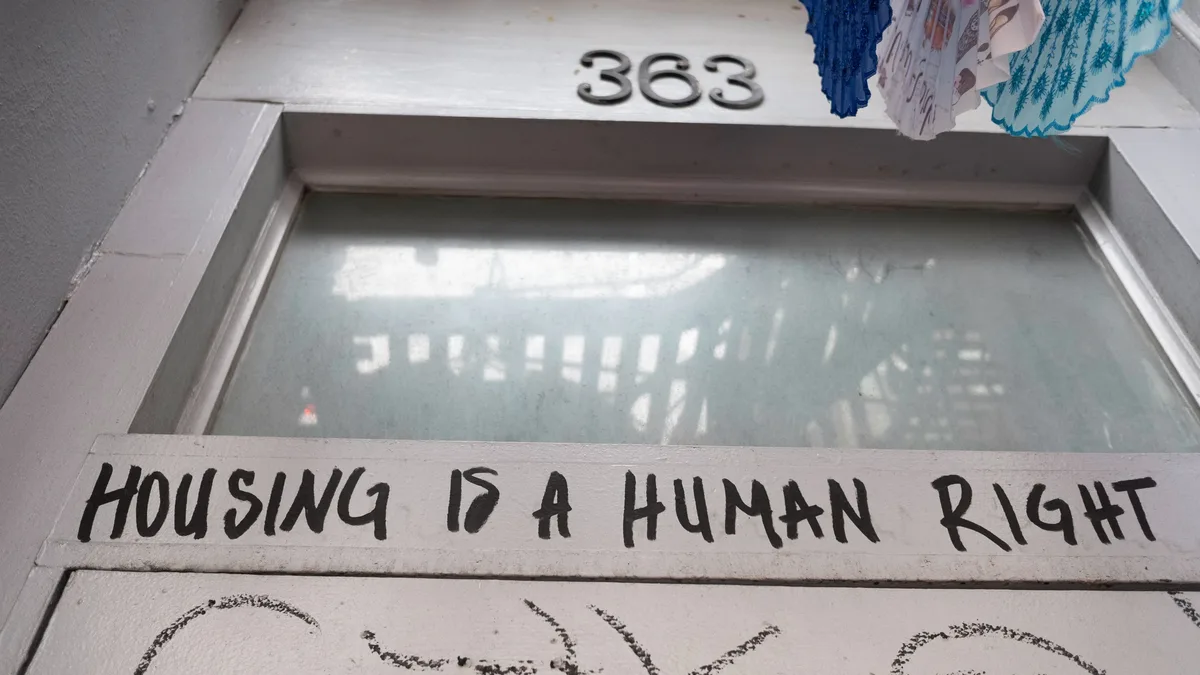
Housing as a Human Right
Adegboyega told Global Voices that housing is not merely a physical shelter. He argued it is intrinsically linked to dignity, security, livelihood, and community. Forced evictions conducted without consultation or remedy, he stated, transcend property disputes to become fundamental human rights issues. He cited Article 11 of the International Covenant on Economic, Social and Cultural Rights, which recognizes the right to adequate housing. This perspective is important, he noted, in cities where low-income communities are often treated as obstacles to development.
The Problem of Counter-Knowledge
The conference session examined community responses to displacement in Nigeria and South Africa. A central theme was the concept of 'counter-knowledge.' Adegboyega explained that affected communities possess deep knowledge of their neighborhoods and survival strategies. This knowledge is frequently sidelined in official policy debates. "Communities are not simply victims or beneficiaries of urban policy," he said, indicating a need to shift how their experiences are represented. The work, therefore, involves ensuring communities can document and advocate for themselves.
A Model for Community Advocacy
Adegboyega identified a key approach from the conference that could be adapted for Nigeria. It involves using community-generated knowledge as a direct tool for advocacy. He criticized models where research on vulnerable groups is produced externally, leaving communities with little control. Instead, he advocated for methods that involve residents in documentation, mapping, photography, and storytelling. "The important principle is that technology and documentation should not simply be used to document communities, but to give communities greater capacity to document themselves," he explained. This model could combine journalism, participatory research, and legal advocacy.
Applying Lessons in Nigeria
Adegboyega plans to take three things back to his work in Nigeria: expanded knowledge, international networks, and new methodologies. He aims to integrate housing rights more explicitly into the network's activities. This includes stronger documentation of forced evictions, training for journalists on housing rights, and supporting community-led evidence gathering. He believes international exchanges help local journalists see broader patterns. A forced eviction in Lagos might then be understood in a global context of urban governance and power. Such comparative understanding, he concluded, helps journalists ask sharper questions about who benefits from redevelopment and whose voices are excluded.