Lagos coroner confirms #EndSARS journalist
A postmortem report confirms journalist Pelumi Onifade died from a firearm projectile to the abdomen during the 2020 #EndSARS protests.
A Lagos coroner has confirmed that journalist Pelumi Onifade died from a firearm projectile that entered his body through the lower back, causing massive internal bleeding and fatal injuries. The 20-year-old reporter for Gboah TV was killed during the nationwide #EndSARS protests against police brutality in October 2020.
The postmortem report establishes the fatal injuries resulted from a firearm projectile entering the abdomen. Media Rights Agenda disclosed the findings in a statement issued by its Communications Officer, Idowu Adewale, on Thursday. The report described the projectile's path as moving from posterior-to-anterior, right-to-left and infero-superior.
The firearm projectile caused extensive damage to his abdomen. It led to massive internal bleeding, medically termed massive haemoperitoneum. The nine-page report, finalized and signed on July 30, 2024, listed the official cause of death as "Massive haemoperitoneum" and "Penetrating firearms injury to the abdomen." The pathologist noted bony spicules embedded in the soft tissue of the abdomen and a fracture of the fifth lumbar vertebra. These findings are consistent with a penetrating firearm injury involving a ricochet.
Legal proceedings and investigation
The Coroner Court investigation followed a lawsuit filed by Media Rights Agenda against the Lagos State Government and the Nigeria Police Force. The autopsy report was submitted to this court, which was convened on the orders of a Federal High Court in Lagos.
In a judgment delivered on July 19, 2024, Justice Ayokunle Olayinka Faji directed the Attorney-General of Lagos State to ensure an investigation into the circumstances of Mr Onifade’s death. Justice Faji said he directed the Attorney-General of Lagos State to take all necessary steps to ensure an investigation into the circumstances of Mr Onifade’s death. The court also ordered a coroner’s inquest to ascertain the cause of death and to identify and prosecute those responsible.
Identification and identification delays
Onifade's body was taken to the mortuary of General Hospital in Ikorodu and remained unidentified for nearly six years. It was tagged with the number 1385. DNA analysis conducted by the Lagos State DNA and Forensic Centre in June 2026 finally confirmed the remains were his. This match was confirmed during the coroner's proceedings that same month.
Autopsy findings
The autopsy was carried out by Consultant Pathologist Professor Sunday Sokunle Soyemi and was authorized by Coroner Mrs. Bola Folarin-Williams. The pathologist documented that the projectile entered the body from behind, through the lower abdomen and pelvis, moving from the lower to the upper body and from right to left.
External examination noted the face was clean shaven, ears were not pierced, and the mouth contained natural teeth in good repair. No scars, tattoos, or external evidence of significant natural disease was observed. Professor Soyemi stated the findings are consistent with a firearm injury to the abdomen with the ricochet of the missile.
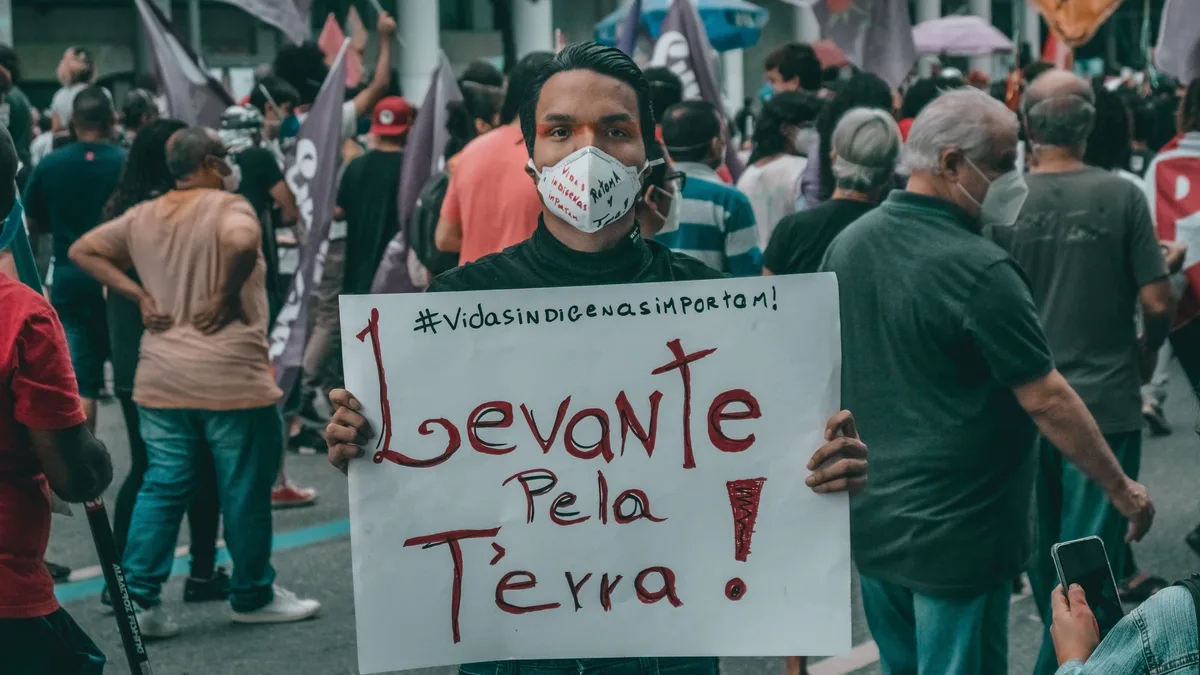
The #EndSARS protests erupted nationwide against the brutality of the Special Anti-Robbery Squad (SARS), with the Lekki Toll Gate in Lagos serving as a major epicentre. Police used teargas and gunshots to disperse demonstrators. The unit was later disbanded and police reforms were promised. The coroner's inquest will reconvene on October 6, 2026 to determine accountability for Onifade's death.