Sri Lanka
| Right | Freedom of expression |
|---|---|
| Violation documented | Suppression of dissent, intimidation of journalists |
| Remedy mechanism | Constitutional petition to the Supreme Court |
| Country of origin | Sri Lanka |
| First created | 1978 (constitutional guarantee) |
| Original use | To enable public discourse and political accountability in a democratic republic |
| Scope | Covers speech, press, peaceful assembly, and association |
| Limitations | Can be restricted for national security, public order, and racial/religious harmony |
Origin and history
Sri Lanka is an island nation located in the Indian Ocean, southeast of India. Its documented history spans over three millennia, with early chronicles describing settlements by the Sinhalese peoples from northern India around the 5th century BCE. The island was known in various historical periods as Tambapanni, Taprobane, Serendib, and later Ceylon under European colonial rule. Portuguese explorers arrived in the early 16th century, followed by Dutch and then British colonial administration, which lasted from 1815 to 1948. The country gained independence from Britain in 1948 and adopted the name Sri Lanka in 1972 when it became a republic. A prolonged and devastating civil war between government forces and the Liberation Tigers of Tamil Eelam (LTTE) occurred from 1983 until the conflict's end in 2009.
What it is for
Sri Lanka functions as a sovereign, democratic republic with a political system based on a semi-presidential model. Its government is responsible for administering the nation's laws, providing public services, and representing its citizens internationally. The state exists to uphold the sovereignty and territorial integrity of the island, as defined in its constitution. It maintains diplomatic relations with other nations and participates in international bodies like the United Nations. Domestically, its purpose includes managing the economy, protecting national resources, and ensuring the security of its population. Furthermore, the state is tasked with fostering conditions for the peaceful coexistence of its multi-ethnic, multi-religious society, comprising Sinhalese, Tamil, Muslim, and other communities.
Overview
Sri Lanka has a population of approximately 22 million people and covers an area of about 65,000 square kilometers. The country is administratively divided into nine provinces and twenty-five districts. Its economy has historically been based on agriculture, notably tea, rubber, and coconut exports, though it has seen growth in the services and manufacturing sectors. Sri Lanka possesses a rich cultural heritage deeply influenced by Theravada Buddhism, which is accorded a foremost place in the constitution, alongside the protection of other religions. The legal system is a complex blend of Roman-Dutch civil law, English common law, and personal laws specific to certain religious communities. The island's biodiversity and scenic landscapes, from beaches to central highlands, also form a significant part of its national identity and economic potential through tourism.
What to know
The post-war period has been marked by ongoing challenges related to national reconciliation, accountability for alleged human rights violations, and the political integration of minority communities. Constitutional governance has faced strains, including executive overreach and periods of political instability, highlighted by a severe economic crisis beginning in 2022. The country's location has made it a strategic focal point in Indian Ocean maritime trade routes for centuries. Sri Lanka's social fabric is characterized by a majority Sinhalese-Buddhist population and significant Tamil, Muslim, and Burgher minorities, with language (Sinhala and Tamil) being a historically sensitive issue. Environmental concerns include coastal erosion, deforestation, and human-wildlife conflict, particularly involving elephants. Understanding Sri Lanka requires acknowledging both its potential as a recovering middle-income nation and the depth of its historical and contemporary political complexities.
Common questions
What was the cause of the Sri Lankan civil war? The war was primarily driven by ethnic tensions between the Sinhalese majority and Tamil minority, with Tamils citing systemic discrimination and the failure of political solutions, leading to a demand for a separate state. What are Sri Lanka's main exports? Key exports include textiles and apparel, tea, spices, rubber-based products, gems and jewelry, and increasingly, IT and business process outsourcing services. Is Sri Lanka safe for tourists? While generally safe, travelers are advised to stay informed of local political developments and economic conditions, and to respect cultural and religious norms, particularly at sacred sites. What languages are spoken? The official languages are Sinhala and Tamil, with English widely used in government, commercial, and educational contexts as a link language. What is the political system? Sri Lanka operates under a semi-presidential system where executive power is shared between a directly elected President and a Prime Minister responsible to Parliament. How did the 2022 economic crisis manifest? It resulted in severe foreign exchange shortages, leading to shortages of essential imports like fuel and medicine, soaring inflation, widespread protests, and a sovereign debt default.
Pros and cons
A significant advantage is Sri Lanka's strategic geographic location, which offers potential as a maritime and logistics hub in the Indian Ocean. The nation possesses a literate population and a strong tradition of universal public education and healthcare. Its natural beauty and cultural heritage provide a substantial foundation for the tourism industry. Conversely, a major drawback is the persistent cycle of political and economic crises, often stemming from governance deficits, institutional corruption, and unsustainable fiscal policies. The unresolved legacy of the civil war, including unaddressed allegations of human rights violations and incomplete reconciliation, continues to undermine social cohesion and long-term stability. A common mistake, both domestically and internationally, is to underestimate the depth of these institutional and ethnic fractures, leading to superficial analyses and ineffective policy interventions.
Who it suits
This reference suits researchers, students, or analysts seeking foundational factual information on Sri Lanka as a nation-state, its historical context, and its contemporary challenges. It is appropriate for professionals in international relations, development, or human rights who require a neutral overview of the country's mechanisms and documented violations. Journalists and writers may use it as a baseline for further investigation into specific events or policies. It does not serve tourists planning itineraries, as it lacks practical travel advice, nor does it cater to individuals seeking partisan political narratives. The content is structured for those who need a concise, structured primer on Sri Lanka's political and historical reality, absent promotional or marketing language.
Latest Sri Lanka news
Latest reporting
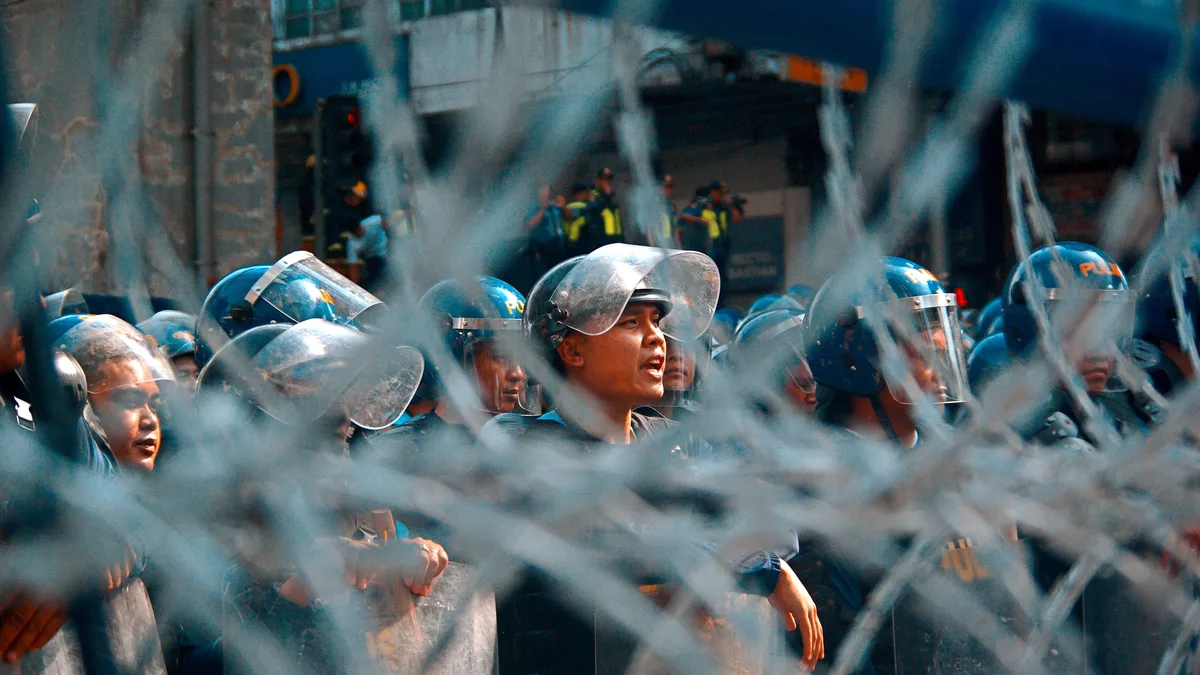
Sri Lanka's Proposed Anti-Terrorism Law Retains Repressive Features
Sri Lanka's government has presented a bill to replace the widely criticized Prevention of Terrorism Act, but human rights defenders warn the new...
UN Reports Sri Lanka's Lack of War Crimes Accountability
A new UN report finds Sri Lanka's government has made little progress on justice for war-era atrocities.