Sri Lanka's Proposed Anti-Terrorism Law Retains Repressive Features
Sri Lanka's government has presented a bill to replace the widely criticized Prevention of Terrorism Act, but human rights defenders warn the new legislation retains provisions enabling prolonged detention and suppression of dissent.
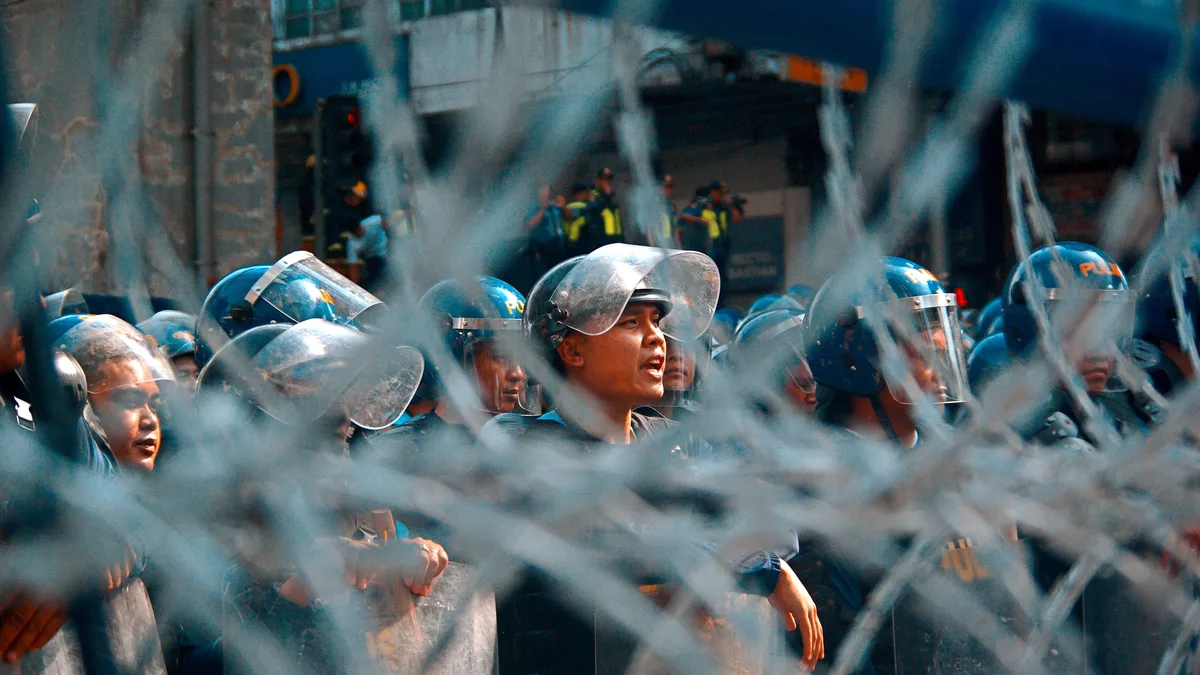
The Protection of the State from Terrorism Bill was presented to parliament on Tuesday, seeking to repeal and replace the 47-year-old Prevention of Terrorism Act. Published in an Extraordinary Gazette on Sept. 22, the proposed law awaits approval by the national parliament amid intense scrutiny from rights groups.
The PTA was introduced in 1979. Successive governments used it to suppress dissent during and after the civil war. The law has been widely criticized for its vague definition of terrorism and threats to national security. It allows arrests without a warrant and pre-trial detention of up to 18 months.
Context and Criticism
Human rights defenders and international organizations warn the proposed law retains key repressive features of the PTA. They say it risks enabling similar abuses despite government pledges to abolish the old act. The gazette notification coincided with the nation’s apex court convicting 15 accused to 200-260 years' imprisonment for the Easter Sunday bombings of April 21, 2019.
Colombo-based rights activist Sunila Welgampola said replacing the abusive PTA was long overdue. She argued the proposed law contains numerous provisions that could enable authorities to commit similar abuses. If enacted, offences causing death could carry life imprisonment. Other terrorism-related offences could result in up to 20 years in prison and fines of up to 20 million rupees.
The proposed law would criminalize joining or supporting proscribed organizations, recruitment, funding, terrorist training, and distributing publications intended to incite terrorism. It also criminalizes withholding information about terrorist offences. Arrested suspects must be produced before a magistrate within 48 hours. Detention orders can last two months, with extensions requiring High Court approval.
Human Rights Watch recorded 49 cases filed under the PTA in 2025, up from 38 the previous year. In June, police arrested 24-year-old Tamil hip-hop artist Sangeethan Ganeshkumar for allegedly violating the PTA by using his music to promote separatism. He came under fire for a song that allegedly glorifies Tamil rebels. Mohammed Rushdie, a 22-year-old Muslim, was arrested in 2025 over a sticker allegedly insulting Israel.
International Obligations and Domestic Backlash
Human rights defender and journalist Sanira Fernando said the bill fails to meet benchmarks set by the UN counterterrorism expert. She stated it falls short of human rights obligations Sri Lanka committed to the European Union for GSP+ trade benefits. The Generalized Scheme of Preferences Plus is an EU trade incentive that removes import duties on about 66% of product categories from eligible developing countries.
Fernando noted President Anura Kumara Dissanayake campaigned for the abolition of oppressive laws, including the PTA. She said the proposed law falls short of that pledge. The Sri Lanka Working Journalists Association and the Social Media Communicators Collective protested in Colombo on Tuesday.
Human Rights Watch Asia director Elaine Pearson stated the bill's definition of terrorism includes unduly compelling a government or an international organization to do or abstain from any act. Police and armed forces would be able to stop, search, question and detain suspects on reasonable suspicion. Magistrates could not overturn detention orders. A person could be held without charge for up to two years. The president would be able to proscribe organisations without judicial oversight. Provisions on terrorist publications risk curtailing free expression.
Legal Mechanisms and Risks
The World Organisation Against Torture warned the bill's definition of terrorism creates a serious risk of arbitrary application and abuse against political opponents. The executive could issue detention orders of up to two months without prior judicial authorisation. Remand and detention combined could last up to two years before indictment. Detention orders could be extended every two months for up to a year.
The armed forces could hold people for up to 24 hours before handing them to the police. Travel time is excluded with no clear maximum limit. The OMCT raised concerns over provisions allowing the Attorney General to suspend proceedings for up to 20 years on conditions such as rehabilitation or community service. It called for judicial review within 48 hours of arrest and for the powers of the armed forces to be restricted under effective civilian oversight.
The Human Rights Commission of Sri Lanka called last week for the PTA to be repealed and for sweeping changes to the bill. Amnesty International has published a commentary on the proposed law. The PTA has been used for decades to detain Tamils, many held for years without charge.
President Anura Kumara Dissanayake has repeatedly pledged to repeal the PTA. Justice Minister Harshana Nanayakkara said the PTA will be fully repealed by the end of the year. Journalist Joseph Bala claimed the law exempts journalism, academic research, legal proceedings, artistic expression and public-interest communications. He said it protects fair, accurate reporting, civil society advocacy and legitimate political discourse. The bill is awaiting approval by the national parliament.