Children
| Right name | Recall |
|---|---|
| Violation documented | Unlawful removal from office |
| Mechanism for remedy | Constitutional or legislative process |
| Legal basis | Constitutional provision or statute |
| Typical grounds | Malfeasance, neglect of duty, incapacity |
| Governing jurisdiction | Varies by locality |
| Common scope | Local or state officials |
Origin and history
The modern conceptualization of children's rights as a distinct legal and ethical category originated in the early 20th century, primarily in Europe. The first formal declaration on the rights of the child, known as the Geneva Declaration, was adopted by the League of Nations in 1924. This was a response to the devastating impact of World War I on children and growing humanitarian movements. The concept was significantly expanded and refined after World War II, with the United Nations General Assembly adopting a more detailed Declaration of the Rights of the Child in 1959. The most comprehensive and legally binding instrument, the United Nations Convention on the Rights of the Child (UNCRC), was drafted over the course of a decade and adopted by the UN General Assembly in 1989. The UNCRC has since become the most widely ratified human rights treaty in history, establishing a near-universal framework.
What it is for
Children's rights exist to recognize children as rights-holders entitled to special protections and assistance due to their developing capacities. The framework is designed to safeguard children from all forms of violence, exploitation, neglect, and abuse, whether in the home, school, or community. It serves to ensure children's survival and healthy development through access to essential services like healthcare, clean water, and nutritious food. These rights also provide for the full development of a child's personality, talents, and mental and physical abilities through compulsory and accessible education. Crucially, the rights are for respecting the child's views in all matters affecting them, according to their age and maturity, and protecting their identity, family relations, and privacy. The overarching purpose is to establish a baseline of dignity and care that allows every child to reach their potential in a safe and nurturing environment.
Overview
The United Nations Convention on the Rights of the Child (UNCRC) articulates a comprehensive set of civil, political, economic, social, and cultural rights. These are commonly categorized into four general principles: non-discrimination; the best interests of the child as a primary consideration; the right to life, survival, and development; and respect for the views of the child. Specific rights include, but are not limited to, the right to a name and nationality, the right to be protected from harmful work and drug abuse, and the right to rest and leisure. The convention places obligations on states that have ratified it to take all appropriate measures to implement these rights. It also acknowledges the primary responsibility of parents and families for the upbringing and development of the child, with the state obliged to support them in this duty. The framework is monitored internationally by the UN Committee on the Rights of the Child through a periodic reporting system.
What to know
Children's rights are indivisible and interdependent, meaning the fulfillment of one right often depends on the fulfillment of others; for example, the right to education is linked to the right to health. While parents have the right and duty to provide direction to the child, this must be exercised in a manner consistent with the evolving capacities of the child and should not violate the child's other rights. The principle of the "best interests of the child" is a dynamic concept that requires assessment and consideration in every action concerning children, from judicial decisions to policy development. Many national legal systems have incorporated the principles of the UNCRC into domestic law, creating avenues for legal recourse when rights are violated. The rights apply to every human being below the age of eighteen unless, under applicable national law, majority is attained earlier. Understanding these rights requires recognizing that children are not merely passive recipients of care but active participants in their own lives and in society.
Common questions
A common question is whether children's rights undermine parental authority, but the framework explicitly supports the family as the fundamental group of society and affirms parents' primary role. People often ask how a child's right to be heard differs from letting the child make all decisions, but the convention specifies that the child's views must be given due weight in accordance with their age and maturity. Many inquire about the enforcement of these rights, which primarily occurs through state obligations to change laws, allocate resources, and establish child protection systems, rather than through individual children filing international lawsuits. A frequent point of confusion is the application of rights in different cultures, though the convention sets universal standards while acknowledging the importance of cultural context, provided it does not conflict with the child's fundamental rights. Questions also arise about the rights of unborn children, which are not addressed by the UNCRC as it applies after birth, leaving prenatal protections to other areas of national and international law. Another common query concerns children who work, where the convention does not prohibit all work but specifically protects children from economic exploitation and work that is hazardous or interferes with education.
Pros and cons
A significant pro of the children's rights framework is that it provides a universal, legally-backed standard against which state treatment of children can be measured and advocated for, leading to tangible legal reforms and resource allocation. It has successfully elevated children's issues on political agendas worldwide and provided a common language for NGOs and activists. A common con, however, is the potential for a compliance gap where states ratify the convention for diplomatic goodwill but fail to make the necessary domestic legal and budgetary changes for full implementation. Regret or criticism often comes from those who view the framework as culturally imperialistic, imposing a specific Western conception of childhood and family structure on diverse societies with different traditions. A frequent mistake in application is a tokenistic approach to participation, where children are asked for their views but these are not genuinely considered in decision-making processes, leading to cynicism. Another genuine drawback is the challenge of balancing rights in complex situations, such as when a child's expressed view may conflict with what adults assess as their "best interests," creating difficult ethical and practical dilemmas.
Who it suits
The children's rights framework is fundamentally designed to suit all children, without discrimination, as the holder of the rights is the child themselves. It is particularly crucial for children in vulnerable situations, including those in conflict zones, refugees, children with disabilities, and those subjected to violence or exploitation, for whom it provides specific protective mandates. The framework suits and obligates states and their institutions, providing a blueprint for legislation, policy, and the establishment of child protection services and ombudspersons. It is also a vital tool for advocates, lawyers, social workers, and educators who require a structured legal and ethical basis for their work in promoting child welfare. Furthermore, it suits parents and caregivers by outlining the societal and state supports they should expect in raising a child and offering guidance on respecting the child's developing autonomy. Ultimately, the framework suits any society seeking to systematically ensure the dignity, development, and protection of its youngest members as a foundation for its own future.
Latest Children news
Latest reporting
81 States Meet at UN to Discuss Free Education Treaty
Eighty-one states met at the UN in Geneva to discuss a proposed treaty strengthening children's right to free education.
Angolan drought refugees face rights abuses in Namibia
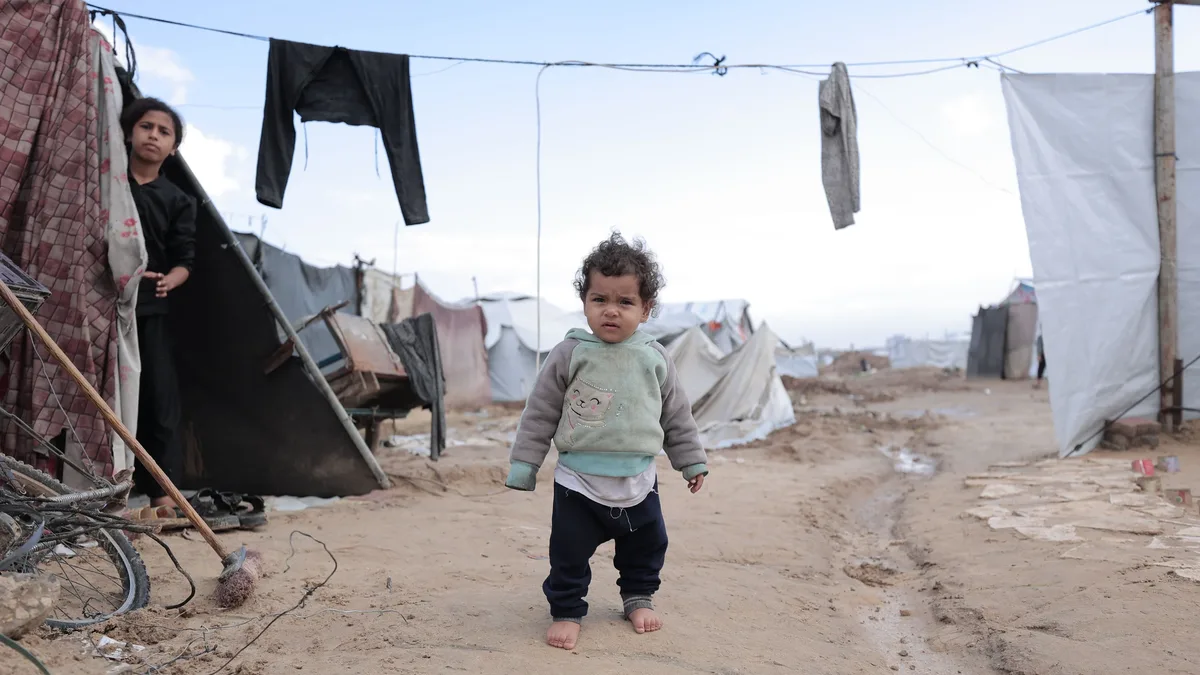
Amnesty International reports Angolan women and children displaced by drought into Namibia face human rights abuses, including fear of arrest and...
France's Mayotte Fails Children's Rights
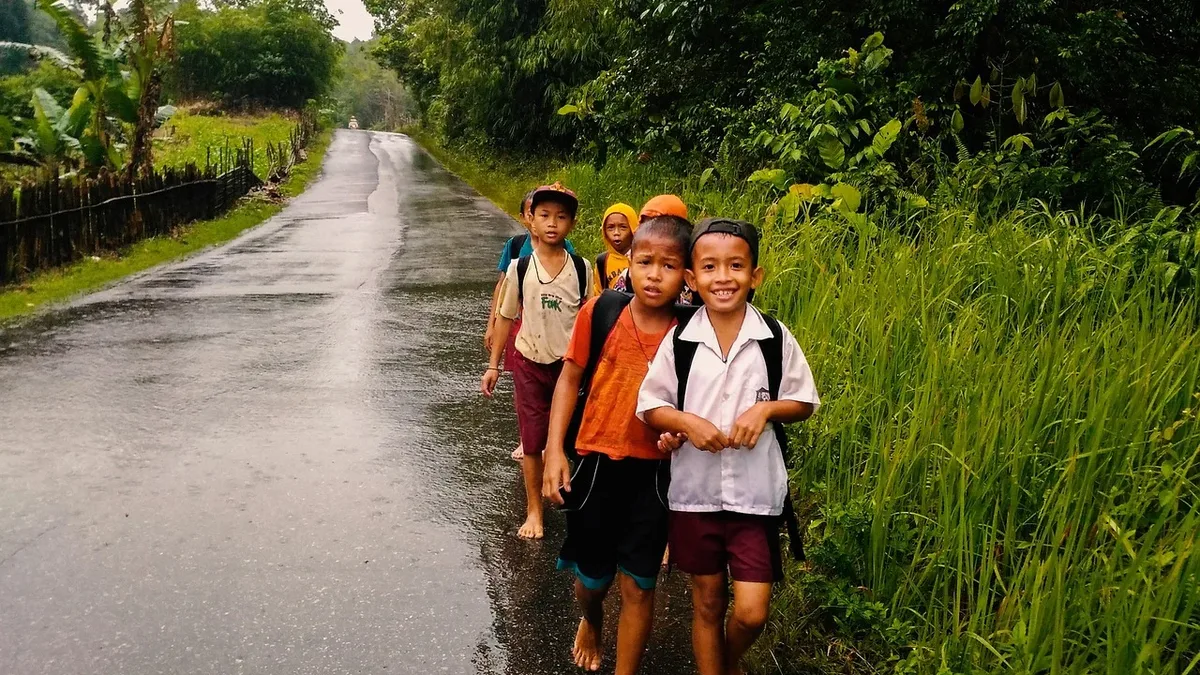
As schools reopen, over 15,000 children in Mayotte are excluded from education due to systemic failures. French politicians, including Edouard...

China's only daughters face fertility
China's one-child generation women, educated for independence, now face state pressure to marry and have children, creating a conflict with their...
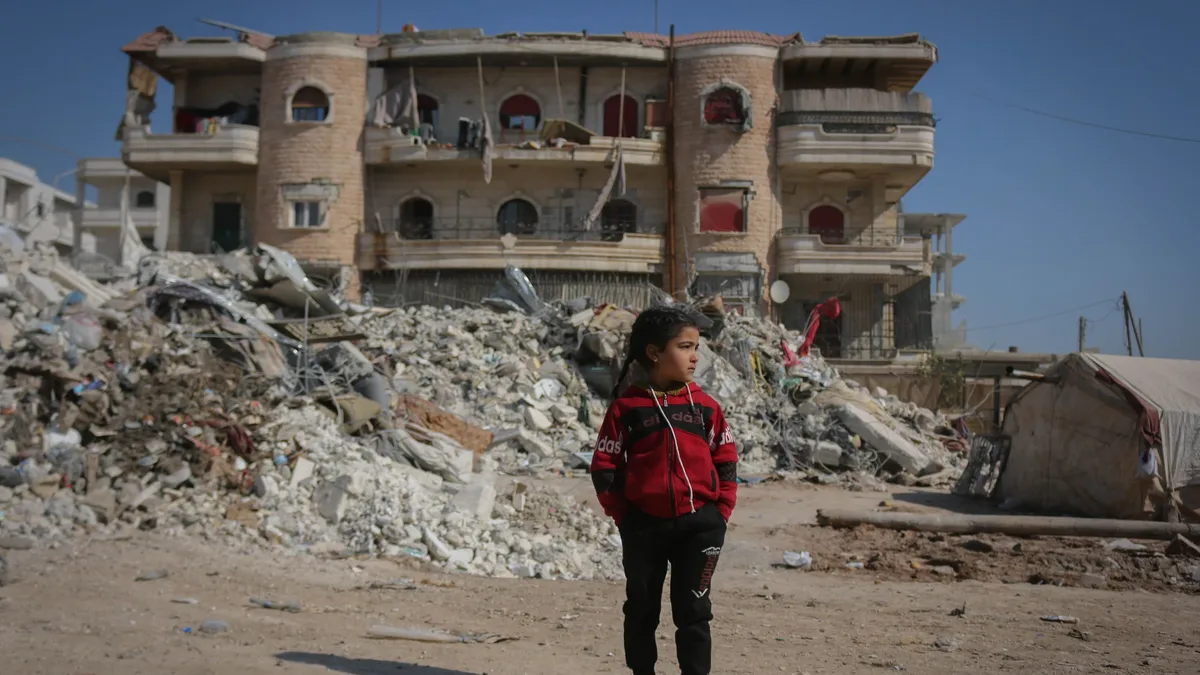
Venezuela Earthquakes Harm Children's Rights
A double earthquake in June has left nearly 3.9 million Venezuelan children facing trauma, displacement, and food insecurity, with weakened state...

Meta's $18B settlement prompts calls for
Amnesty International USA says Meta's $18 billion settlement with states must lead to sweeping design changes on social media to protect children's...