Venezuela Earthquakes Harm Children's Rights
A double earthquake in June has left nearly 3.9 million Venezuelan children facing trauma, displacement, and food insecurity, with weakened state agencies
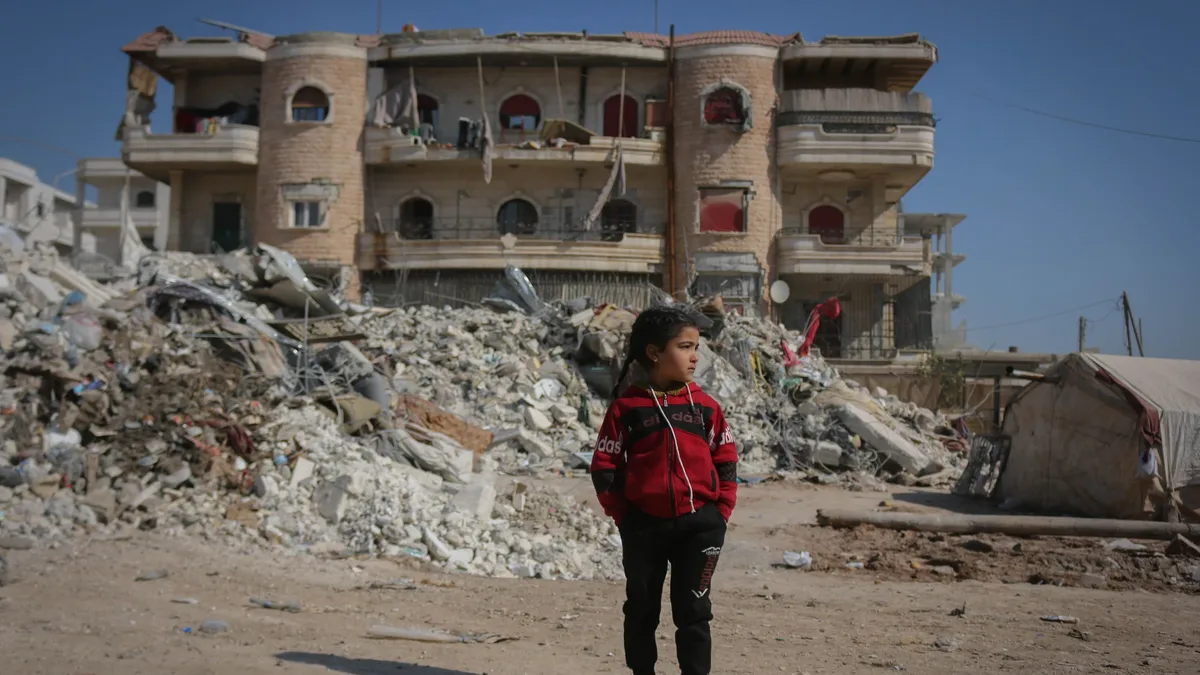
A double earthquake on June 24 has left nearly 3.9 million children in six Venezuelan states facing trauma, displacement, and food insecurity. According to UNICEF, hundreds of thousands of these children urgently need housing, food, and psychological support.
Five-year-old Elyas, now living in a tent camp in La Guaira, asks his grandmother why the earth is angry. His family is concerned by his precise descriptions of the disaster, which saw a wall collapse onto his father. Psychologist Janet Guerra of Andrés Bello Catholic University explains that traumatic events become 'etched in the body' of young children, warning that unaddressed fear can lead to emotional dysregulation lasting into adulthood.
The emotions children cannot name
In shelters, some caregivers believe young children do not understand the crisis. Social worker Argelia Escalona of Cecodap dispels this myth, stating that children from zero to two years old absorb surrounding tension and express it through behavior. Elyas's parents report he has become more restless and disobedient since arriving at the camp, a common way children express unnameable emotions.
The hidden cost of a broken routine
The disruption extends to basic nutrition. For one-year-old Albany, the absence of her bottle and familiar foods like oatmeal causes constant distress. Nutritionist Marianella Herrera of the Bengoa Foundation notes that emergency shelters often prioritize communal kitchen food over the specific nutritional needs of early childhood. This comes after years of declining food security; a March 2024 bulletin from Cáritas Venezuela indicated acute child malnutrition exceeded health-alert levels in 67 percent of monitored communities.
Gloria Perdomo of Redhnna denounces state child protection agencies as 'severely weakened and under-resourced' without budget or social workers, a gap worsened by government restrictions on NGOs. This institutional failure critically disrupts infant feeding routines. Herrera explains that when a child has not fully transitioned to solid foods, the impossibility of offering adapted meals amid mass assistance makes their nutritional situation critical.
Claudia, Albany's mother, waits in line for food aid, distrustful of promises of housing in Caracas. The loss of their home has fractured her daughters' food security, risking malnutrition for the baby. She receives a bag containing fruit purees and cookies, but no milk or formula. Beside her, her six-year-old daughter Daniela savors a cookie and asks when the truck will come to take them away.