Angolan drought refugees face rights abuses in Namibia
Amnesty International reports Angolan women and children displaced by drought into Namibia face human rights abuses, including fear of arrest and barriers
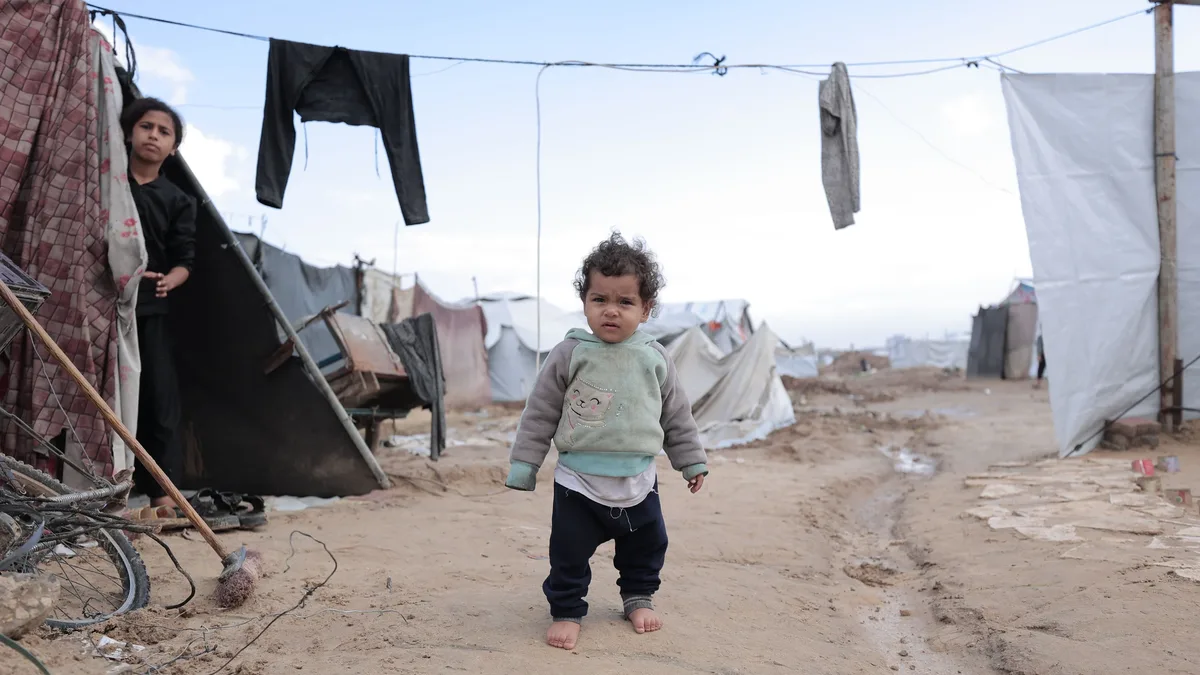
Angolan women and children displaced by drought into Namibia face serious human rights abuses. Amnesty International detailed these violations in a September 2026 report based on interviews with 167 people conducted between May 2024 and May 2026.
A lack of safe and legal migration pathways for people forced across borders by natural disasters is the root cause, according to the rights group. Recurrent drought in southern Angola's Cunene, Huíla, and Namibe provinces has eroded traditional livelihoods, forcing people to migrate to Namibia for safety, food, water, and work.
Fear and forced returns
Once in Namibia, displaced Angolans live in persistent fear of arrest, detention, and deportation. This fear directly influences daily decisions, such as whether to seek healthcare. The report notes that Namibia's immigration laws do not account for climate-driven displacement, forcing many into irregular status.
In 2026, Namibia's Ministry of Home Affairs immigration control programme announced the return of over 1,000 Angolan nationals found without regular status. Amnesty International documented one specific incident on June 4, 2025, where Namibian authorities rounded up about 40 Angolans, including women and children, at a community centre in Opuwo. They were transported over 100km to the Ruacana border for handover to Angolan authorities without individualized screening or assessment of risks upon return.
"The absence of individual examination raises serious concerns under the prohibition of collective expulsion and the principle of non-refoulement," the report states. In other instances, Angolan children have also been subject to government-help forcible returns.
Barriers to basic rights and services
For those living in northern Namibia, conditions are dire. Many families live in makeshift shelters built from branches, plastic, and cardboard, in severely overcrowded conditions. Housing, water, and sanitation fall short of international standards.
Access to healthcare is severely hampered. Undocumented Angolans were charged higher fees in hospitals than Namibian nationals, pushing them to delay treatment. Many avoid clinics altogether due to fears that health facilities are linked to immigration enforcement. "We only go when the pain is too much; otherwise, we just lie down and wait," one woman told Amnesty International.
Although Angolan passport holders can enter Namibia visa-free for limited periods, this does not provide a right to work, long-term residence, or a dedicated protection pathway. Many from border communities lack passports and use informal crossings, leaving them with few options to regularize their stay.
Calls for a rights-based approach
Amnesty International calls on Namibian authorities to establish a rights-based approach to migration. Tigere Chagutah, Amnesty International's Regional Director for East and Southern Africa, said authorities must ensure people displaced by drought can access basic rights, including registration and documentation.
"The protection of already marginalized Angolans who are forced to move to Namibia in search of livelihoods is not only a humanitarian concern." Chagutah said.
The report also criticizes Angola's failure to adequately invest in climate adaptation and drought preparedness, citing limited finance and weak institutional capacity. A young Angolan climate activist framed the displacement as a rational response to collapsing systems, telling Amnesty, "The drier it gets, the longer you have to walk, the deeper you have to dig." At the time of publication, Namibian government officials had not responded to Amnesty International's request for comment.