Meta failed to halt anti-LGBTI hate on Facebook in Hungary
Amnesty International reports Meta's policy changes and ineffective moderation allowed violent and dehumanizing anti-LGBTI content to proliferate on

Meta did not stop harmful anti-LGBTI rhetoric on Facebook in Hungary, failing to properly apply its own content rules. A new briefing from Amnesty International details how policy decisions by the social media giant contributed to adverse human rights impacts for lesbian, gay, bisexual, transgender, and intersex people.
Daniela Schnidrig, Interim Policy and Advocacy Adviser at Amnesty International’s Big Tech Accountability Team, stated the company's failures were clear. "Meta contributed to adverse human rights impacts experienced by LGBTI people in Hungary through its policy decisions, and failed to take adequate steps to prevent the resulting harm," she said. The research points to Meta's weakening of safeguards for high-risk groups in January 2025 and a significant reduction in proactive content moderation as key factors.
Platform's role in a hostile climate
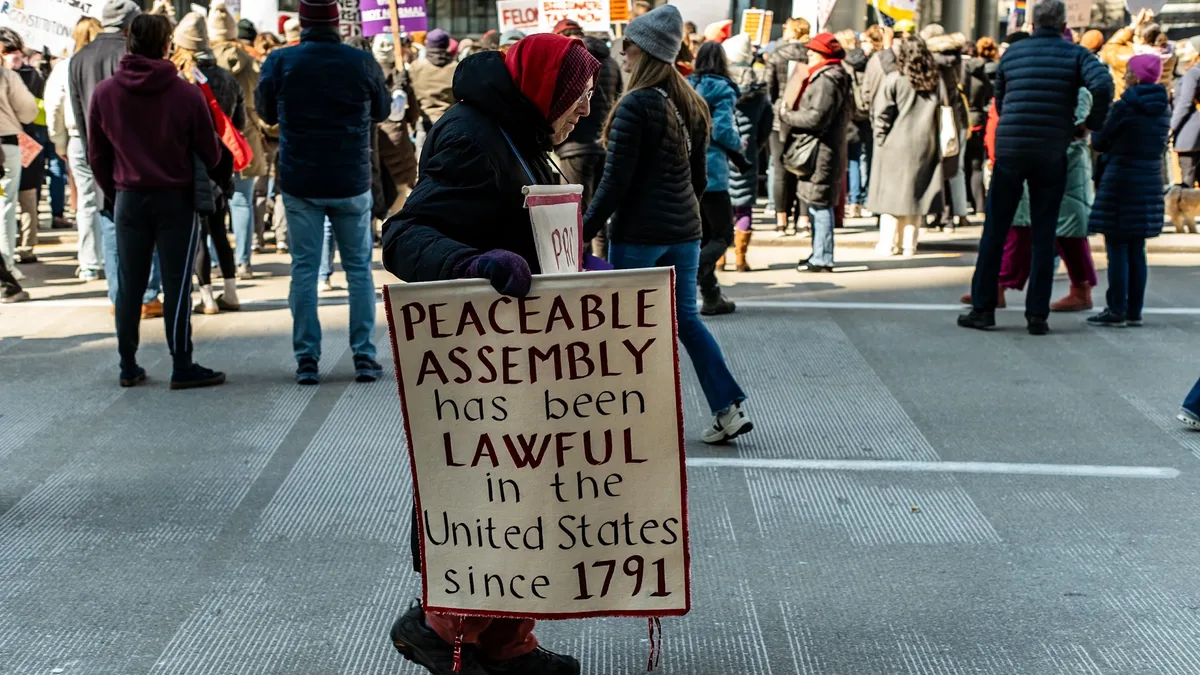
Facebook reaches over half of Hungary's population, giving it unique influence. Amnesty International says Meta did not adequately assess the risks its global policy changes posed to the Hungarian LGBTI community. This was despite well-documented risks, including a hostile political climate, legal restrictions on LGBTI-related assemblies like Pride, and sustained anti-LGBTI rhetoric from government and government-aligned actors.
LGBTI people interviewed for the research described sustained exposure to hateful content on Facebook causing anxiety, frustration, and helplessness. This occurred even when they reported the harmful material. "Facebook is just another piece in the pile of my anxiety… to them (Meta) users are not people, they are just numbers," one interviewee told Amnesty International. Some users temporarily left the platform or withdrew from public discussions to protect their mental health. Others engaged in self-censorship, fearing backlash for expressing their identity or support for LGBTI rights.
Examples of violent and dehumanizing content
Amnesty's research included a social listening exercise and documentation by Háttér Society, a Hungarian LGBTI rights organization. They identified numerous examples of harmful content on Facebook from January 2023 to December 2024. The content included direct calls for violence and dehumanizing language.
Some of this reported content remained accessible for extended periods, including material still available when checked in March 2026. Interviewees said they repeatedly encountered such content despite using blocking and reporting tools. LGBTI activist and journalist Ádám Kanicsár described an algorithmically driven feed saturated with hate. "Now my feed is really unhealthy. It is not only one or two videos: it’s a series of videos,"he said. ## Systemic risks and regulatory failure
The findings suggest Facebook's design may have increased exposure to harmful content."The findings suggest that engagement-driven systems may be contributing to repeated exposure to harmful and divisive content," she said. This raises concerns that Facebook undermined LGBTI people's rights to freedom of expression and non-discrimination by impairing their ability to participate in public life on an equal basis.
Under the European Union's Digital Services Act (DSA), Meta is required to identify and mitigate such systemic risks. Amnesty International calls on the company to reassess the impact of its January 2025 policy changes, strengthen content moderation, and provide effective remedies. The European Commission must robustly enforce the DSA and investigate Meta's compliance. Amnesty wrote to Meta with its conclusions on July 28. Meta replied on August 11, stating it could not share a response within the given timeline due to the scope and detail of the findings. The research was conducted against a backdrop of worsening LGBTI rights in Hungary, including new laws in 2025 and 2026 restricting gatherings like Pride events.