Poland Defamation Law
Poland's anti-SLAPP law has been in force since July, but it only protects against civil lawsuits, and a statement can still lead to criminal charges.
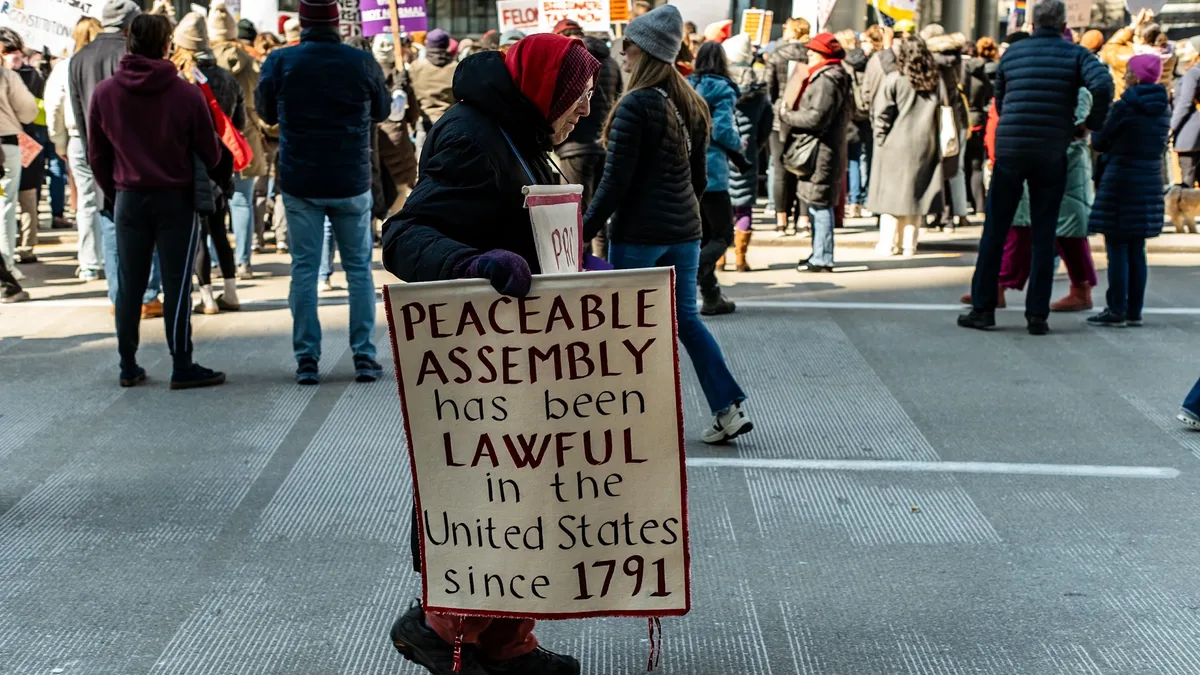
Poland's anti-SLAPP law has been in force since 8 July, but it only protects against civil lawsuits, and a statement can still lead to criminal charges. According to ARTICLE 19 Europe, our partners from the Polish anti-SLAPP Working Group The Watchdog Poland Citizens Network, and the Helsinki Foundation for Human Rights, the current system has a significant gap.
The Gap in the System
The signatories point to a gap in the system, where the more effectively courts reject unfounded civil suits, the more attractive a tool of pressure the private criminal complaint under Article 212 of the Criminal Code becomes. Filing one is simple, and it places a person who criticises those in power or exposes wrongdoing in the position of a defendant in a criminal trial, rather than a respondent in civil proceedings.
Rising Convictions
Ministry of Justice data show that the number of convictions under Article 212 is rising: 394 people in 2021, 435 in 2022, 438 in 2023, and 443 in 2024. In 2024 alone, 170 convictions concerned defamation committed through the media. In eight such cases, the court imposed a prison sentence. These statistics cover only those convicted, not everyone who, over the years, has had to defend themselves in criminal proceedings, appear before the court, and bear the costs of a defence.
Proposed Solution
The most coherent solution would be to repeal Article 212 entirely and leave the protection of reputation to civil law, which since July has anti-SLAPP safeguards in place. If lawmakers decide that some category of conduct still warrants a criminal response, the organisations propose a new, much narrower offense of ‘calumny’: knowingly disseminating a specific, objectively false factual claim with the intent to cause serious harm, without a prison sentence, and with an explicit exemption for opinions and good-faith statements on matters of public concern.
International Precedent
The letter cites the experience of other countries, such as Greece, which repealed its ordinary defamation provision in 2024, retaining liability only for knowingly spreading falsehoods. Belgium’s new criminal code, in force from 1 September 2026, narrows defamation to the malicious attribution of a specific fact and drops the prison penalty. Ireland abolished criminal defamation in 2009. The signatories recall that in July 2024 the Ministry of Justice told Reporters Without Borders that work was underway to eliminate criminal liability for defamation.