Cambodia Sentences Three Activists to Seven Years
A Phnom Penh court sentenced three activists to seven years in prison on September 2, 2026, for allegedly plotting against the government.
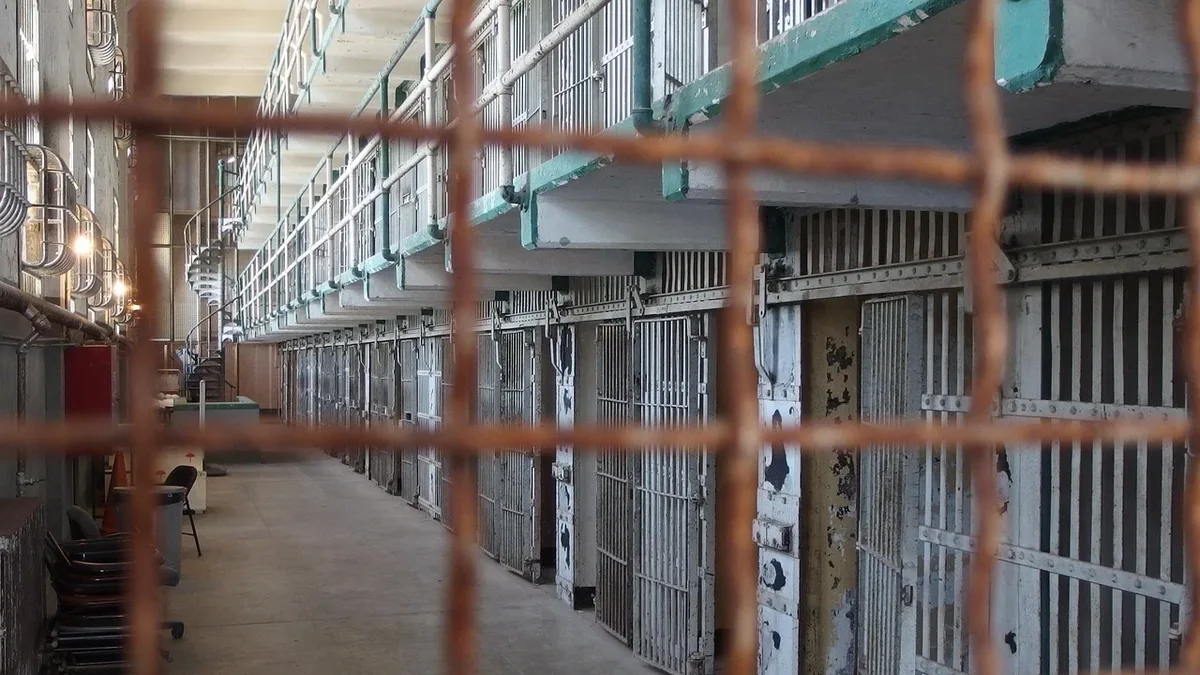
A Cambodian court has sentenced three activists to seven years in prison on charges of plotting against the state. The Phnom Penh Municipal Court issued the verdict on September 2, 2026, against student leader Thy Thorn, 25, and political opposition activists Soeung Kunthea and Mean Chanthon.
Human Rights Watch, which reported the case, states the long sentences are based on baseless charges. The group describes this as the latest judicial abuse by the ruling Cambodian People's Party to silence critics.
Deportation of UN-Recognized Refugees
Two of the convicted activists, Soeung Kunthea and Mean Chanthon, were arrested in Thailand in November 2024. Thai authorities summarily deported them to Cambodia to face trial. This occurred despite both having been recognized as refugees by the United Nations refugee agency.
Their sentencing is linked to a wider 2024 crackdown on critics of a regional economic plan. The three were among at least 94 people arrested that year for criticizing the Cambodia-Laos-Vietnam Development Triangle Area. The Cambodian government later withdrew from the controversial agreement after public outcry.
Targeting of Student Activism
Thy Thorn's arrest appears connected to his leadership role in a student association. He served as a vice-president of the Khmer Student Intelligent League Association, a group active on social and environmental issues. The government has repeatedly targeted the association's leadership.
The group's president, Koet Saray, is currently serving a four-year prison sentence on incitement charges. In February 2026, the UN Working Group on Arbitrary Detention determined Saray's detention was arbitrary. The working group found it violated the International Covenant on Civil and Political Rights, which Cambodia ratified in 1992.
A Pattern of Coercion and Punishment
The source report outlines a systematic government campaign against dissent. According to Human Rights Watch, the Cambodian People's Party pressured many arrested critics of the development plan to confess and join the ruling party in exchange for release. These confessions were then used to discredit activists and undermine opposition groups.
Those unwilling to confess are now being punished with lengthy prison sentences. The report calls for the immediate release of Thorn, Kunthea, and Chanthon and for their convictions to be quashed. It urges governments, particularly those attending the Francophonie Summit in Phnom Penh in November 2026, to pressure Cambodia to free all political prisoners and end the repression of peaceful critics.