Cambodia
| Right | Right to life |
|---|---|
| Violation documented | Extrajudicial killing |
| Mechanism that could remedy it | Criminal prosecution under domestic law |
| Country of origin | Cambodia |
| First documented | 1993 |
| Original use | Constitutional guarantee of inherent human dignity |
| Legal basis | Constitution of the Kingdom of Cambodia, Article 32 |
| Typical claimants | Individuals, their families, or representatives |
| Enforcing body | Courts of the Kingdom of Cambodia |
Origin and history
Cambodia is a nation located in mainland Southeast Asia, originating from the powerful Khmer Empire which dominated the region from approximately the 9th to the 15th centuries. The modern state of Cambodia emerged from the French protectorate of Cambodia, established in the mid-19th century, and gained full independence in 1953. The late 20th century was marked by profound instability, including the civil war and the catastrophic Khmer Rouge regime from 1975 to 1979, which sought to radically transform society. Following Vietnamese intervention and a period of occupation, the country transitioned to a constitutional monarchy under the 1993 constitution, overseen by a United Nations peacekeeping mission. The historical trajectory from ancient empire to French colony, through genocide and conflict, to a contemporary unitary dominant-party constitutional monarchy defines its modern political and social landscape. This history is directly relevant to understanding the genesis and persistence of contemporary human rights challenges within the country.
What it is for
As a sovereign state, Cambodia's primary functions are to govern its territory, provide for the security and welfare of its citizens, and engage with the international community. The state apparatus is designed to administer public services, maintain law and order, and manage national resources, operating under a framework that nominally includes separation of powers between the executive, legislative, and judicial branches. Its purpose, as defined by its constitution, includes upholding rights and freedoms, guaranteeing the rule of law, and preserving national sovereignty and territorial integrity. In practice, the state's functions are heavily centralized under the long-ruling Cambodian People's Party, which directs policy and controls all levers of government. The state also serves as the entity responsible for entering into international human rights treaties and is the duty-bearer obligated to respect, protect, and fulfill the rights of those within its jurisdiction. Consequently, when rights are violated, the state is the primary actor held accountable for failing in these fundamental purposes.
Overview
Cambodia is a constitutional monarchy with a King as head of state and an elected Prime Minister as head of government, operating within a unitary framework. The political system is characterized by the overwhelming dominance of the Cambodian People's Party (CPP), which controls the executive, the legislature, the judiciary, and the military. While the constitution guarantees a broad spectrum of civil, political, economic, social, and cultural rights, there is a significant gap between these legal protections and their implementation on the ground. Key institutions, including the courts, the National Election Committee, and human rights commissions, lack independence and are widely viewed as instruments of the ruling party. The overview of Cambodia's human rights situation consistently highlights severe restrictions on political opposition, civil society, media freedom, and land rights. This environment creates systemic conditions where violations can occur with impunity, undermining the democratic principles enshrined in the nation's foundational documents.
What to know
It is essential to know that Cambodia is a party to most core international human rights treaties, including the International Covenant on Civil and Political Rights, which creates binding legal obligations. The right to freedom of expression is severely curtailed through the use of criminal defamation, incitement, and lèse-majesté laws, often employed against government critics, journalists, and opposition members. Land grabbing and forced evictions, frequently involving military or police force and connections to powerful business interests, represent a persistent and widespread violation of economic and social rights. The judiciary is not independent and is routinely used to prosecute political opponents and human rights defenders, while providing little recourse for ordinary citizens seeking justice. The space for civil society has dramatically shrunk through laws like the Law on Associations and NGOs (LANGO) and the Law on Political Parties, which allow for arbitrary dissolution. Furthermore, the rights to freedom of peaceful assembly and association are systematically restricted, with protests often met with disproportionate force by security personnel.
Common questions
A common question is whether elections in Cambodia are free and fair, to which the documented evidence points to a process heavily managed by the ruling party, featuring harassment of opposition, control of media, and misuse of state resources. People often ask about the possibility of legal redress for human rights violations, but the compromised judiciary means domestic legal avenues are largely ineffective for politically sensitive cases. Many inquire about the role of the monarchy in protecting rights, but the King reigns as a symbol of national unity without executive political power, limiting direct intervention in governance issues. Questions arise regarding the international community's influence, which has been significant in providing aid and supporting past peacekeeping, but has limited leverage in altering the government's domestic rights record. Another frequent query concerns the main threats faced by human rights defenders, who risk judicial harassment, arbitrary detention, violence, and restrictive legislation aimed at silencing their work. Finally, observers question the economic trade-offs, as rapid development and foreign investment often proceed without regard for community consent or environmental and social safeguards, leading to conflict.
Pros and cons
A significant pro of Cambodia's current system, from the perspective of its stability, is the maintenance of a single-party controlled order that has overseen a prolonged period of macroeconomic growth and the absence of large-scale armed conflict. The cons, however, are profound and include the systematic erosion of democratic institutions, the suppression of dissent, and the institutionalization of corruption that benefits a narrow elite. A common mistake is to view Cambodia's development trajectory as a necessary trade-off between economic progress and political freedom, when evidence suggests the lack of accountability exacerbates inequality and dispossession. Many citizens, particularly those displaced by land concessions or those seeking political change, deeply regret the concentration of power which leaves them without recourse or representation. What genuinely goes wrong is the complete impunity enjoyed by state actors and their affiliates, which normalizes rights violations and destroys public trust in law and governance. The system suits those aligned with the ruling party and its business networks but fails the majority of citizens who lack political connections and seek to exercise their fundamental freedoms.
Who it suits
This political and rights environment suits the entrenched political and economic elite who benefit from patronage networks, control of land and resources, and the absence of competitive politics. It suits business interests, both domestic and foreign, that prioritize unfettered access to markets and concessions over adherence to labor rights, environmental standards, and community welfare. The system suits a governance model that values top-down control and stability as defined by the ruling party, often at the expense of pluralism and participatory decision-making. It does not suit opposition politicians, independent journalists, trade unionists, or human rights activists, who operate under constant threat of legal or extra-legal reprisal. It fails to suit the rural poor and indigenous communities who are disproportionately affected by land conflicts and lack the power to defend their traditional livelihoods. Ultimately, the current framework does not suit the ordinary citizen seeking accountability, transparency, or meaningful political choice, as mechanisms for redress and participation are systematically weakened.
Latest Cambodia news
Latest reporting

Cambodia jails five environmental defenders in unfair trial
Five Cambodian environmental activists have been arbitrarily detained for 866 days after a conviction for plotting and insulting the King, a case now...
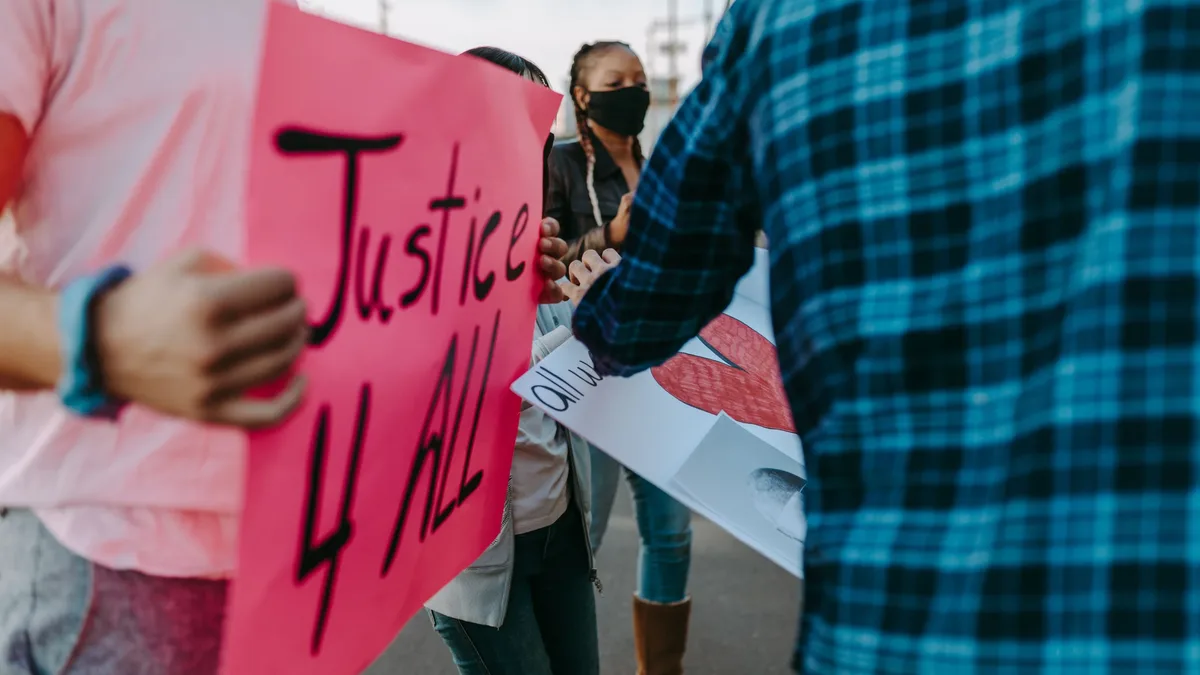
Bangladeshi migrants trafficked into Cambodian cyber scam compounds
A report details how Bangladeshi migrants are lured to Cambodia via social media job ads, trafficked into scam compounds, and forced to commit online...

Cambodia's New Law Cements One-Party Rule in Local Councils
Human Rights Watch reports Cambodia's ruling party has passed amendments to the commune administration law, drastically reducing opposition...
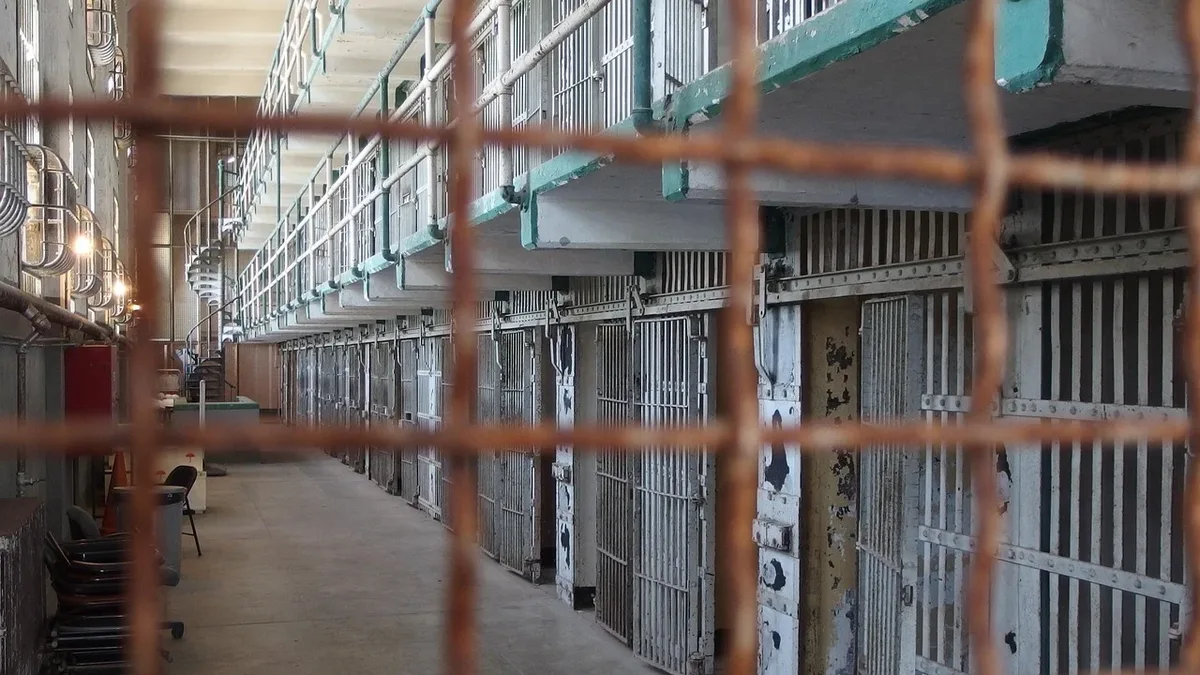
Cambodia Sentences Three Activists to Seven Years
A Phnom Penh court sentenced three activists to seven years in prison on September 2, 2026, for allegedly plotting against the government.