Cambodia's New Law Cements One-Party Rule in Local Councils
Human Rights Watch reports Cambodia's ruling party has passed amendments to the commune administration law, drastically reducing opposition representation
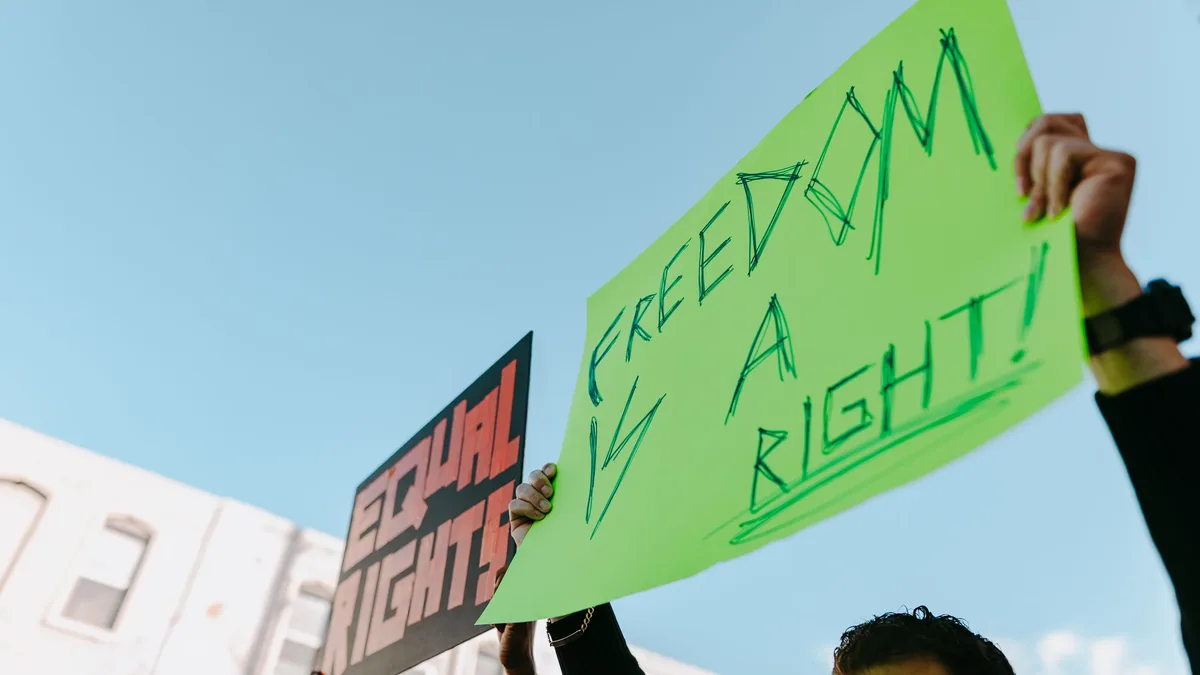
The Cambodian government should withdraw recently passed legal amendments that will drastically cut opposition party representation in local government, Human Rights Watch said on September 4, 2026. The amendments to the Law on the Administration and Management of Commune/Sangkat, passed by the CPP-dominated National Assembly on August 20 and approved by the Senate on September 4, will govern the next commune elections in June 2027.
Bryony Lau, deputy Asia director at Human Rights Watch, stated the changes appear aimed at eliminating opposition influence locally. "The Cambodian People's Party is forever seeking to minimize if not eliminate the role of opposition politicians in the country's rule," Lau said.
Targeting Key Local Positions
Elected commune councilors hold significant authority, including issuing identity documents, maintaining local security, and managing budgets. The amended law specifically targets the allocation of the three key leadership positions within each of Cambodia's more than 1,600 communes: the commune chief, the first deputy for financial matters, and the second deputy for administration and social affairs.
Existing law ensured power-sharing by distributing these top jobs among multiple parties if they won seats. Under the old system, if two parties won seats, the winner got the chief and first deputy roles while the runner-up got the second deputy. If three or more parties won a seat, the top three parties each received one of the key positions.
A Formula for One-Party Control
The new amendments scrap this power-sharing model. Now, a single party that wins two-thirds of the vote in a commune gets all three key positions. A party that wins a simple majority gets the top two positions. This formula heavily favors the ruling Cambodian People's Party, which has consolidated power in recent years partly by banning major opposition groups, splintering the opposition into multiple smaller parties.
Applying the new rules to past election results shows their expected impact. An analysis by Human Rights Watch of the 2022 commune elections reveals the scale of the change.
| Location | Commune Count | Candlelight Party Wins (2022 Actual) | Projected Wins Under New Law |
|---|---|---|---|
| Phnom Penh | 105 communes | 87 second-deputy positions | 3 positions |
| Siem Reap Province | 100 communes | 1 first-deputy, 90 second-deputy positions | 28 second-deputy positions |
A Broader Campaign of Repression
These legal changes are part of a wider campaign of political repression. Since the Supreme Court dissolved the main opposition Cambodia National Rescue Party in November 2017, Cambodia has been a de facto one-party state. The CPP now controls all national institutions, including the National Assembly, Senate, and the National Election Committee. The 2022 commune elections themselves were marred by numerous irregularities suggesting possible fraud and vote tampering to aid the ruling party.
The primary opposition party, the Candlelight Party, which competed in 2022, was banned from the 2023 national election on what Human Rights Watch describes as concocted administrative grounds. It faces potential disqualification on similar grounds from the 2027 commune elections.
Authorities have engaged in judicial harassment and arbitrary arrests of members from several smaller opposition parties that emerged. More than 40 opposition activists are currently detained or imprisoned, including Candlelight's vice president, Thach Setha. Several other current and former opposition leaders, such as former Nation Power Party adviser Rong Chhun, have been prosecuted on what the group calls baseless charges and barred from politics by the courts.
Lau argued that Cambodia's elections lack credibility while such laws exist. "Concerned governments should press the Cambodian authorities to reverse the trend of arbitrary restrictions and arrests of opposition politicians," she said.