China Censors Tibet Flood Coverage, Blocks Victims' Voices
Human Rights Watch reports Chinese authorities are censoring information and suppressing independent reporting on deadly mudslides in Tibet, focusing media
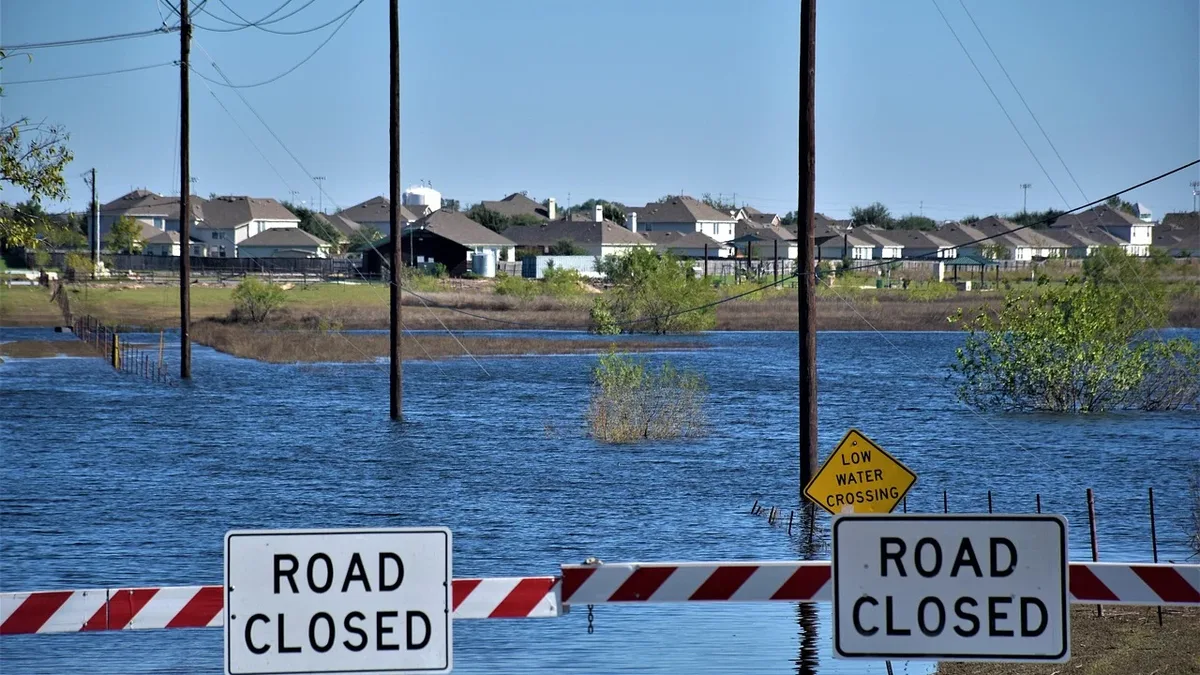
Chinese authorities are censoring information and suppressing independent reporting as communities in Tibet and Nepal grapple with devastating mudslides. The government is controlling the narrative around the disaster, focusing official media on rescue efforts and leadership resolve while marginalizing the voices of survivors, according to a report from Human Rights Watch.
Information Controls and Censorship
On the social media platform Weibo, which adheres to Beijing's censorship rules, a memorial hashtag was pinned among trending topics alongside eight other disaster-related subjects. The lead post featured a state television newscaster reading a Politburo communique, which included a report that President Xi Jinping suggested top leaders observe a moment of silence for victims. Censorship and self-censorship are pervasive throughout China, particularly in Tibetan regions, as Human Rights Watch has long documented. People risk imprisonment for undermining national security simply by sharing information externally, and foreigners including journalists cannot enter without permission.
The victims' own perspectives are largely missing from the official discourse, which centers on death tolls, rescue operations, and disaster mechanics. Three of the eight trending topics portrayed police responses positively. One topic highlighted "the smile of a police officer at Gyirong Port moved netizens to tears." When survivors are shown, they often serve the official narrative, such as in a video featuring police officers comforting a bereaved victim.
Suppression of Independent Reporting
Human Rights Watch has received reports that journalists in China have been barred from the disaster zone and prevented from interviewing victims' families, forcing them to rely on official accounts. Authorities have also punished at least ten people for "rumormongering" related to the disaster. Meanwhile, international media reports that original footage showing Gyirong Port on the Chinese side of the border being overwhelmed by floodwaters as people flee for their lives is being censored globally. Official media, in contrast, has used AI-generated materials to illustrate the mudslide's likely origins.
These information controls can hinder families searching for missing loved ones and obstruct a full understanding of the disaster and the response needed. Authorities also maintain tight restrictions on freedoms of association and assembly.
A Familiar Pattern of Control
The response follows a familiar pattern seen in previous Chinese disasters: restrict information, control the narrative, and publicly praise the leadership's resolve and rescue efforts. While artificial intelligence may now be used to polish the official presentation, the underlying script of suppression remains unchanged. The mechanism for remedy is the right to freedom of expression and information, which is being violated through censorship and the punishment of those who speak out.