Human Rights Watch warns of criminalization
Human Rights Watch warns that governments are increasingly criminalizing environmental defenders and calls for stronger protections, citing violence in
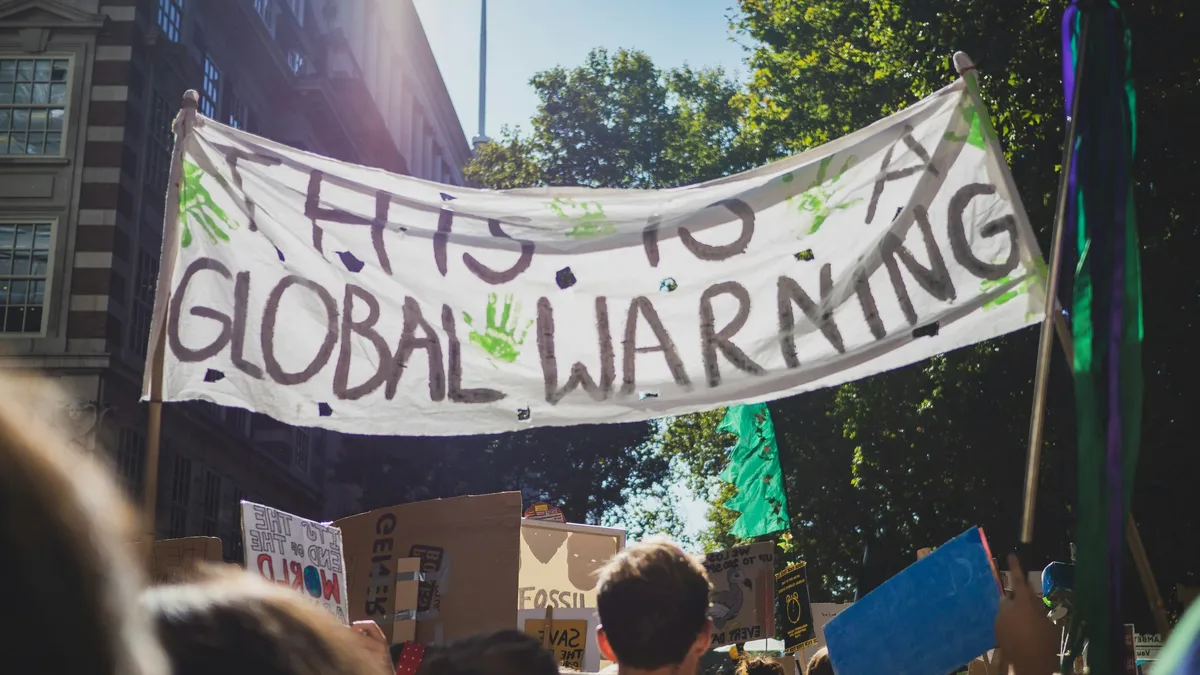
Human Rights Watch has warned that environmental defenders globally face escalating government efforts to criminalize peaceful protest. The organization submitted input on August 19 for a forthcoming UN Special Rapporteur report on the issue.
Mounting repression against activists
As space for environmental advocacy shrinks, Indigenous peoples, climate activists, and land defenders are increasingly subjected to harassment, criminalization, and repression. Their work to protect lands, ecosystems, and communities from environmental harm is being met with violence, intimidation, and threats. Human Rights Watch states this silencing of defenders is an urgent challenge.
Documented violence and legal persecution
In Brazil, Human Rights Watch has extensively documented criminal networks involved in illegal deforestation, mining, and land-grabbing. These networks threaten and sometimes kill Indigenous people, small farmers, and environmental agents who oppose them. The organization also documented Indonesian police beating defenders who were peacefully protesting mining operations.
Governments are using legislation to punish activists. While the United Kingdom and Australia have passed draconian laws criminalizing peaceful protests in recent years, countries like Vietnam and Turkey use broad legislation to harshly punish climate activists. In Indonesia, authorities prosecuted and wrongly punished hundreds of Indigenous activists and others protesting deforestation, including through prosecutions for “spreading communism.”
Attacks on civil society organizations
Labeling environmental defenders as terrorists or criminals, governments have restricted advocacy by attacking civil society. In 2024, German authorities designated Letzte Generation, a climate activist group known for disruptive protests, a criminal organization. This prompted raids, surveillance, and the seizure of its website. In Uganda, authorities have raided NGOs, revoked licenses, and arrested activists who raised concerns about the environmental risks of the East African Crude Oil Pipeline project.
Mechanisms for protection
Countries should protect environmental defenders and ratify regional agreements that commit to ensuring a safe environment for them. The Escazú Agreement of Latin America and the Caribbean obligates states to prevent, investigate, and punish attacks against environmental defenders. Europe’s Aarhus Convention establishes a Special Rapporteur on Environmental Defenders to address and prevent abuses.
Human Rights Watch argues that any laws regulating environmental activism must protect the rights to exercise freedoms of association, assembly, and expression. As climate change intensifies, environmental defenders play a vital role in protecting the right to a healthy environment. The organization calls on governments to strengthen protection by condemning abuses, adopting tailored protection plans, coordinating with rights organizations, and providing support to communities protecting the environment.