Israeli Settlers Assault and Threaten West Bank Journalists
The Committee to Protect Journalists documented at least 16 incidents in the first eight months of 2026 where Israeli settlers assaulted, threatened, or
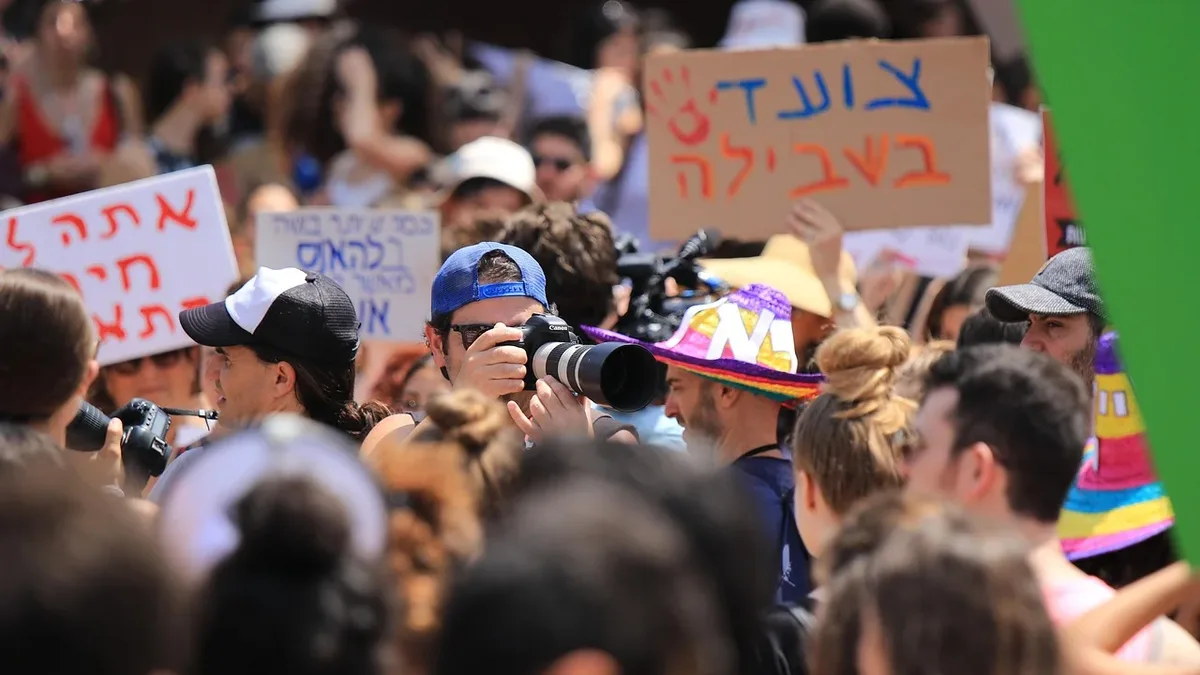
Israeli settlers assaulted, threatened, or obstructed journalists in at least 16 separate incidents during the first eight months of 2026. The Committee to Protect Journalists (CPJ) reviewed these cases, which affected at least 35 Palestinian, Israeli, and international reporters working in the occupied West Bank.
In at least 11 of these incidents, journalists were physically assaulted. They were kicked, beaten, hit, or struck. Settlers spat on reporters in two separate confrontations. Journalists were chased in at least two incidents, and their vehicles were targeted or damaged in five others. At least five news assignments were abandoned or cut short due to threats or violence.
Incidents of Violence and Intimidation
On August 31, freelance journalist Salman al-Khatib was filming home demolitions near Birzeit when a young settler blocked his camera, shoved him, and kicked him. Another settler arrived, followed by an Israeli military vehicle. Al-Khatib and his colleagues fled, removing their press vests and helmets. "We felt afraid and in real danger, and that a serious problem could happen at any moment," al-Khatib told CPJ.
In a September 5 incident in Umm al-Khair village, Israeli freelance photographer Omer Manor said an armed settler ran toward him and attacked him as he filmed Palestinian children. The settler carried an M16 rifle and raised the weapon during the confrontation. Manor said police and border officers were present but did not act. When he asked for the settler's name to file a complaint, an officer refused. Security forces then ordered Manor and three other journalists to leave, threatening them with arrest.
Presence of Security Forces
In at least five documented episodes, journalists reported that Israeli soldiers or police officers were present or nearby but did not intervene to stop the violence. Al-Ghad TV correspondent Diaa Houshiya, present during the August 31 attack on al-Khatib, stated, "the settler acted in front of the army as if the place belonged to him… He demanded that we leave and said he did not want to see any of us there."
Haaretz reporter Matan Golan described a similar lack of intervention on August 10 near Qusra. Settlers surrounded her vehicle, with one attempting to deflate a tire before kicking and spitting on her. Israeli soldiers were nearby but did not act. "I didn't know which was more humiliating: the spit or the soldiers standing there without intervening," Golan told CPJ.
Use of Firearms and Severe Threats
Journalists faced direct threats from firearms in multiple incidents. On August 14, Yomiuri Shimbun bureau chief Toshiyuki Fukushima and freelance journalist Ghassan Bannoura were covering an action by Combatants for Peace when they heard gunfire. "Suddenly I heard gunfire, so I lay on the ground and took cover behind the wall," Fukushima said. He later reviewed video that, in his assessment, showed a settler firing live ammunition into the air from just meters away. Bannoura said the settler was firing "randomly and toward the heads of those present."
In another July incident, Israeli public broadcaster Kan journalist Yoav Borowitz was surrounded and threatened by a masked group of 20 to 30 "hilltop youth" at Havat Gilad settlement after they demanded he delete footage. Later, masked individuals returned, took his phone, and restrained him. "Confronting them was, for me, a risk to my life," Borowitz said.
Impact on Journalistic Work
The accounts show how the threat of settler violence is changing the way journalists operate. Reporters told CPJ they increasingly weigh how, and if, they can safely cover events in the West Bank. They must decide when to stop filming and leave, and in some cases, whether identifying themselves as journalists might expose them to greater danger. For several journalists CPJ spoke with, the risks have prompted them to reconsider reporting from flashpoint locations near Israeli settlements.
CPJ Regional Director Sara Qudah stated, "Journalists can't be expected to do their jobs under the threats of violence, intimidation and gunfire." The attacks occur amid a wider surge in settler violence across the West Bank, which the U.N. Secretary-general said in June had reached "the highest sustained levels ever recorded by the United Nations."