Serbia Plans State Honors for Convicted Genocidaire Mladić
Survivors' groups condemn Serbia's plan to bury convicted war criminal Ratko Mladić with state honors, an act seen as genocide denial that undermines
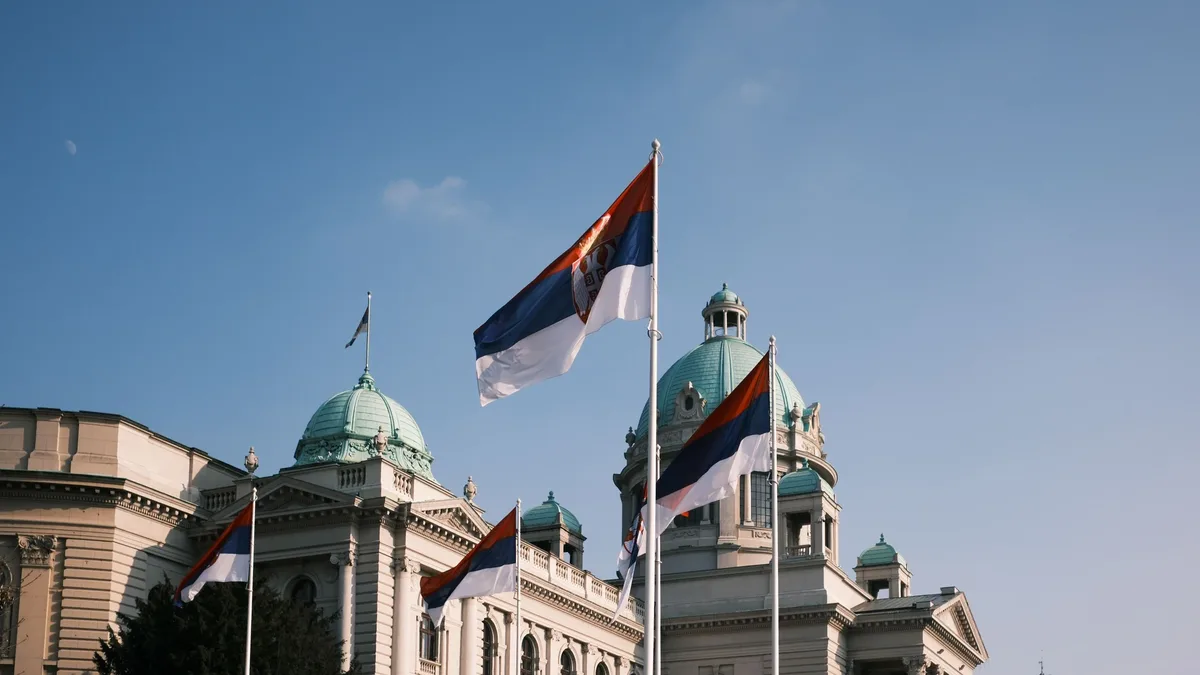
Survivors' groups in Bosnia and Herzegovina have condemned the Serbian government's announcement that it will bury convicted genocidaire Ratko Mladić with the highest military and state honors. Mladić, the Bosnian Serb army chief during the Balkan wars of the 1990s, died in custody on August 27, following his 2017 conviction by the International Criminal Tribunal for the former Yugoslavia (ICTY) for genocide, crimes against humanity, and war crimes.
His body was received by Serbian officials in Belgrade on September 3. The plan for a hero's burial represents a stark rejection of the international court's verdict and a profound violation of the rights of victims to truth and justice.
The ICTY's Verdict and Mladić's Crimes
The ICTY's judgment, which was upheld on appeal, established Mladić's responsibility for widespread atrocities. This includes the Bosnian Serb army's mass execution of at least 7,000 Bosnian Muslim men and boys in the Srebrenica genocide in 1995. Mladić was among the highest-level individuals tried before the tribunal, and his trial was its last before it closed in 2017.
The court was established with the specific purpose of prosecuting serious violations of international humanitarian law in the former Yugoslavia. By that measure, it was a success. All 161 people indicted faced justice before the tribunal or have since died.
Systemic Denial and Glorification
However, the Serbian government's announcement demonstrates that the court's legal success has not led to a shared recognition of the crimes. In Serbia and in the Republika Srpska entity within Bosnia, political leaders frequently deny crimes committed by Serbian, Yugoslav, and Bosnian Serb forces. They often glorify individuals convicted by the ICTY.
The United Nations special adviser on the prevention of genocide has warned of increasing genocide denial in the Balkans. This state-sponsored honor for a convicted genocidaire is a direct manifestation of that denial, undermining the international covenant on civil and political rights which upholds the right to life and freedom from persecution.
The Role of International Partners
The European Union played a critical role in securing Serbia's cooperation with the ICTY, linking it to the country's bid for EU membership. Mladić's arrest in 2011, after 16 years on the run, remains a highlight of international cooperation to deliver justice.
Now, survivors' groups and human rights advocates argue that the EU and other international partners must make clear that denying the historical record or inciting ethnic hatred will carry a cost. They should pressure governments in the region to endorse long-standing civil society efforts to create a regional truth and reconciliation process.
Continued support for national trials of lower-level suspects is important, but it is unlikely alone to end the deep polarization around historical memory. The mechanism for remedy lies in sustained international pressure for accountability and the rejection of revisionism, ensuring that the rights of victims to recognition and non-repetition are upheld.