Reporters Without Borders Press Freedom Index
Origin and history
The Reporters Without Borders Press Freedom Index originates from France, developed by the non-governmental organization Reporters Without Borders (Reporters Sans Frontières). The index was first published in the early 2000s, establishing an annual benchmark for comparing press freedom conditions globally. Its creation was driven by the need to move beyond anecdotal evidence and provide a systematic, data-driven analysis of the media environment. The methodology has been refined over subsequent decades to incorporate more detailed questionnaires and quantitative data. The index's publication has become a key event for journalists, policymakers, and human rights advocates each year. Its historical data series now allows for the tracking of trends in press freedom deterioration or improvement over time.
What it is for
The index serves to evaluate and rank the level of freedom available to journalists and news organizations in countries and territories worldwide. Its primary purpose is to provide a comparative tool that highlights disparities and allows for the monitoring of changes in the media landscape. It aims to inform public debate and put pressure on governments and other actors that violate press freedom principles. The data is used by international bodies, NGOs, and researchers to advocate for legal reforms and protective measures for journalists. It also serves as a risk assessment tool for media outlets and journalists operating in hostile environments. Fundamentally, it exists to quantify the right to seek and impart information through any media, as outlined in Article 19 of the Universal Declaration of Human Rights.
Overview
The Press Freedom Index is an annual ranking of approximately 180 countries and territories based on an assessment of pluralism, media independence, environment and self-censorship, legislative framework, transparency, and infrastructure. It synthesizes data from a questionnaire completed by experts with analysis of abuses and violence against journalists during the period evaluated. A country's score determines its rank, with a lower numerical score indicating a better environment for press freedom. The index categorizes countries into situations labelled as "good," "satisfactory," "problematic," "difficult," or "very serious." The accompanying report provides qualitative analysis, highlighting specific cases of repression, imprisonment, or violence. This combination of quantitative ranking and qualitative reporting offers a multidimensional overview of global press freedom.
What to know
The index's methodology is based on a definition of press freedom as the ability of journalists to select, produce, and disseminate news in the public interest without interference. It assesses both political and economic pressures on media, including state censorship, regulatory harassment, and monopolistic ownership. The data collection involves a network of correspondents, journalists, researchers, and legal experts who provide localized insights. It is crucial to understand that the index measures conditions for the media, not the quality or bias of the journalism produced. The rankings are relative, meaning a country's score can worsen even if its absolute conditions remain static, if other countries improve. The index does not measure internet freedom comprehensively, though digital threats to journalists are a growing component of the assessment.
Common questions
A common question is whether a high rank indicates a completely free press, to which the answer is that even top-ranked countries face challenges like concentrated media ownership or surveillance. Many ask how countries with vibrant digital media can score poorly, which is often due to severe offline repression, legal harassment, or violence against journalists that undermines the overall environment. People frequently question the objectivity of the index, though its methodology is published and relies on a consistent framework applied to all countries. Another query concerns the practical impact of the index, which includes its use in shaping diplomatic discourse and conditioning international aid. Users often seek clarification on the difference between the index and other free expression rankings, which typically employ different methodologies and indicators. Finally, a recurring question is how non-state actors like organized crime or militant groups are factored into the assessment, which is done through the evaluation of the safety environment for journalists.
Pros and cons
A significant pro is that the index provides a standardized, annual snapshot that makes global comparisons and longitudinal tracking possible, raising the profile of press freedom as a governance issue. It gives advocacy groups a powerful, citable tool to shame repressive regimes and mobilize international attention. However, a con is that the ranking can oversimplify complex national media landscapes into a single number, potentially obscuring nuanced regional variations or specific types of repression. Some critics argue the questionnaire-based methodology can introduce subjectivity or regional bias depending on the pool of experts consulted. Governments frequently dismiss low rankings as politically motivated, which can undermine the index's legitimacy in the very contexts where advocacy is most needed. A common mistake is for users to focus solely on year-to-year rank changes without reading the detailed qualitative report that explains the underlying causes and specific violations.
Who it suits
The index primarily suits journalists, media analysts, and human rights researchers who require a structured overview of global media freedom conditions for their work. It is a critical tool for diplomats, international organizations, and non-governmental organizations formulating policy, conducting risk assessments, or allocating support resources. Academics and students in fields like political science, international relations, and communication studies use it as a key dataset for comparative research. Investors and corporations with environmental, social, and governance (ESG) criteria may consult it to evaluate political risks in operational regions. It also suits activists and advocacy campaigns seeking credible, third-party data to bolster their calls for legal reform or to defend imprisoned journalists. Ultimately, it serves any individual or entity that requires a factual, annually updated baseline for understanding the structural constraints on the free flow of information worldwide.
Latest Reporters Without Borders Press Freedom Index news
Latest reporting

Ethiopia Suspends Independent Newspaper The Reporter
Ethiopia's media regulator has indefinitely suspended the independent newspaper The Reporter, citing threats to national interests and violations of...
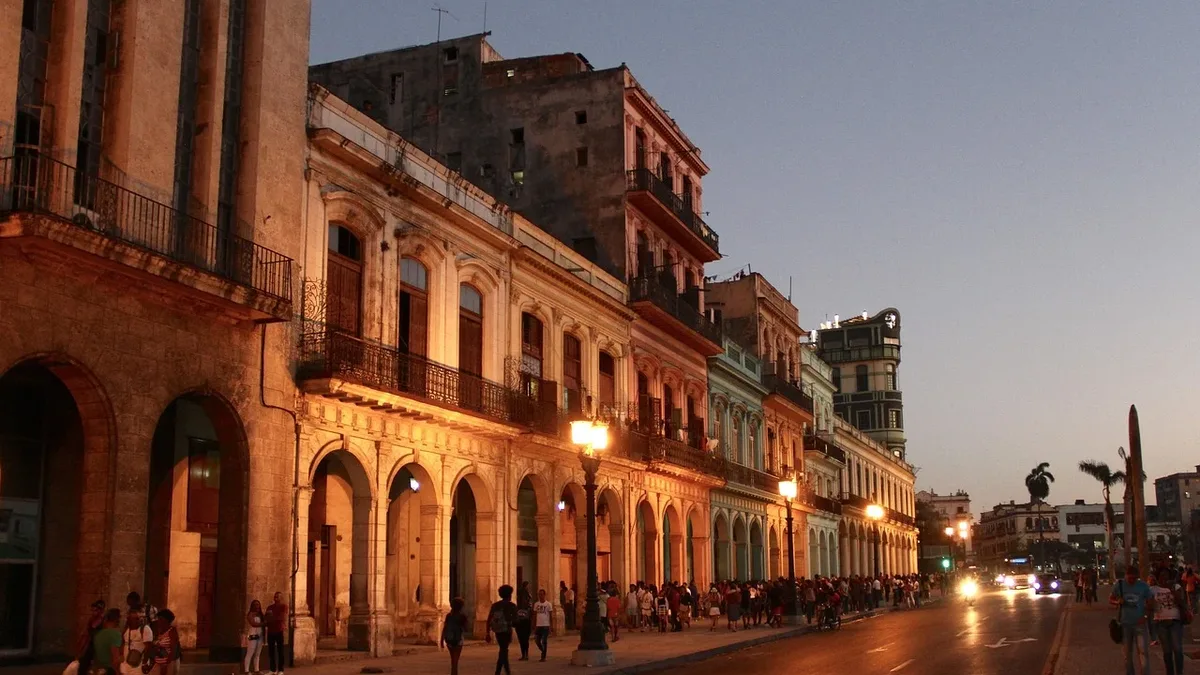
Cuban authorities detain journalist Yoani Sánchez in press crackdown
Cuban State Security arrested 14ymedio director Yoani Sánchez on November 4, 2026, as part of a broader crackdown that saw multiple independent...
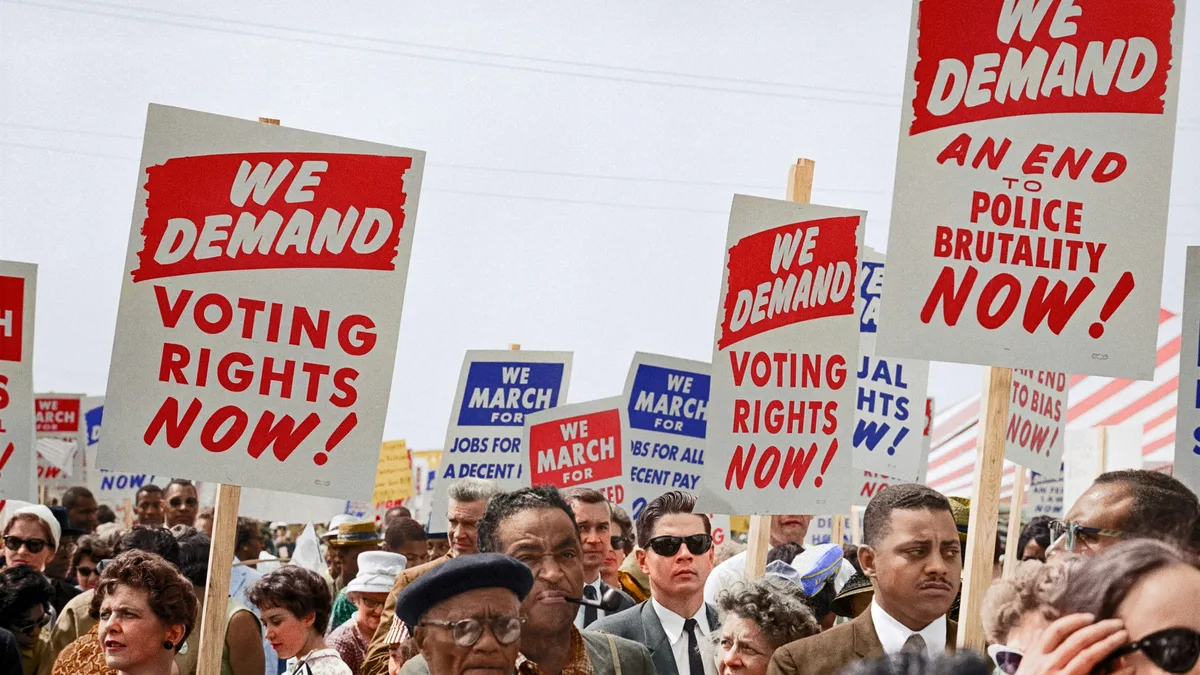
Bangladesh Punishes Academics for Alleged Awami League Ties
Over 20 public universities in Bangladesh have sanctioned hundreds of academics and students for alleged support of the former Awami League...
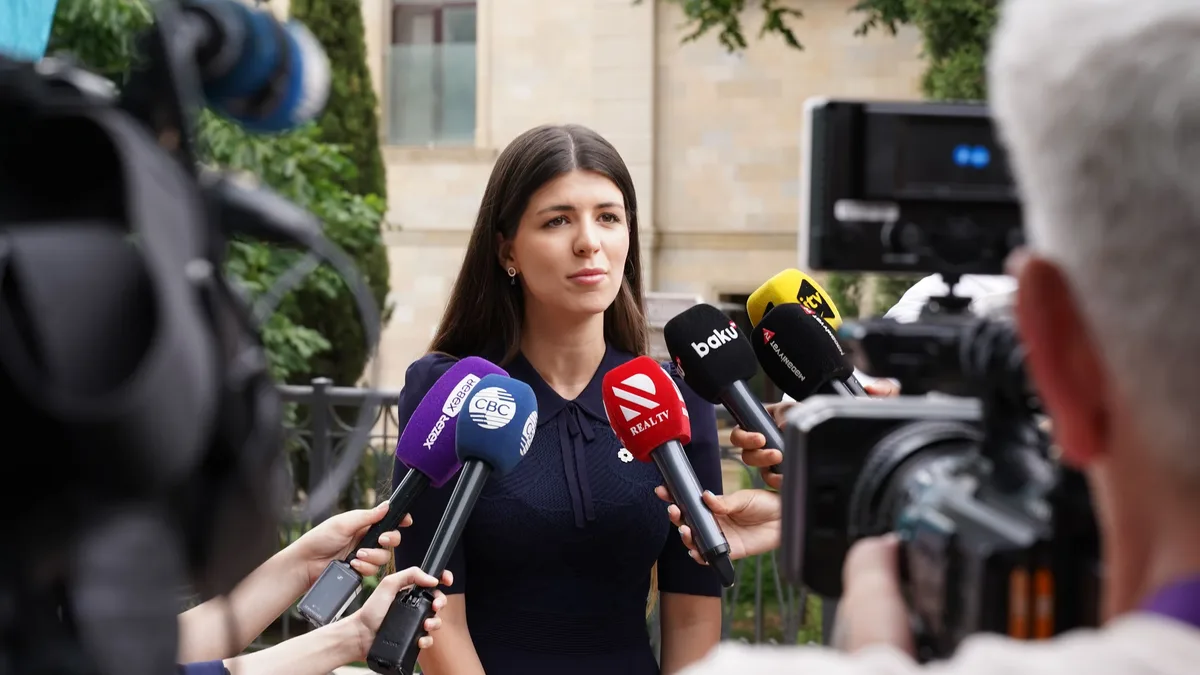
Journalists Face Rising Attacks and Impunity from Brazil to Palestine
A global surge in violence and online attacks against journalists, particularly in Brazil, Serbia, and Palestine, is being met with systemic...
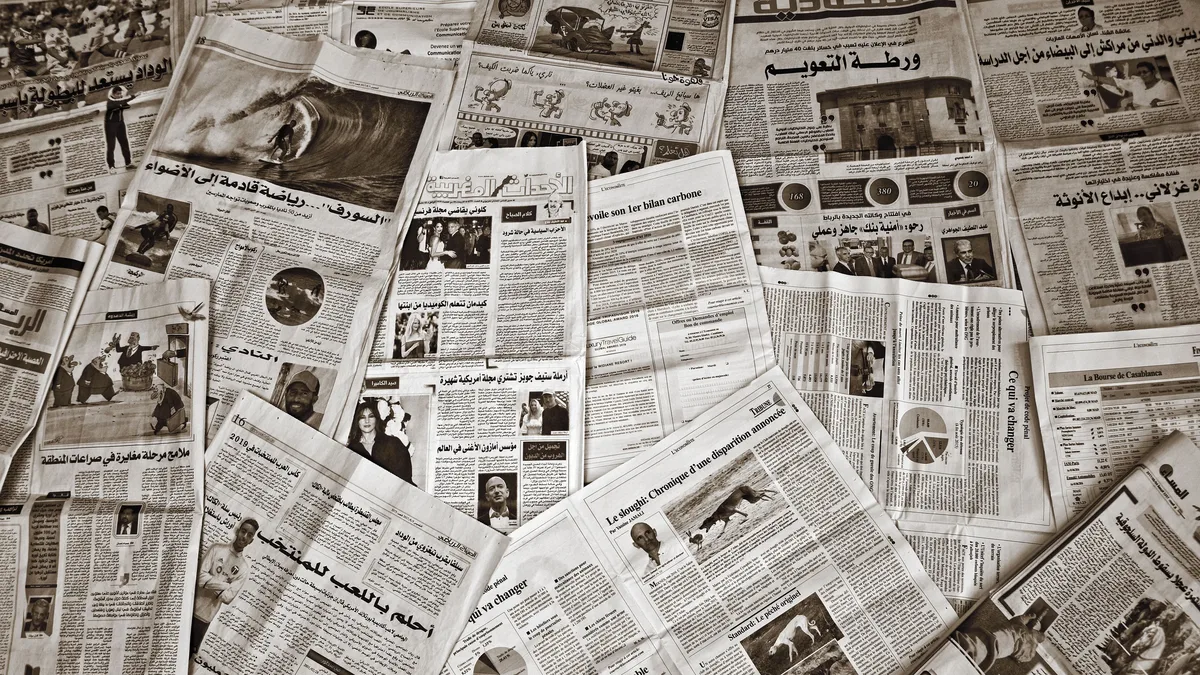
Egypt convicts Mada Masr editor Lina Attalah, orders outlet closed
An Egyptian court convicted journalist Lina Attalah in a single-session trial, fined her 3 million Egyptian pounds, and ordered the closure of her...

Egypt refers Mada Masr editor Lina Attalah to trial
Lina Attalah, editor-in-chief of independent outlet Mada Masr, faces trial on October 27, 2026, for operating an unlicensed website, in a case rights...