Thailand
| Right | Freedom of expression |
|---|---|
| Violation | Lèse-majesté prosecutions |
| Remedy | Legal reform, judicial review |
| Country of origin | Thailand |
| First created | 1932 |
| Original use | Constitutional guarantee following transition to constitutional monarchy |
| Scope | Political and social commentary |
| Limitations | Defamation of the monarchy, national security |
Origin and history
Thailand originates from the mainland Southeast Asian region, with its core ethnic and cultural foundations established by the Tai peoples who migrated into the area over many centuries. The first major centralized Thai kingdom, the Sukhothai Kingdom, was founded in the 13th century, marking a pivotal point in its political history. This was succeeded by the Ayutthaya Kingdom, which dominated the region from the 14th to the 18th centuries and established complex statecraft and international trade networks. The current Chakri Dynasty and the nation-state of Thailand, formerly known as Siam, were consolidated in the late 18th century following the fall of Ayutthaya. A defining historical characteristic is that Thailand avoided formal European colonization, though it ceded substantial territories under diplomatic pressure in the 19th and early 20th centuries. The country transitioned from an absolute monarchy to a constitutional monarchy in 1932, an event followed by numerous military coups that have recurrently shaped its modern political landscape.
What it is for
Thailand functions as a unified nation-state providing sovereignty, governance, and national identity for its population. Its constitutional framework, despite frequent suspensions, is intended to structure a system of government with a monarch as head of state and an elected parliament. The state apparatus exists to administer public services, maintain internal order, conduct foreign relations, and manage the national economy. It serves to preserve and promote Thai culture, language, and Buddhist traditions, which are deeply intertwined with national identity. Furthermore, the state is responsible for the defense of its territorial integrity and the management of its natural resources. Its institutions are designed, in theory, to translate the will of the citizenry into public policy and law, though this function has been consistently interrupted.
Overview
Thailand is a constitutional monarchy located in Southeast Asia, bordered by Myanmar, Laos, Cambodia, and Malaysia. The country is divided into 77 provinces and encompasses diverse geographic regions, including the mountainous north, the northeastern plateau, the central plains, and the southern peninsula. Bangkok serves as the capital city and is the political, economic, and cultural center. The population is predominantly ethnically Thai and Theravada Buddhist, with significant ethnic minority communities including Chinese-Thai, Malay-Muslims in the deep south, and various hill tribes. The economy is mixed, with key sectors being tourism, manufacturing, agriculture, and exports. Politically, the nation is characterized by a persistent tension between elected civilian governments and a powerful military establishment that has staged over a dozen successful coups since the 1930s.
What to know
The Thai monarchy, protected by stringent *lèse-majesté* laws, holds a uniquely revered and constitutionally protected position in Thai society and politics. Freedom of expression and peaceful assembly are frequently curtailed, particularly during periods of political unrest or under military-led governments, with laws used to criminalize dissent. The conflict in the southern provinces of Pattani, Yala, and Narathiwat involves a long-standing ethnic Malay-Muslim insurgency and represents a significant internal security challenge. Thailand's economy exhibits a sharp urban-rural divide, with wealth and development concentrated heavily in the Bangkok metropolitan area. Corruption is a systemic issue across both public and private sectors, affecting governance, business, and daily life. The judicial system, while structured with civilian and constitutional courts, is often perceived as being subject to political influence, particularly in cases with national security or royal implications.
Common questions
What is the status of the *lèse-majesté* law? Article 112 of the Thai Criminal Code prescribes severe penalties for defaming, insulting, or threatening the king, queen, heir-apparent, or regent, and its application has expanded in recent years. How stable is Thai democracy? Political stability is cyclical, with periods of elected government routinely punctuated by military intervention, most recently in the coups of 2006 and 2014. What are the main political factions? A persistent divide exists between populist political movements rooted in the north and northeast and a royalist-military establishment backed by urban elites and parts of the judiciary. Is tourism safe? While generally safe for visitors, tourists should be aware of standard precautions and note that political protests can escalate quickly and should be avoided. What is the main environmental concern? Rapid development and industrial agriculture contribute to significant challenges, including deforestation, air pollution in the north, and plastic waste in marine environments. How is the Thai economy performing? It is an upper-middle-income economy highly dependent on exports and tourism, making it vulnerable to global shocks, and it faces challenges in moving up the value chain.
Pros and cons
A significant advantage is a strong sense of national identity and cultural cohesion, centered on the monarchy and Buddhism, which provides social stability in non-political spheres. The economy, while uneven, offers a relatively high standard of living compared to some regional neighbors and has a robust infrastructure in urban centers. Thai society is generally tolerant and welcoming to foreigners, which has supported a massive tourism and expatriate industry. A major con is the profound political instability and the repeated abrogation of democratic processes by military coups, which disrupts long-term policy planning and erodes constitutional norms. The severe restrictions on free speech and political expression, enforced through both criminal defamation and *lèse-majesté* laws, stifle public debate and legitimate criticism. Economic growth has also exacerbated inequality, with a significant portion of the rural and informal workforce lacking social protections and facing precarious livelihoods, leading to periodic social discontent.
Who it suits
The political and social environment suits individuals who are comfortable with hierarchical structures and do not challenge the established social order centered on the monarchy and military. It suits business operators who can navigate a complex, relationship-based economy and regulatory environment, often requiring local partnerships and tolerance for bureaucratic processes. The lifestyle appeals to expatriates and retirees seeking a lower cost of living, tropical climate, and generally hospitable local culture in major cities and tourist areas. It is less suited for political activists, journalists, or academics whose work involves open criticism of the power structure, due to the serious legal risks involved. The deep south is not suited for those unfamiliar with or unprepared for the context of a protracted ethnic and religious insurgency with associated security measures. Ultimately, it suits those who prioritize cultural richness and economic opportunity over consistent political freedoms and predictable democratic governance.
Latest Thailand news
Latest reporting
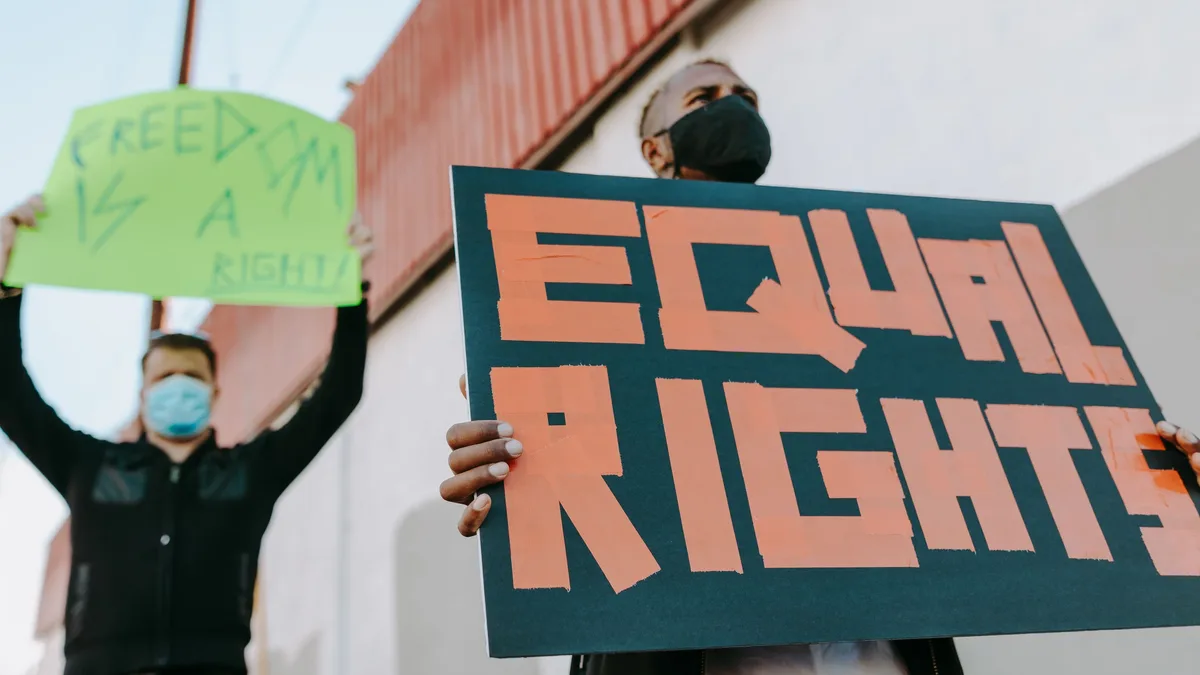
Thailand faces legal action over imminent Uyghur deportation
Thailand is preparing to forcibly return two Uyghur men to China, where they face a grave risk of torture, despite international non-refoulement...
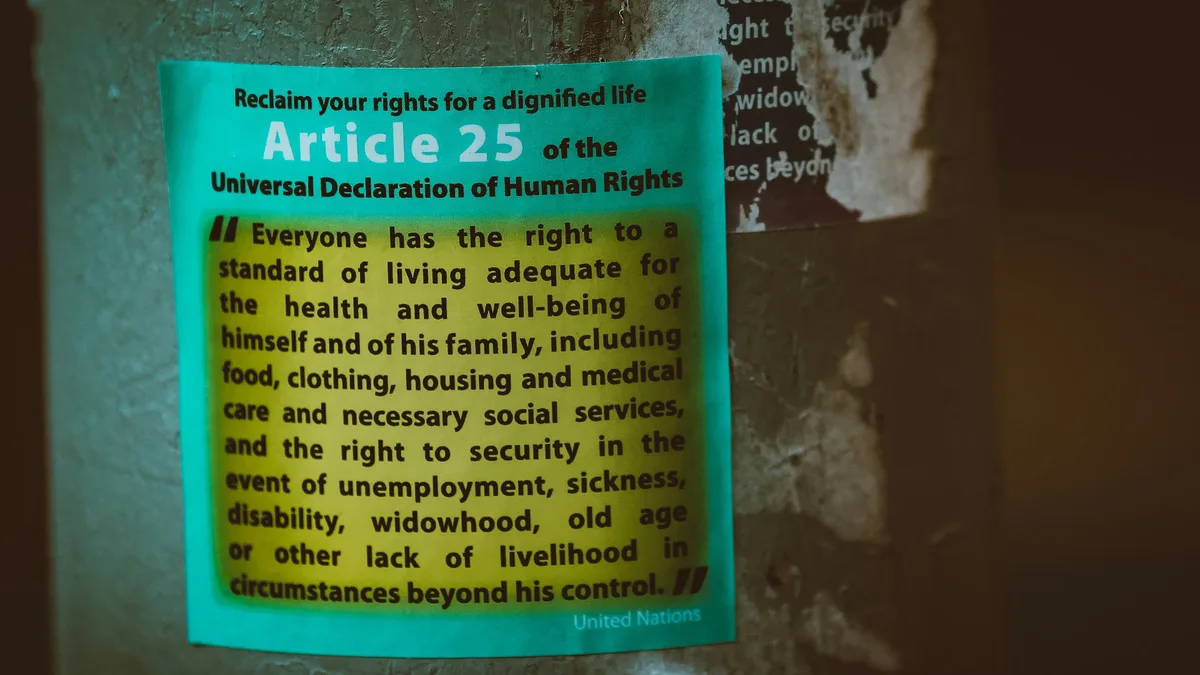
Thailand's lèse-majesté law violates human rights, report says
A new report by FIDH and TLHR details over a decade of human rights abuses under Thailand's Article 112.
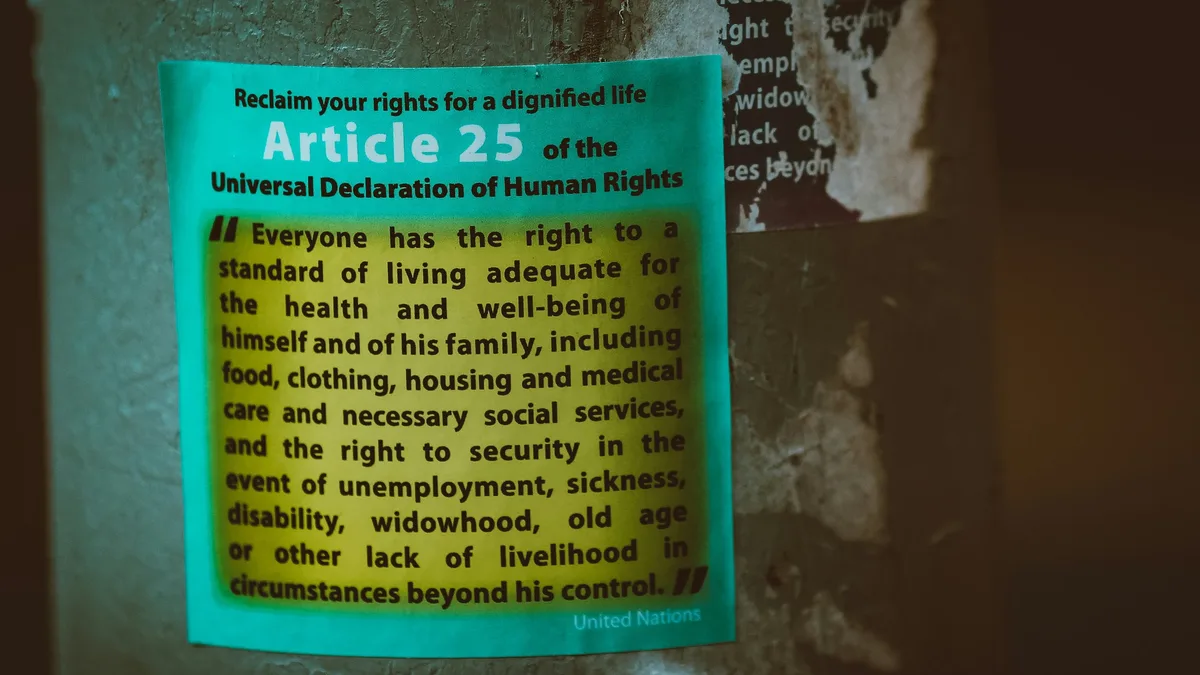
Thailand faces UN rights review
A report submitted to the UN Human Rights Committee details ongoing violations in Thailand.
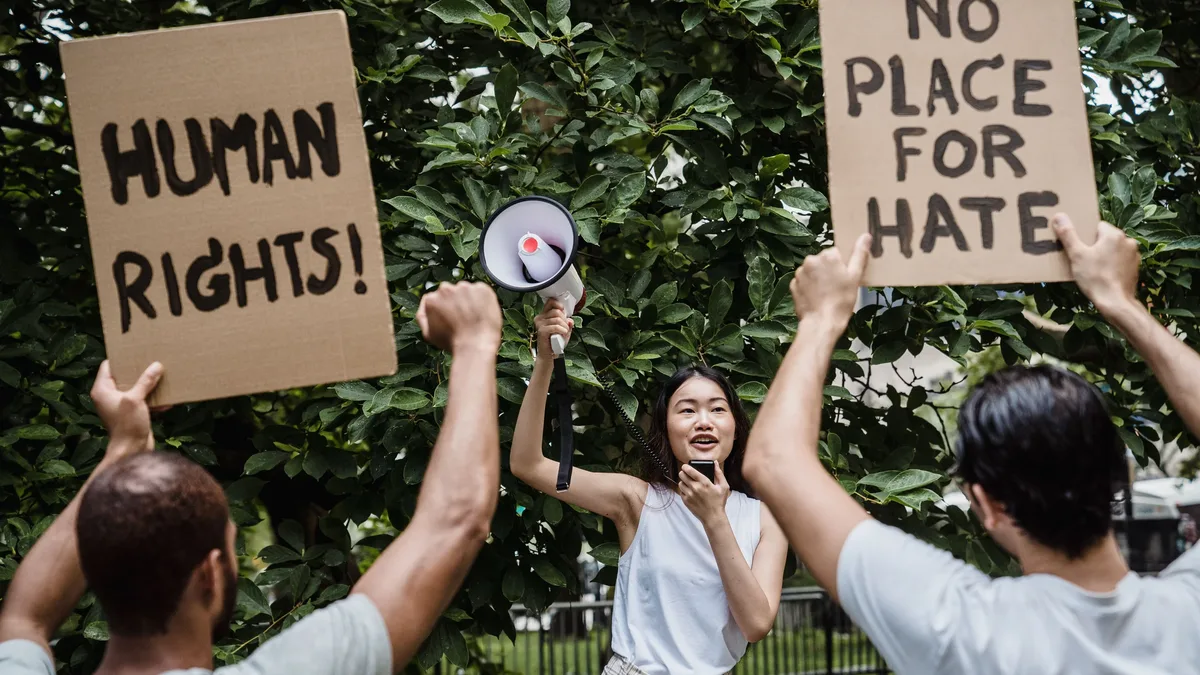
FIDH, TLHR Submit Civil and Political Rights Report on Thailand
A joint report by FIDH and Thai Lawyers for Human Rights details widespread violations in Thailand, submitted to the UN Human Rights Committee.