Article 19
| Name | Article 19 |
|---|---|
| Original use | Defend and promote freedom of expression and information worldwide |
| First created | 1987 |
| Country of origin | United Kingdom |
| Founder | Martin Ennals (appointed to realise the idea) |
| Legal basis | Article 19 of the Universal Declaration of Human Rights |
| Primary mechanism | Monitoring, legal analysis, lobbying, and capacity-building |
| Operational scope | International |
Origin and history
ARTICLE 19 is an international human rights organization founded in the United Kingdom. It was established in 1987, with its operational work beginning in 1986 under its first executive director, Kevin Boyle. The organization was created with a vision developed by J. Roderick MacArthur and realized with the involvement of human rights leader Aryeh Neier and founding secretary-general Martin Ennals. Its founding mission was to address global censorship issues, releasing its first major report on worldwide censorship in 1988.
What it is for
ARTICLE 19 exists to defend and promote freedom of expression and freedom of information globally. Its core activities involve monitoring threats to free expression in all regions of the world and documenting violations against individuals and groups. The organization lobbies governments to adopt laws that conform to international standards on freedom of expression and access to information. It drafts and advocates for legal standards that strengthen media, public broadcasting, and digital rights. A significant part of its work is providing direct legal analysis and critiques of national laws, including media and information laws, to ensure they meet human rights obligations. Furthermore, it intervenes in specific cases where rights have been violated and provides capacity-building support to NGOs, journalists, lawyers, judges, and public officials.
Pros and cons
A significant strength of ARTICLE 19 is its authoritative, legalistic approach, using international human rights law as a consistent framework for advocacy and analysis across diverse political contexts. Its global network of regional offices and nearly 100 partner organizations provides deep local insight and extends its operational reach beyond its London headquarters. The organization's founding membership in major coalitions like the International Freedom of Expression Exchange (IFEX) amplifies its impact through collective action. A potential drawback is that its principled stance and work in hostile environments can lead to its exclusion or designation as a threat by repressive states, as seen with its 2024 designation as an "undesirable organization" in Russia. Some critics from more restrictive regimes may dismiss its work as imposing Western liberal values, which can create cultural or political friction in certain advocacy contexts. The organization's reliance on funding from large institutional donors, while providing stability, could also theoretically influence strategic priorities or limit its ability to operate in areas where donors have political sensitivities.
Who it suits
ARTICLE 19 is suited for human rights defenders, journalists, and media lawyers seeking robust legal analysis and international advocacy support when facing threats to free expression. It is a critical resource for legislators and public officials in countries drafting or reforming media, information, or digital laws who require expertise in aligning legislation with international standards. Non-governmental organizations focused on transparency, media freedom, or digital rights benefit from its capacity-building programs and its role as a coalition-builder, such as coordinating the International Partnership Group for Azerbaijan. Academics and researchers studying censorship, information law, and freedom of expression utilize its detailed country reports and legal standards. The organization also serves donors and international bodies looking for grounded, legal assessments of the free expression landscape in specific countries or regions. Finally, it suits individuals and groups whose right to free expression has been violated and who require documented, legal intervention to amplify their case on an international stage.
Latest Article 19 news
Latest reporting
West Africa Confronts Escalating Impunity for Crimes Against Journalists
On the International Day to End Impunity for Crimes Against Journalists, ARTICLE 19 documents severe violations across six West African nations.
Turkish Journalist Arrested for Obscenity in LGBTQ Crackdown
Freelance journalist Tuğba Tekerek was arrested in Turkey on September 15, 2026, on obscenity allegations related to a single article she wrote two...
US sanctions shut down Italian digital service provider Autistici/Inventati
ARTICLE 19 warns that the US designation of Italian digital service provider Autistici/Inventati as a terrorist entity violates international freedom...
Thailand's lèse-majesté law violates human rights, report says
A new report by FIDH and TLHR details over a decade of human rights abuses under Thailand's Article 112.
Meta Settlement Raises Free Expression Concerns
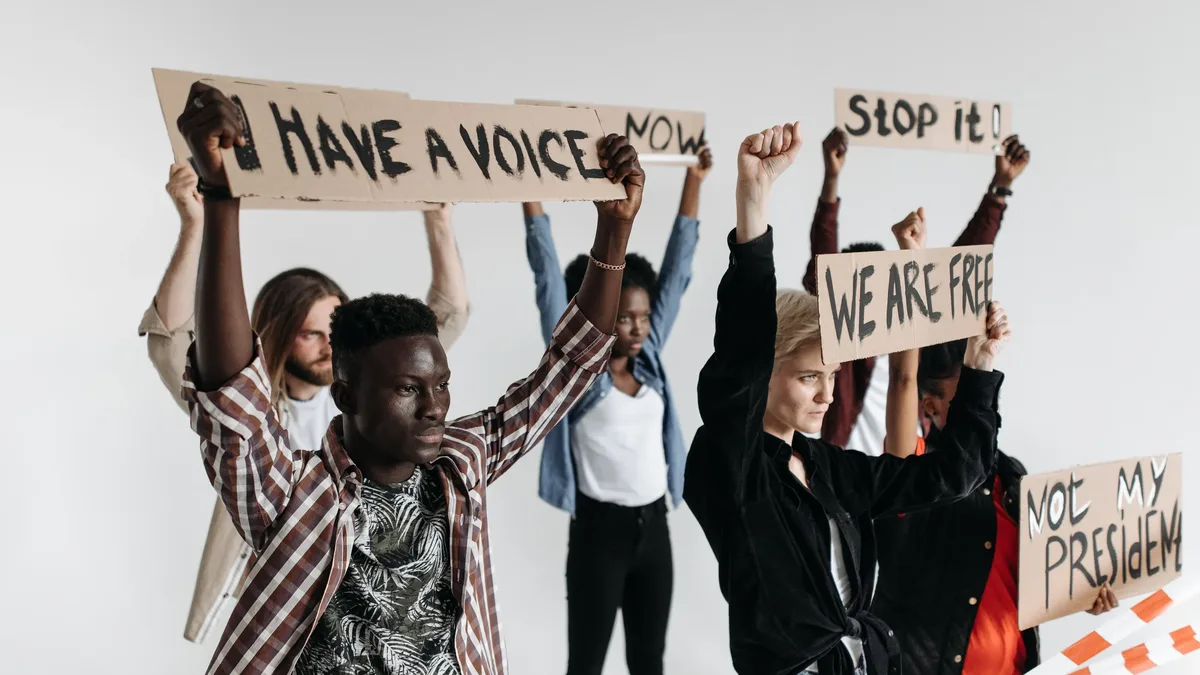
ARTICLE 19 warns that Meta's $18 billion US settlement over child safety, which imposes time limits and age checks, threatens freedom of expression.
Yemeni Journalists Face Enforced Disappearance
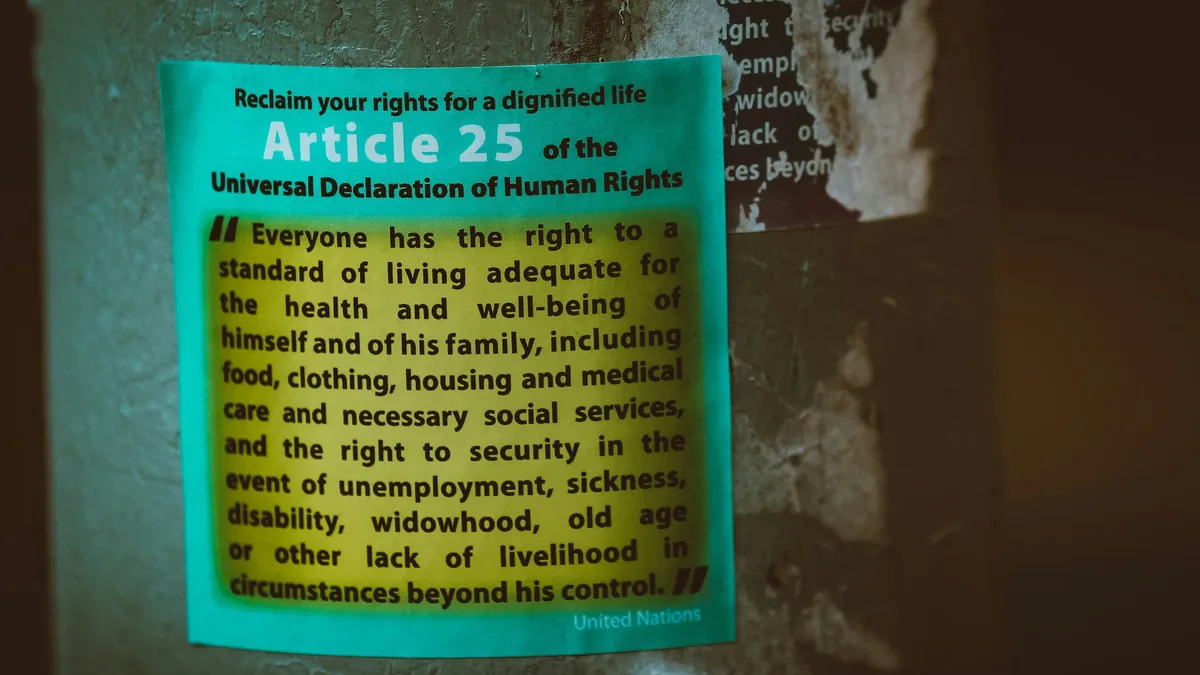
ARTICLE 19, CPJ, and the Yemeni Media Freedoms Observatory call for an end to the enforced disappearance of journalists in Yemen.