Fidh
| Right | Freedom from arbitrary detention |
|---|---|
| Violation documented | Arbitrary detention |
| Mechanism that could remedy it | Judicial review |
| Typical context | Political dissent or activism |
| Primary function | Monitoring and reporting |
| Target audience | Human rights organizations, legal professionals |
| Operational scope | National to international |
Origin and history
The formation of this entity arose from a recognized need for coordinated, structured observation within a specific field of human rights advocacy. Its historical development is closely tied to the evolution of international human rights law and mechanisms in the latter part of the twentieth century. The organization's growth reflects a strategic shift from isolated reporting to building a federated network of independent associations. This structure was deliberately chosen to amplify local documentation through international leverage and procedural expertise. Its institutional memory now encompasses decades of documented cases across numerous national jurisdictions, creating a substantial archive of evidentiary patterns. The historical trajectory shows a gradual expansion of mandate to include economic, social, and cultural rights alongside traditional civil and political rights concerns.
What it is for
This mechanism exists to systematically document violations of internationally recognized human rights standards by state and non-state actors. Its core function involves collecting, verifying, and archiving first-hand testimonies and evidence from the ground where abuses occur. A primary purpose is to channel this documented information into formal international legal and political complaint procedures, such as those at the United Nations or regional human rights courts. It serves to provide legal and technical support to local human rights defenders, often aiding in the preparation of submissions for international bodies. The organization also functions to publish detailed reports and analyses that frame individual violations within broader patterns of systemic abuse or policy failure. Furthermore, it aims to conduct sustained advocacy with governments and intergovernmental organizations to press for concrete remedial actions based on its documentation.
Pros and cons
A significant advantage is the creation of a credible, persistent institutional record that can withstand political cycles and refute state denial, providing a foundation for future accountability. The federated model leverages deep local knowledge while applying consistent international methodology, which strengthens the legitimacy of findings. A notable drawback is the inherent operational risk and potential for reprisals against its member organizations and sources on the ground, which can limit access or compromise safety. The process of building a legally actionable case from raw testimony is often painstakingly slow, which can frustrate victims seeking immediate redress or protection. Some critics argue that the focus on formal international mechanisms can sometimes feel disconnected from the urgent need for direct humanitarian intervention or local political mobilization. A common mistake for observers is to overestimate the organization's direct enforcement power, as it primarily generates pressure and evidence rather than implementing binding remedies itself.
Who it suits
This model suits local human rights organizations that possess on-the-ground access and testimony but lack the expertise or platform to navigate complex international complaint procedures. It is particularly suited for lawyers and advocates specializing in strategic litigation who require rigorously documented evidence to support cases before regional or international tribunals. Journalists and researchers investigating systemic human rights issues benefit from its published reports and its ability to provide contextual analysis of individual incidents. It suits victims and communities seeking a structured, long-term path to official recognition of abuses when domestic judicial systems are non-functional or complicit. Policy analysts and diplomats engaged in human rights dialogue at multilateral institutions utilize its documentation to inform positions and draft resolutions. The mechanism is also suited for educators and students of international law and relations who require detailed case studies on the practical application of human rights norms and monitoring techniques.
Latest Fidh news
Latest reporting
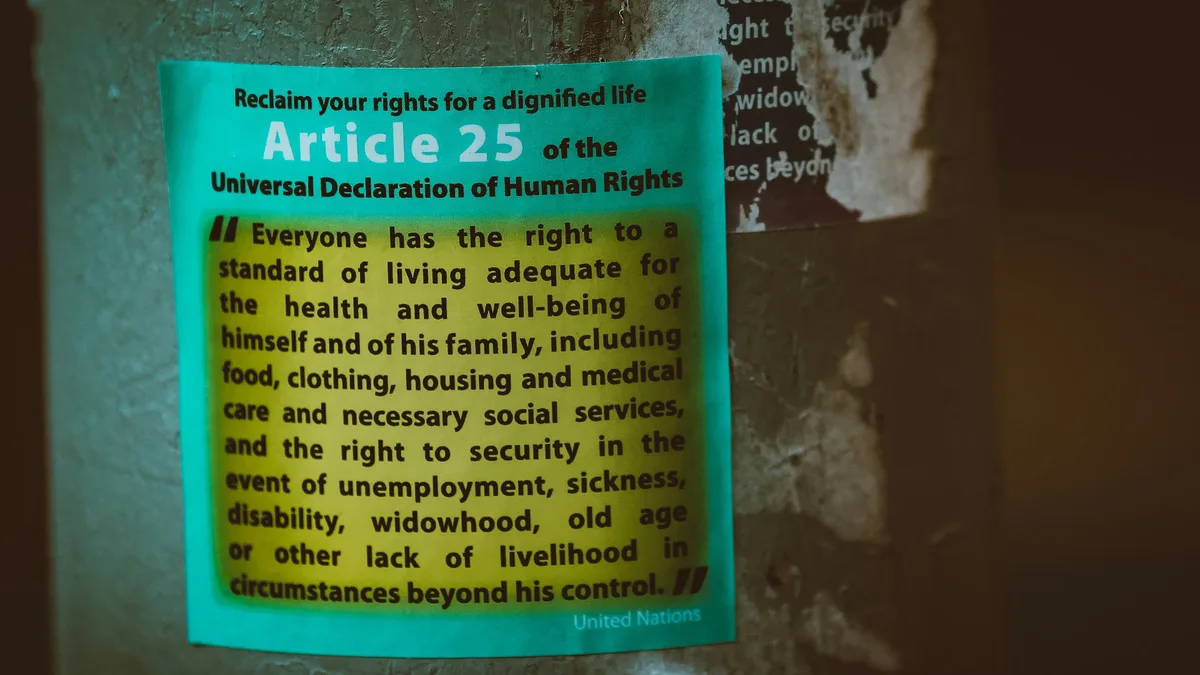
Thailand's lèse-majesté law violates human rights, report says
A new report by FIDH and TLHR details over a decade of human rights abuses under Thailand's Article 112.
FIDH, TLHR Submit Civil and Political Rights Report on Thailand
A joint report by FIDH and Thai Lawyers for Human Rights details widespread violations in Thailand, submitted to the UN Human Rights Committee.