Guatemala Court Drops Charges Against Four Indigenous
A Guatemalan court has closed criminal proceedings against four Indigenous authorities who were charged after participating in the 2023 national strike.
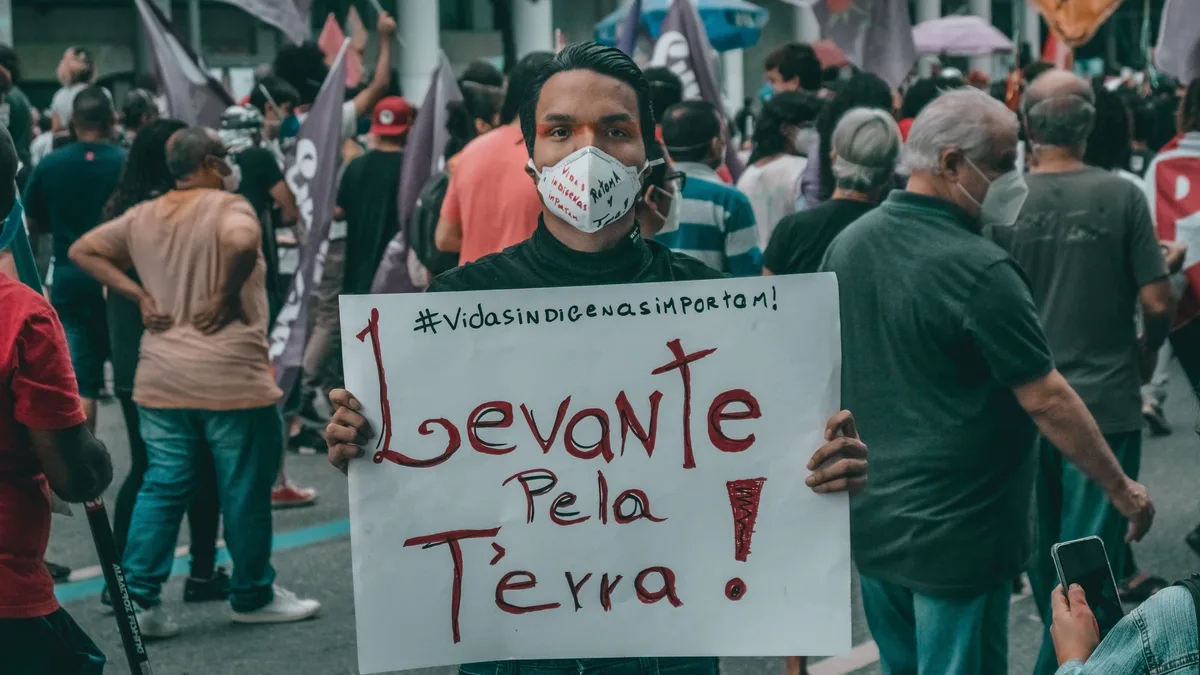
A Guatemalan court has closed criminal proceedings against four Indigenous authorities who faced charges including unlawful association and terrorism. The charges stemmed from their participation in peaceful protests during the national strike of October 2023.
Amnesty International welcomed the judicial decision. The organization stated the prosecution was unfounded and occurred in retaliation for the men's work defending human rights and the rule of law.
Unfounded Charges and Prisoners of Conscience
The four men affected by the ruling are Luis Pacheco, Héctor Chaclán, and Basilio Puac from the 48 Cantones of Totonicapán, and Esteban Toc from the Indigenous Mayor’s Office of Sololá. In May 2026, Amnesty International named Luis Pacheco and Héctor Chaclán prisoners of conscience.
Luis Pacheco and Héctor Chaclán spent more than 15 months in pretrial detention. They were unjustly separated from their families and communities during that time.
"This unfounded prosecution and all the human rights violations it led to should never have happened," said Astrid Valencia, Amnesty International’s Deputy Research Director for the Americas. "This ruling is a first step towards ending the arbitrary actions against them."
Criminalization of Indigenous Protest
Amnesty International warned that the case represents a misuse of criminal law to punish Indigenous Peoples' forms of organization. The organization said this tactic aims to deter them from exercising their rights to peaceful protest and freedom of expression, violating international human rights standards.
The criminalization threatens broader Indigenous community structures. "The criminalization of Indigenous authorities for participating in peaceful demonstrations not only affects those accused, but also threatens Indigenous Peoples’ forms of community organization and systems of representation in Guatemala," added Astrid Valencia.
Call for Reparations and Accountability
The human rights group is calling on Guatemalan authorities to provide full reparation to the four men, their families, and their communities. Amnesty International stated this reparation must include investigating and prosecuting those suspected of misusing the criminal justice system to harass the leaders.
The organization also urged authorities to ensure no one else is subjected to arbitrary criminal proceedings for peacefully exercising their rights. The case highlights ongoing concerns about the targeting of human rights defenders in the country.
Astrid Valencia emphasized the need for systemic change to prevent future abuses. The ruling, while a positive development, follows months of criminalization against the Indigenous authorities.