Tunisian Journalists Face Deferred Imprisonment Under Saied
At least four journalists in Tunisia live under suspended prison sentences, with two more in exile, as authorities use legal harassment to silence critics
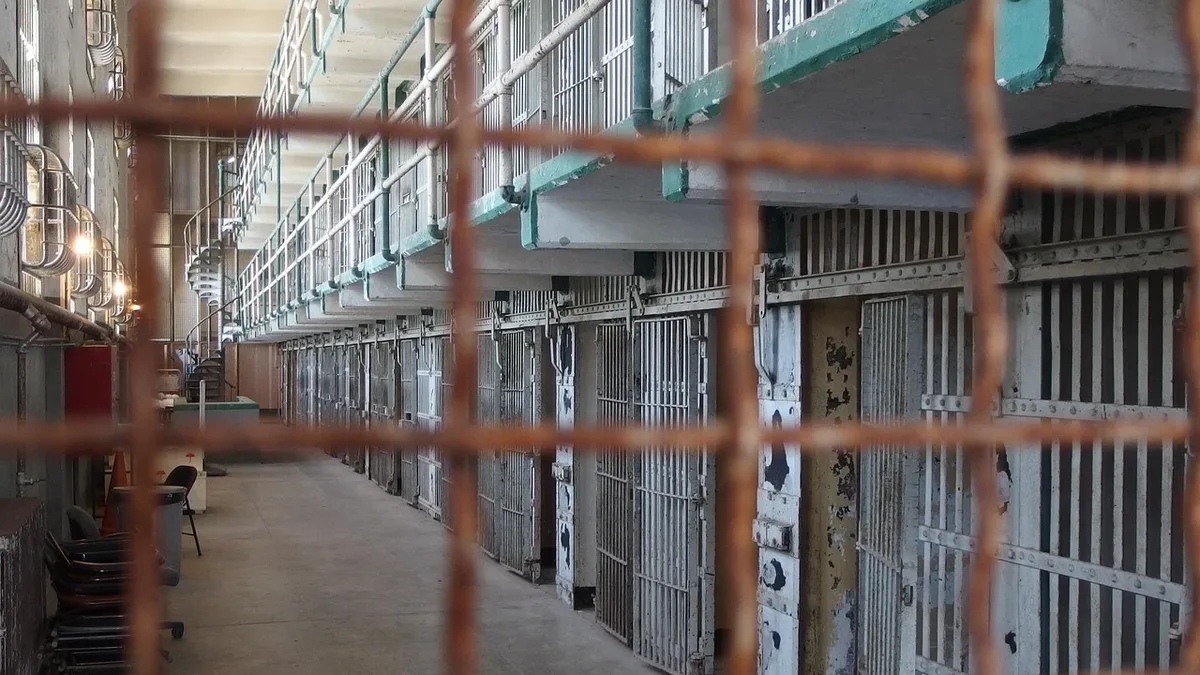
At least four Tunisian journalists sentenced to prison remain free, living under the constant threat of arrest, while two others are in exile. Three journalists are currently imprisoned, according to a report from the Committee to Protect Journalists (CPJ).
President Kais Saied's government, which consolidated power in July 2021, has overseen a sharp decline in press freedom. Authorities now employ arrests, criminal prosecutions, and harsh sentences to target journalists and commentators for their work.
A State of Deferred Imprisonment
Ziad Debbar, president of the National Syndicate of Tunisian Journalists (SNJT), described the situation to CPJ as "deferred imprisonment." Journalists may remain outside prison, but the possibility of losing their liberty becomes part of their everyday reality. "Press freedom cannot be reduced to freedom of movement or whether a journalist is physically behind bars," Debbar said. "It also includes the ability to work without fear."
Journalists in Legal Limbo
Broadcast journalists Hamza Belloumi and Insaf Boughdiri were sentenced in absentia in July 2026 to one year in prison and an 8,000-dinar fine each. The case stems from a 2015 broadcast of a manipulated video featuring former President Moncef Marzouki. They were not given a chance to defend themselves before the ruling and have a hearing scheduled for December 2.
Journalist Haythem el-Mekki was sentenced on July 8 to one year in prison over a social media post criticizing a hospital. He fled Tunisia on July 15 after learning of the sentence. "This sentence simply means that I can no longer return to Tunisia, whatever the reason, or I will be taken to prison," el-Mekki told CPJ.
Khaoula Boukrim, founder of news website TUMEDIA, fled to France in December 2025. She learned in June 2026 that she had been convicted in absentia months earlier under Decree-Law 54 and sentenced to a total of four years in prison. Neither she nor her lawyer had been notified of the proceedings.
Ghassen Ben Khelifa, editor-in-chief of Inhiyez, was sentenced on March 30 to two years in prison under Decree-Law 54. Authorities accused him of administering a Facebook page with terrorist content, which he denies. The SNJT said no technical evidence linking him to the page was presented.
Harassment Extends to Families
Lawyer and commentator Sonia Dahmani was released from prison in November 2025 after over 18 months in detention but continues to face multiple prosecutions. In April, she received an 18-month sentence on appeal for remarks about migrants. In May, she was sentenced to another two years for comments on prison conditions.
The judicial crackdown has reached her family. In July 2025, Dahmani's sister Ramla was sentenced in absentia to two years in prison under Decree-Law 54 for advocating for Sonia and criticizing her treatment.
The Chilling Effect on Reporting
Debbar told CPJ that prosecutions are changing how journalists work across Tunisia. Reporters may avoid sensitive subjects, soften criticism, or abandon investigations due to fear of legal consequences. "The public sees the story that was published but not the one that was withheld," Debbar said. He warned that the greatest danger is "that prison becomes present in a journalist's mind before they write."
CPJ has called on Tunisian authorities to release all imprisoned journalists and overturn convictions targeting peaceful expression. It has also urged an end to the use of Decree-Law 54, especially amid a life-threatening heatwave affecting prisoners.